Picture this: you’re in a cramped kitchen, the oven timer is ticking, and the air is thick with the scent of garlic and basil. I was trying to rescue a soggy batch of eggplant that had turned into a mushy disappointment, and that moment of culinary panic sparked a revelation. I realized that the secret to a truly irresistible eggplant parm is not just in the ingredients, but in the way you treat each component. I dared myself to flip the classic recipe, adding a crispy coating, a luscious tomato base, and a cheese blend that melts like a dream.
I’m not going to sugarcoat it: I’ve tried countless eggplant parm versions, from the bland to the downright overcooked. Most of them left my taste buds feeling flat and my family asking for the next dish. The version I’m about to share is hands down the best you’ll ever make at home, and it’s so good that I’ll be honest— I ate half the batch before anyone else got to try it. The texture is a triumph: the eggplant is tender inside, yet the coating is a crisp, golden edge that shatters like thin ice when you bite into it. The sauce drapes the slices like velvet, and the cheese mixture melts into a gooey, aromatic cloud that pulls you in with every forkful.
I’ll walk you through every single step, from the first slice of eggplant to the final sprinkle of basil, so you can master this dish and impress everyone at the table. I dare you to taste this and not go back for seconds; the combination of flavors will keep you coming back for more. And if you’ve ever struggled with eggplant parm, you’re not alone— I’ve got the fix that turns a mediocre dish into a showstopper. Let’s get started, and trust me, by the end you’ll wonder how you ever made it any other way.
What Makes This Version Stand Out
- Crunch Factor: The eggplant is coated in a light, airy breadcrumb shell that crisps to a golden perfection, providing a satisfying contrast to the soft interior.
- Flavor Depth: A tomato sauce simmered with garlic, basil, and a splash of olive oil coats each slice, delivering a rich, savory profile that lingers on the palate.
- Cheese Harmony: The blend of mozzarella and parmesan creates a creamy, tangy melt that balances the acidity of the tomatoes and the earthiness of the eggplant.
- Time Efficiency: With a prep time of just 15 minutes and a cook time of 30, this dish fits perfectly into a busy weeknight or a relaxed weekend dinner.
- Make‑Ahead Friendly: Assemble the layers and refrigerate; the dish will bake just as beautifully the next day, making it ideal for meal prep.
- Kid‑Approved: The crispy texture and cheesy layers are a hit with even the pickiest eaters, turning dinner time into a fun family affair.
Alright, let's break down exactly what goes into this masterpiece. I’ll show you how each component contributes to the final experience.
Inside the Ingredient List
The Flavor Base
The tomato sauce is the heart of this dish. Simmering fresh tomatoes with minced garlic, a pinch of salt, and a handful of basil turns simple tomatoes into a silky, aromatic sauce. If you skip the garlic, the sauce loses its punch and feels flat. A good tip: use a high-quality canned San Marzano tomato for that authentic Italian depth.
The Texture Crew
Bread crumbs, flour, and eggs form the crispy coating that gives eggplant parm its signature crunch. The flour lightens the batter, while the eggs bind everything together. Skipping the flour will result in a soggy coating that clings to the pan. For an extra crunch, toast the breadcrumbs with a splash of olive oil before dredging the eggplant.
The Unexpected Star
Fresh basil and a splash of olive oil elevate the dish beyond a standard casserole. Basil adds a bright, herbal note that cuts through the richness, and olive oil enhances the coating’s crispness. If you’re out of basil, try dried oregano, but the flavor will shift slightly. The basil should be added at the very end to preserve its aroma.
The Final Flourish
Mozzarella and parmesan create a molten, cheesy blanket that binds the layers together. Mozzarella provides gooeyness, while parmesan adds a nutty, salty finish. Skipping parmesan will make the dish feel less complex. For a dairy-free twist, substitute a plant-based cheese that melts well.
Everything's prepped? Good. Let's get into the real action and start building that masterpiece.
The Method — Step by Step
- Prep the Eggplant: Slice the eggplants into 1/2‑inch thick rounds, rotating 45 degrees for a better surface area. Sprinkle each side lightly with salt and let them rest for 20 minutes to draw out excess moisture. Pat dry with paper towels; this step prevents a soggy coating. I’ve seen people skip this and end up with a watery mess—don’t let that happen.
- Make the Coating: In a shallow dish, combine flour, breadcrumbs, and a pinch of salt. In a second dish, whisk the eggs until they’re frothy. Dip each eggplant slice first in the flour, shaking off excess, then in the eggs, and finally in the breadcrumb mixture. The triple coating ensures a crisp, golden crust. If the coating sticks, let the slices rest for a minute before baking.
- Preheat & Oil the Pan: Heat a large oven‑safe skillet over medium‑high heat. Add a generous splash of olive oil—just enough to coat the bottom. Once the oil shimmers, place the coated slices in a single layer. The sizzling sound you hear when the first slice hits the pan is a sign that the oil is hot enough.
- Browning the Eggplant: Fry the slices for about 2–3 minutes on each side until they’re golden. Flip carefully with a spatula to avoid breaking the coating. The edges should pull away from the pan, indicating a good crisp. Don’t crowd the pan; if necessary, work in batches.
- Layer the Sauce: Spread a thin layer of tomato sauce over the bottom of the skillet. Arrange the fried eggplant slices on top, overlapping slightly. Spoon more sauce over each slice, ensuring every bite is drenched. This step is the moment of truth—watch how the sauce glistens.
- Watch Out: Temperature Control: If the skillet is too hot, the coating will burn before the eggplant cooks. Keep the heat at medium and adjust if you see black spots forming.
- Add the Cheese: Sprinkle mozzarella and parmesan evenly over the sauce. The cheese should cover the sauce but leave a thin line of sauce exposed for that classic look. This step will create the gooey, cheesy blanket that melts into a golden crust.
- Final Bake: Transfer the skillet to a preheated oven at 375°F (190°C). Bake for 20–25 minutes until the cheese is bubbling and the edges are crisp. The aroma that fills the kitchen will have you dreaming of Italian trattorias.
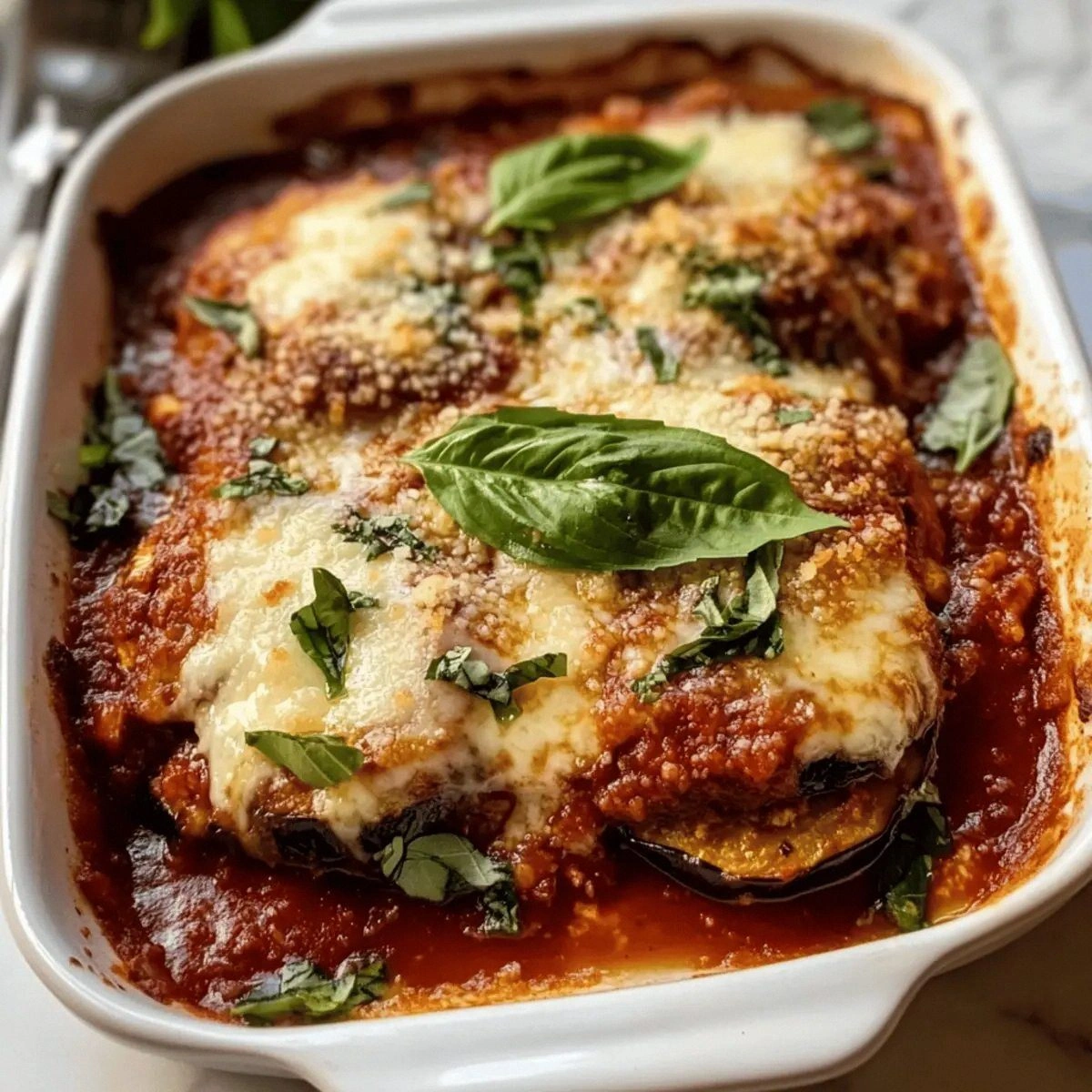
- Finish with Basil: Remove from the oven and scatter fresh basil leaves over the top. Let the dish rest for 5 minutes; this allows the flavors to settle and the cheese to set slightly. Serve hot, and watch the eyes light up when you see the golden, bubbling surface.
That's it—you did it! But hold on, I've got a few more tricks that'll take this to another level. Stick around for insider tips and creative twists that will keep the dish fresh every time you serve it.
Insider Tricks for Flawless Results
The Temperature Rule Nobody Follows
Many cooks think the hotter the pan, the better the crust. In reality, a moderate heat of medium ensures even browning and prevents the coating from burning while the eggplant cooks through. I once tried a high flame and ended up with a charred exterior and a raw interior—an experience that taught me to trust the heat meter.
Why Your Nose Knows Best
Before you even taste the dish, your nose will tell you if something is off. A slight burnt smell or a watery scent indicates you need to adjust the oil or the cooking time. Trust your senses; they’re your best quality control tool.
The 5‑Minute Rest That Changes Everything
Letting the dish rest for five minutes after baking allows the cheese to set, making it easier to cut and preventing a runny mess. It also lets the flavors meld, creating a more cohesive taste. I’ve seen people rush out of the kitchen, only to find the cheese sliding off—avoid that with a quick rest.
Use Fresh vs. Frozen Eggplant
Fresh eggplant gives a better texture, but if you’re in a pinch, frozen can work. Just thaw, pat dry, and proceed as usual. The key is to avoid excess moisture, which can sabotage the crisp coating.
Cheese Ratios Matter
The 50/50 blend of mozzarella and parmesan is the sweet spot. Too much mozzarella makes it greasy, while too much parmesan can overpower the tomato sauce. If you’re a cheese lover, feel free to tweak the ratio, but keep the balance in mind.
Creative Twists and Variations
This recipe is a playground. Here are some of my favorite ways to switch things up:
Smoky Chipotle Twist
Add a tablespoon of chipotle in adobo to the tomato sauce for a smoky kick that pairs beautifully with the eggplant’s earthiness. The heat will balance the richness, making it perfect for a winter dinner.
Herb‑Infused Parmesan
Mix dried rosemary, thyme, and oregano into the parmesan before sprinkling. The herbal undertones elevate the dish into a sophisticated, herb‑rich masterpiece.
Spicy Sriracha Layer
Swirl a spoonful of sriracha into the tomato sauce for a fiery finish. This variation works great for those who love a bold, spicy flavor profile.
Cheesy Ricotta Swirl
Drop dollops of ricotta into the sauce before baking. The ricotta adds a creamy texture that contrasts with the crunchy coating, creating a new layer of indulgence.
Greek‑Style Feta Crumble
Replace half of the mozzarella with crumbled feta for a tangy, Mediterranean twist. The feta’s briny flavor pairs well with the tomato sauce’s acidity.
Roasted Garlic Enhancement
Roast 6 cloves of garlic until caramelized, then mash and fold into the sauce. The sweet, mellow garlic flavor will deepen the overall taste profile.
Storing and Bringing It Back to Life
Fridge Storage
Cool the dish completely, then cover tightly with plastic wrap or foil. Store in the refrigerator for up to 3 days. Reheat in a preheated oven at 350°F for 10 minutes to restore the crispness.
Freezer Friendly
Wrap each slice individually in parchment paper, then place the stack in a freezer bag. Freeze for up to 2 months. Thaw overnight in the refrigerator before baking as described above.
Best Reheating Method
Add a splash of water to the bottom of the pan before reheating; this steams the dish and keeps the cheese from drying out. Bake at 375°F for 12–15 minutes until the cheese is bubbling again.