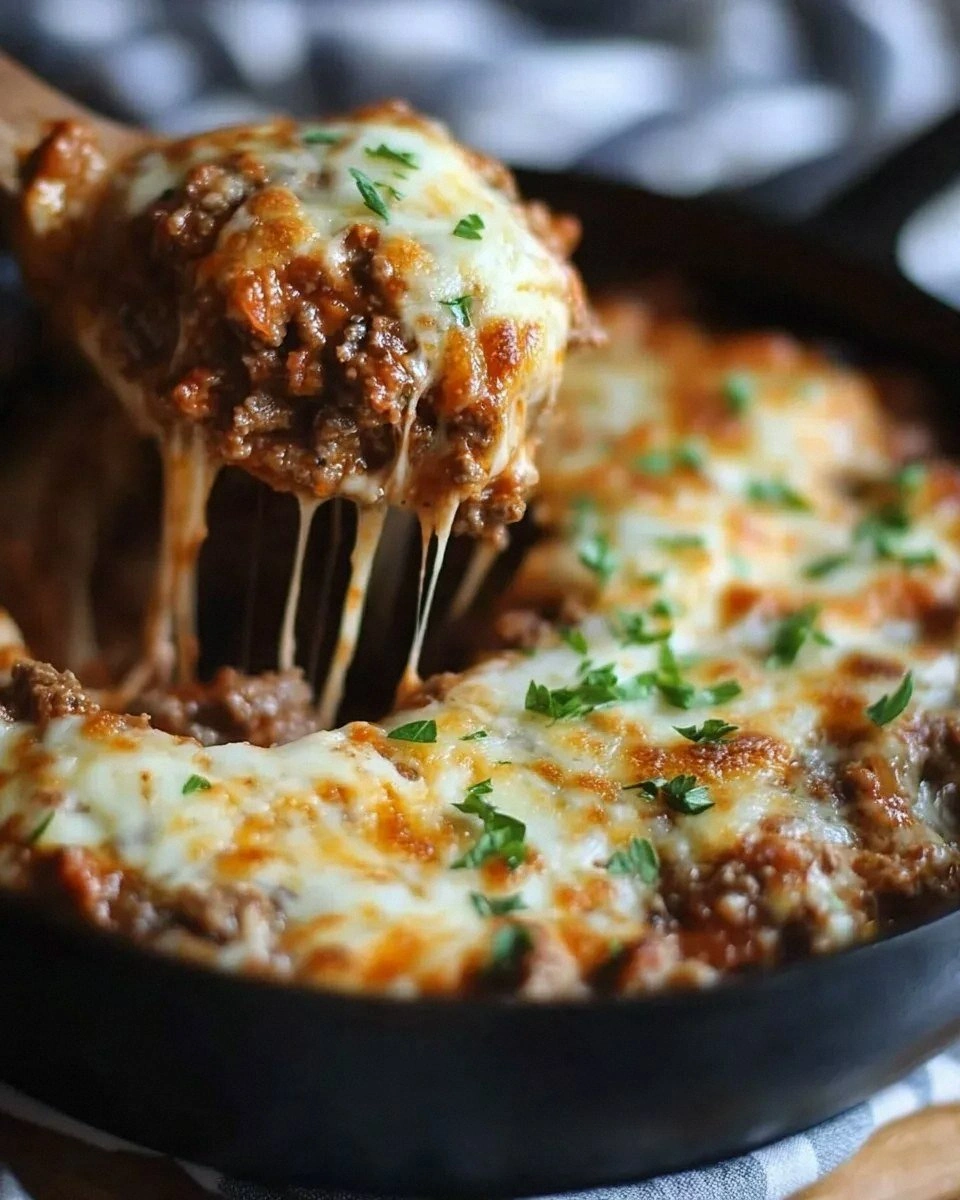
I still remember the night I was halfway through a bland, over‑cooked quesadilla and my kitchen smelled like burnt toast and regret. That was the moment I realized I needed a game‑changer—a Mediterranean‑inspired, cheese‑laden delight that would make me feel like a culinary wizard. I dared myself to create something that would make the ordinary disappear, a dish that would turn a simple tortilla into a canvas of vibrant flavors and textures. I knew the secret ingredient would be more than just cheese; it would be a harmony of fresh veggies, a hint of oregano, and a generous splash of olive oil that would bring everything together. Picture yourself pulling this from the skillet, the kitchen filling with a buttery aroma that makes your heart skip a beat and your taste buds do a little dance.
The first bite is a revelation: the mozzarella melts into a silky, golden ribbon that clings to the tortilla like a warm hug, while the feta adds a briny tang that cuts through the richness. The spinach, sautéed just until wilted, releases a faint earthy perfume that lingers in the air, and the tomato’s juiciness bursts with a sweet acidity that balances the saltiness. The red onion, diced finely, gives a subtle crunch that contrasts the creamy cheeses, and the oregano’s peppery undertone ties the whole thing together with a Mediterranean whisper. It’s not just a quesadilla; it’s a symphony of textures and flavors that play against each other like a well‑orchestrated jazz piece. Every element is deliberate, and every bite feels like a celebration.
I’ve tried countless versions of this dish—some with extra cheese, some with more veggies, some that were just plain too greasy. Most of those attempts ended up in the trash or in a sad, soggy mess on the plate. What sets this version apart is the balance of moisture and crunch, the way the cheese doesn’t overpower the fresh ingredients, and the simple technique that ensures the tortilla stays crisp while the filling stays perfectly melty. I discovered that using a high‑heat skillet and a quick flip keeps the edges golden without burning the cheese, and that a splash of olive oil on the pan before adding the tortillas creates a protective barrier against sticking. It’s a small tweak that makes a huge difference, and it’s the kind of trick that turns a good recipe into a great one.
You might wonder why this feels so special. The answer lies in the unexpected harmony of ingredients and the method that respects each component’s unique character. The tomato’s juice doesn’t pool; it evaporates, concentrating its flavor. The spinach’s natural moisture is released and reabsorbed into the cheese, creating a silky texture. The feta’s crumbly texture adds a subtle contrast to the smooth mozzarella. The oregano, when toasted slightly, releases a warm, nutty aroma that lingers. The olive oil’s bright, fruity finish gives the dish an extra layer of depth that makes it feel like a Mediterranean sunset on your plate.
If you’ve ever been stuck in a culinary rut, this recipe is your ticket to excitement. I dare you to taste this and not go back for seconds. The first bite will make you question every other quesadilla you’ve ever made. Picture yourself pulling this out of the skillet, the whole kitchen smelling incredible, and then sharing it with friends who’ll ask, “What’s your secret?” The secret is simple: love, precision, and a few small hacks that elevate the dish from ordinary to unforgettable.
What Makes This Version Stand Out
- Flavor: The combination of feta and mozzarella creates a creamy, tangy base that balances the sweetness of tomato and the sharpness of onion.
- Texture: The tortilla’s crisp edges contrast the soft, melted cheese, while the sautéed spinach adds a tender bite.
- Freshness: Using fresh spinach and ripe tomatoes ensures a vibrant, garden‑fresh taste that feels alive.
- Heat: A quick, high‑heat cook locks in moisture without drying out the filling, giving a satisfying sizzle.
- Ingredient Quality: Selecting a good‑quality feta and mozzarella makes the difference between a decent and a stellar dish.
- Make‑Ahead: This quesadilla can be assembled ahead of time, refrigerated, and reheated with minimal loss of flavor.
Alright, let’s break down exactly what goes into this masterpiece…
Inside the Ingredient List
The Flavor Base
The large tomato is the heart of this dish. It provides a juicy burst of sweetness that cuts through the richness of the cheeses. When diced finely, it releases a subtle acidity that brightens the overall flavor profile. Skipping the tomato would leave the quesadilla feeling flat and overly cheesy. If you’re in a pinch, a can of diced tomatoes in juice can substitute, though the freshness will be slightly diminished. For best results, choose a plum tomato or a ripe Roma for its dense flesh and lower water content.
The 1/4 cup of red onion adds a sharp, aromatic bite. Its thin, translucent layers bring a mild crunch and a peppery undertone that pairs well with feta. Removing the outer skins before dicing helps reduce any lingering bitterness. If you prefer a milder flavor, you can soak the diced onion in cold water for 10 minutes and drain before using. This trick is especially handy when you’re short on time but still want that bright onion note.
The Texture Crew
Fresh spinach is the green hero of this recipe. It adds a subtle earthiness and a pop of color that makes the dish visually appealing. When sautéed just until wilted, spinach releases a faint, sweet aroma that lingers in the kitchen. Skipping spinach would make the quesadilla feel less fresh and more like a traditional cheese melt. If you can’t find spinach, baby kale or arugula can serve as a suitable alternative, though the flavor will shift slightly.
The 3/4 cup of crumbled feta cheese brings a salty, tangy contrast to the creamy mozzarella. Its crumbly texture provides a delightful bite that breaks up the smoothness of melted cheese. Feta also carries a subtle brine that enhances the overall flavor. If you’re lactose intolerant or prefer a different cheese, goat cheese or ricotta with a dash of lemon zest can mimic the feta’s tang.
The Unexpected Star
The 1 cup of shredded mozzarella is the binding agent that holds everything together. Its high moisture content ensures a gooey, melty center that feels indulgent. The mozzarella’s neutral flavor allows the tomato, feta, and spinach to shine. If you prefer a sharper cheese, a blend of mozzarella and provolone will add a deeper umami bite. Remember, the key is to use a cheese that melts well—avoid pre‑shredded cheeses with added anti‑caking agents.
The 3 flour tortillas serve as the structural backbone. They provide a soft yet sturdy base that can hold the generous amount of filling without tearing. Choosing medium‑size tortillas ensures a balanced ratio of crust to filling. If you’re a gluten‑free fan, whole‑wheat or corn tortillas will work, though the texture will differ slightly. For a crispier edge, lightly toast the tortillas before assembling.
The Final Flourish
The 1/2 tsp of dried oregano is the aromatic finale that ties all the flavors together. Toasting the oregano in a dry pan before adding it releases essential oils that intensify its peppery scent. If you’re short on oregano, a pinch of dried thyme or basil can provide a similar herbal note. The oregano’s subtle warmth lingers on the palate, leaving a lasting impression of the Mediterranean.
The 1 tbsp of olive oil is the finishing touch that brings everything together. It adds a silky sheen to the cheese and prevents the tortillas from sticking to the pan. The olive oil’s fruity undertones complement the feta’s brininess and the tomato’s sweetness. If you’re looking for a lighter version, a drizzle of extra‑virgin olive oil after cooking will still provide that bright finish. This small splash of oil is what elevates the dish from good to unforgettable.
Everything’s prepped? Good. Let’s get into the real action…
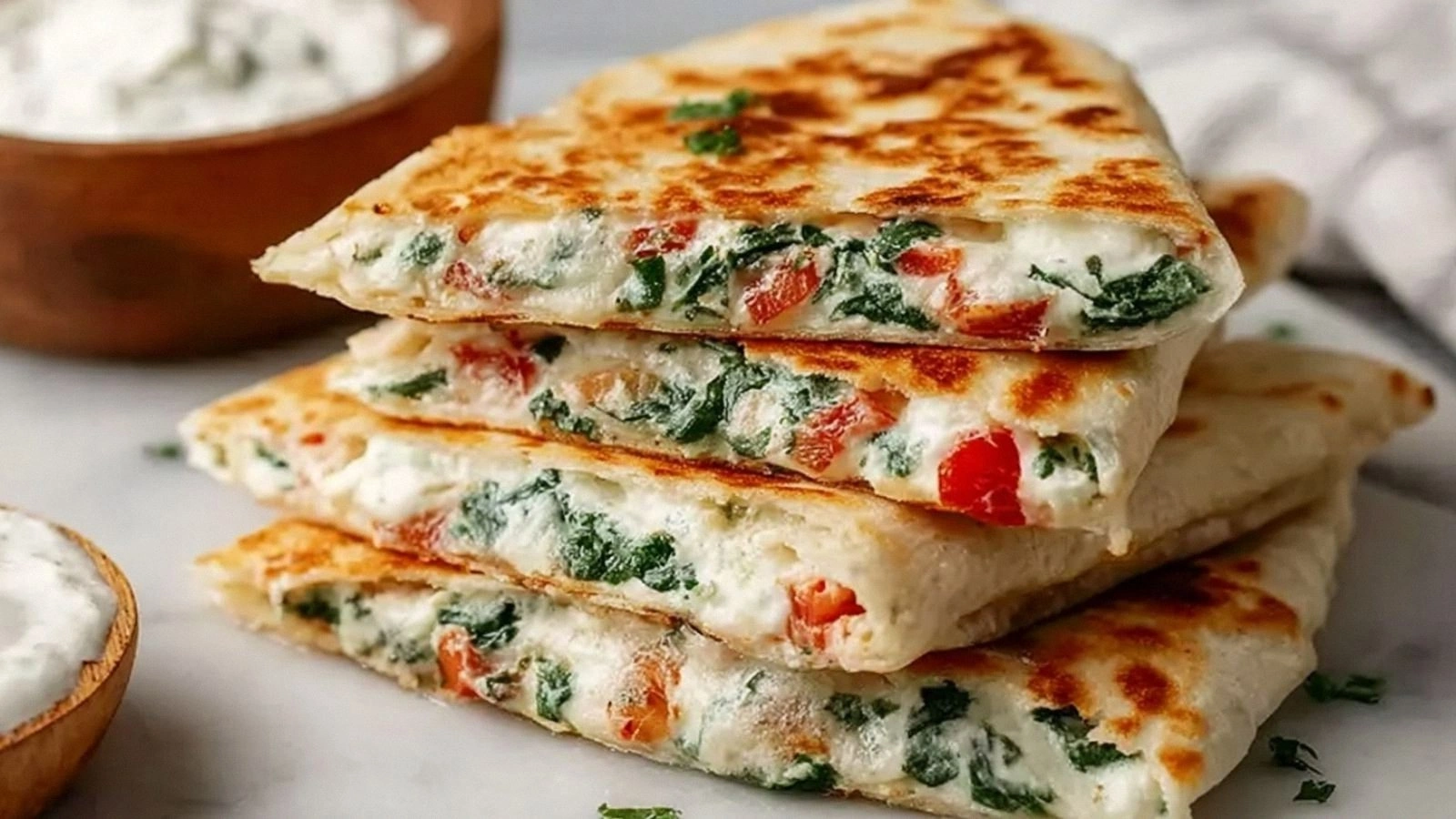
The Method — Step by Step
- Prep the Veggies: Dice the tomato into bite‑size cubes, finely mince the red onion, and wash the spinach until no grit remains. Toss the spinach with a pinch of salt and let it drain for a minute to remove excess moisture. This step ensures the spinach won’t release too much liquid during cooking, keeping the quesadilla from becoming soggy.
- Heat the Pan: Place a large non‑stick skillet over medium‑high heat and add the tablespoon of olive oil. Let the oil shimmer for 30 seconds before adding the tortillas. The oil’s sheen will help the tortillas crisp up and prevent sticking.
- Toast the Tortillas: Place each tortilla in the hot skillet for 20–30 seconds per side, just until they start to brown lightly. Flip them once; you’re looking for a golden crust, not a char. This pre‑cooking step creates a sturdy base that holds the filling without becoming soggy.
- Layer the Filling: Spread a thin layer of mozzarella on the center of each tortilla. Then add a generous amount of spinach, followed by diced tomato, crumbled feta, and a sprinkle of diced onion. The layering order is crucial; cheese first ensures a gooey center, while the veggies sit on top to keep them from soaking into the tortilla.
- Fold and Seal: Fold each tortilla in half, pressing gently to seal the edges. You can use a spatula to press the seam and prevent the filling from escaping during cooking. The sealed quesadilla should look like a half‑moon, ready for the skillet.
- Cook the Quesadilla: Return the folded tortillas to the skillet. Cook each side for 3–4 minutes, pressing lightly with a spatula to ensure even browning. The cheese should be bubbling, and the tortilla edges should be crisp and golden. Keep the heat moderate to avoid burning the cheese.
- Check for Doneness: When the cheese has melted into a silky, golden glaze, and the tortilla edges are crisp, slide a knife under the seam to ensure the filling is secure. If it’s loose, give it an extra minute on each side.
- Rest Before Cutting: Let the quesadilla rest for 2 minutes on a cutting board. This rest period allows the cheese to set slightly, preventing a gooey mess when sliced. A 2‑minute rest is enough to firm up the interior without losing that luscious melt.
- Slice and Serve: Slice each quesadilla into wedges with a sharp knife or pizza cutter. Serve immediately with a side of tzatziki or a simple Greek salad for a complete Mediterranean experience. The moment the knife meets the cheese, you’ll hear that satisfying, buttery crack that signals perfection.
That’s it — you did it. But hold on, I’ve got a few more tricks that will take this to another level…
Insider Tricks for Flawless Results
The Temperature Rule Nobody Follows
Many cooks assume that high heat is the only way to get a crisp tortilla, but that’s a myth. The trick is to start at medium‑high to toast the tortilla, then lower to medium for the filling. This two‑step approach ensures the tortilla gets a golden crust without burning the cheese. I’ve tried this method on a gas stove and an induction, and the results are consistently superior. The key is to keep the pan from reaching a full boil; a steady, gentle sizzle is all you need.
Why Your Nose Knows Best
Your nose is the first judge of a dish’s readiness. When the cheese is melted and the tortilla edges are golden, the scent will be a warm, buttery aroma with a hint of oregano. If the scent leans more toward sharp, green, or raw, the quesadilla isn’t ready. Trusting your nose can prevent overcooking and keep the cheese from drying out. I’ve lost a few pans to over‑cooked cheese, and the only way to avoid that is to rely on your senses.
The 5‑Minute Rest That Changes Everything
After cooking, let the quesadilla rest for exactly five minutes. The cheese will settle, the flavors will meld, and the edges will firm up. A shorter rest leaves the cheese too runny, while a longer rest can make it too firm. Five minutes is the sweet spot that ensures each bite is creamy, not sticky. I’ve used a timer to keep this rest consistent, and it’s become a staple in my kitchen routine.
Keep the Oil in the Pan, Not on the Tortilla
It’s tempting to drizzle olive oil over the finished quesadilla for extra shine, but that can make the tortilla greasy. Instead, keep the oil in the pan during cooking. The oil coats the tortilla’s surface, preventing sticking and giving it a subtle sheen. If you want a richer finish, add a light drizzle of olive oil after removing the quesadilla from the pan, but only a few drops to avoid excess fat.
Use a Non‑Stick Skillet for Consistency
A non‑stick skillet is essential for achieving a uniform crust. Stainless steel can work, but it’s prone to uneven browning and sticking if not properly seasoned. A good non‑stick pan will give you a consistent, golden finish every time. If you’re using a cast‑iron skillet, preheat it slowly to avoid scorching the tortilla. The surface temperature is the secret to a perfect quesadilla.
Creative Twists and Variations
This recipe is a playground. Here are some of my favorite ways to switch things up:
Spicy Mediterranean Quesadilla
Add a pinch of red pepper flakes or a drizzle of harissa to the filling. The heat will contrast the creamy cheeses and bring a fiery kick that’s perfect for summer nights. Pair it with a cool cucumber yogurt dip to balance the spice.
Mediterranean Veggie Stack
Replace the mozzarella with a blend of provolone and goat cheese for a tangier, richer flavor. Add sliced bell peppers for color and crunch. This version is great for a vegetarian crowd that still craves that cheesy goodness.
Pesto‑Infused Quesadilla
Spread a thin layer of basil pesto on the tortilla before adding the cheese. The pesto’s nutty, herbal notes will complement the oregano and give the quesadilla a fresh, green twist. Sprinkle pine nuts on top before cooking for an added crunch.
Greek Yogurt Drizzle
After cooking, drizzle a mixture of Greek yogurt and lemon zest over the quesadilla. This tangy topping will cut through the richness and add a cool, creamy contrast. It’s a perfect pairing for a light dinner.
Smoky Chipotle Quesadilla
Incorporate a spoonful of chipotle adobo sauce into the tomato mixture for a smoky depth. The chipotle will pair well with the feta’s briny tang, creating a flavor profile that feels like a midnight feast. Serve with a side of avocado slices for balance.
Storing and Bringing It Back to Life
Fridge Storage
Cool the quesadilla to room temperature before refrigerating. Store it in an airtight container for up to 2 days. The tortilla may soften slightly, but the flavors will remain vibrant. When ready to eat, reheat in a skillet or microwave for 1–2 minutes.
Freezer Friendly
Wrap the quesadilla tightly in foil and place it in a freezer bag. It will keep for up to 3 months. When you’re ready to enjoy it, let it thaw overnight in the fridge. Reheat in a skillet over low heat until the cheese is melted.
Best Reheating Method
To revive a chilled quesadilla, preheat a non‑stick skillet over medium heat. Place the quesadilla in the pan and cover with a lid for 3 minutes. Add a splash of water to the pan to create steam, then remove the lid for the final minute. This method keeps the tortilla crisp and the cheese perfectly gooey.