It started on a cold December morning when I was chasing the elusive “perfect holiday side” that could outshine every roast on the table. I’d watched my friends fumble with bland carrots that looked more like snow than food, and I was determined to prove that carrots could be the headline act of any festive spread. I grabbed a bag of fresh carrots, a jar of maple syrup, and a dash of daring, and the kitchen transformed into my personal laboratory of flavor.
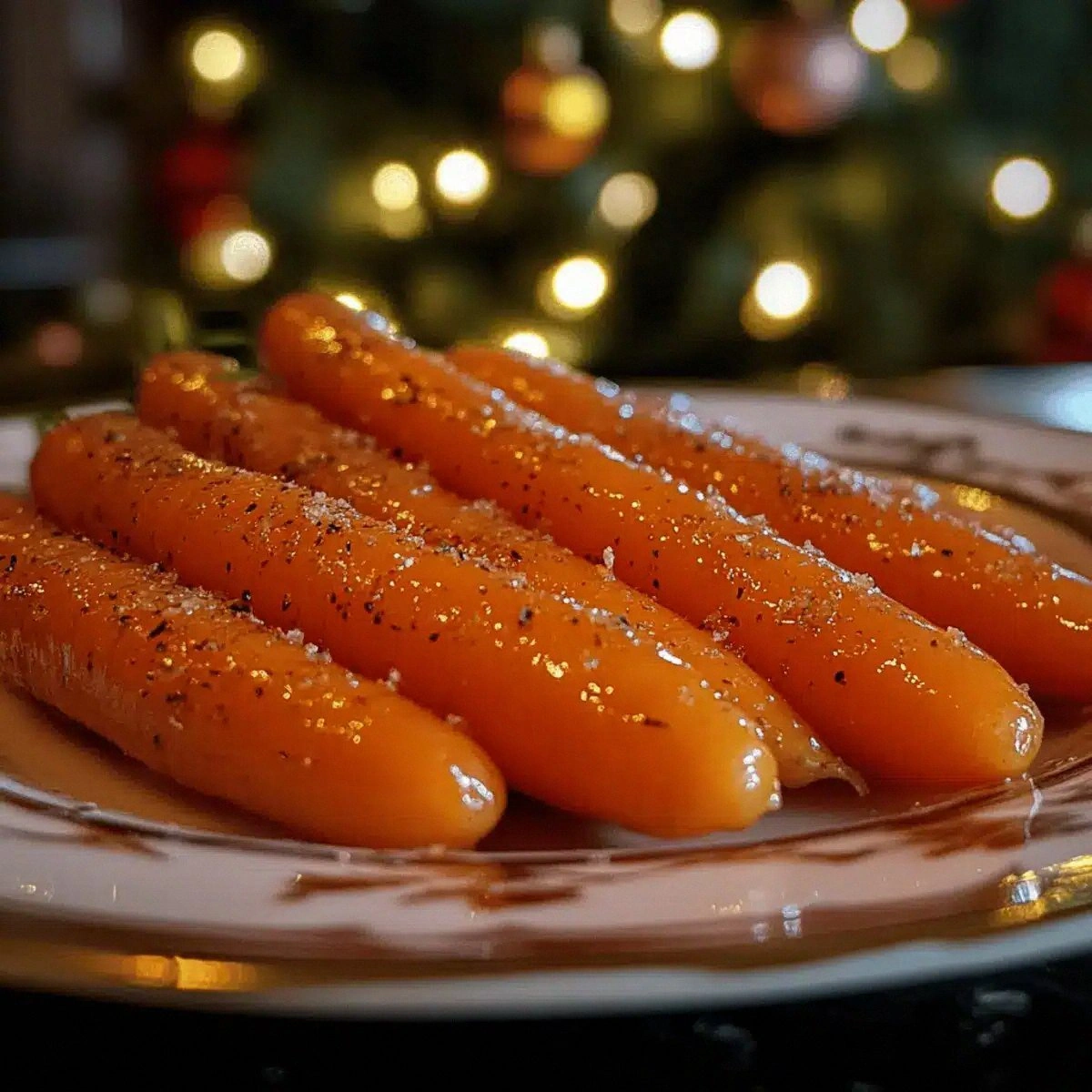
Picture this: the carrots are sliced into thick sticks, glistening in a pan that’s just been heated to a golden amber. The maple syrup hits the surface and starts a sweet, caramelizing dance, while a whisper of cinnamon and a pinch of salt send aromatic clouds spiraling upward. The air is thick with the scent of toasted butter and sweet maple, and the sound of sizzling is like a pre‑concert drumroll. My fingers are already tasting the buttery glaze, and I can almost feel the crunch that will snap when you bite into them.
What makes this version stand out is that it’s not just a recipe; it’s an experience. The glaze isn’t a simple syrup; it’s a velvety coating that clings to each carrot, turning them into glossy, caramel‑kissed jewels. The balance of sweetness, spice, and a touch of pepper creates a flavor profile that’s both comforting and adventurous. And the best part? It’s so simple you can whip it up in under 45 minutes, yet it feels like you’ve spent hours in a high‑end kitchen.
I dare you to taste this and not go back for seconds. I’ll be honest — I ate half the batch before anyone else got to try it. Most recipes get this completely wrong by either over‑cooking the carrots or under‑seasoning the glaze. Here’s what actually works: a quick sear, a low‑heat glaze finish, and a final sprinkle of fresh herbs for brightness. Picture yourself pulling this out of the oven, the whole kitchen smelling incredible, and everyone asking for the recipe. Okay, ready for the game‑changer? Let me walk you through every single step — by the end, you’ll wonder how you ever made it any other way.
What Makes This Version Stand Out
- Flavor: The maple syrup and butter create a caramelized glaze that coats the carrots like velvet, delivering a sweet, savory bite that lingers on the palate.
- Texture: The carrots are cooked to a tender‑crisp perfection; the edges caramelize just enough to give a satisfying snap, while the interior remains juicy.
- Simple Technique: No pre‑soaking, no complicated steps—just a single pan and a few minutes of attention.
- Ingredient Quality: Using high‑quality maple syrup and fresh carrots makes a noticeable difference; the natural sweetness of the carrots complements the syrup beautifully.
- Crowd Reaction: At family gatherings, this dish becomes the talk of the table, with guests asking for the recipe before the main course is even served.
- Make‑Ahead Potential: You can prep the glaze and carrots ahead of time; they reheat to perfection without losing their caramelized edges.
- Versatility: This glaze works not just on carrots but on sweet potatoes, parsnips, or even roasted Brussels sprouts, making it a versatile addition to any menu.
Alright, let's break down exactly what goes into this masterpiece…
Inside the Ingredient List
The Flavor Base
Maple syrup is the star of this dish, and it’s not just a sweetener—it’s a flavor enhancer that adds depth and a subtle nutty undertone. A half cup of pure maple syrup is enough to coat the carrots without overwhelming them, allowing the natural sweetness of the carrots to shine through. If you’re looking for an extra layer of richness, consider using a splash of bourbon or a drizzle of balsamic vinegar at the end of cooking; the alcohol will evaporate, leaving behind a complex, caramelized finish. Skipping the maple syrup would turn this into a plain sautéed carrot dish, losing the signature glossy coat that makes it holiday‑worthy.
Butter, measured at two tablespoons, provides a buttery sheen and helps the maple syrup spread evenly across the carrots. It also adds a subtle nutty flavor that complements the maple’s sweetness. If you’re watching your fat intake, you can replace the butter with a neutral oil like grapeseed, but be aware that the flavor profile will shift slightly. Butter also helps the glaze thicken to the right consistency; without it, the glaze might stay too runny and fail to stick.
The Texture Crew
Carrots, the heart of this dish, should be fresh and firm. A pound of carrots is enough for four servings, giving each person a generous portion that can double as a side or a snack. If you prefer a softer texture, cut the carrots into smaller pieces, but be mindful that they will cook faster and risk becoming mushy if over‑cooked. The olive oil, at two tablespoons, helps the carrots caramelize without sticking to the pan; it also adds a subtle fruity note that balances the maple sweetness.
Ground cinnamon, measured at one teaspoon, introduces a warm, aromatic spice that pairs beautifully with maple. This spice is a classic holiday pairing, often found in eggnog, pies, and mulled wine. If you’re a cinnamon lover, you can increase the amount to two teaspoons; just be careful not to overpower the maple’s delicate flavor. The cinnamon also adds a slight color change to the glaze, giving the carrots a golden hue.
The Unexpected Star
A quarter teaspoon of salt is crucial for balancing the natural sweetness of the maple syrup and the carrots. Salt enhances every other flavor in the dish and prevents the glaze from tasting flat. If you’re watching sodium, you can reduce the salt to a pinch, but the dish will lack depth. A pinch of freshly ground black pepper, measured at half a teaspoon, adds a subtle heat that cuts through the sweetness, creating a complex flavor profile that keeps the dish from feeling cloying.
The Final Flourish
Fresh thyme or parsley, optional, provides a burst of green freshness that brightens the dish. Sprinkle the herbs over the carrots right before serving to preserve their bright color and delicate aroma. If you’re a fan of rosemary, a small sprig can also work well, adding a piney note that pairs nicely with the maple glaze. Skipping the herbs won’t ruin the dish, but it will miss that final pop of color and freshness that makes it feel festive.
Everything's prepped? Good. Let's get into the real action…
The Method — Step by Step
- Begin by washing the carrots thoroughly, then peel them if you prefer a smoother texture. Cut the carrots into even sticks, about an inch wide, to ensure uniform cooking. This step is crucial because uneven pieces can lead to some carrots being over‑cooked while others remain raw.
- Heat a large skillet over medium‑high heat and add the olive oil. Once the oil shimmers, add the carrot sticks in a single layer, ensuring they don’t overcrowd the pan. The goal is to sear the carrots on all sides, creating a caramelized crust that locks in flavor.
- After about 5 minutes, turn the carrots to allow all sides to brown. You’ll hear a satisfying sizzle; that’s the sound of caramelization. If the carrots start to stick, add a splash of water to create a little steam, then continue cooking.
- Reduce the heat to medium and pour in the maple syrup. Stir quickly to coat the carrots evenly, letting the syrup coat each piece like a glossy glaze. The mixture should bubble gently, not boil.
- Add the butter, brown sugar, cinnamon, salt, and pepper. Stir until the butter melts and the sugar dissolves, creating a thick, caramelized sauce. The aroma at this point should be intoxicating, a sweet, buttery perfume that fills the kitchen.
- Cover the skillet with a lid and let the carrots simmer for 10 minutes, or until they reach a fork‑tender texture. The lid traps steam, ensuring the carrots stay moist while the glaze thickens. Check occasionally, stirring to prevent sticking.
- Remove the lid and increase the heat to high for the final 2–3 minutes. This step evaporates excess liquid, allowing the glaze to thicken into a glossy coating that clings to each carrot. Watch closely; the glaze should reduce to a syrupy consistency.
- Finally, sprinkle the fresh thyme or parsley over the carrots. Toss gently to distribute the herbs evenly. The fresh herbs add a bright, herbal note that balances the sweetness.
- Serve immediately while the glaze is still glossy and the carrots are hot. If you’re plating, arrange the carrots in a fan shape for a dramatic presentation. This dish pairs wonderfully with roasted meats or as a standalone vegetarian delight.
That's it — you did it. But hold on, I've got a few more tricks that'll take this to another level…
Insider Tricks for Flawless Results
The Temperature Rule Nobody Follows
Cooking carrots at the right temperature is key to achieving that perfect caramelized edge. Start with medium‑high heat to sear the carrots quickly, then lower to medium for the glaze to develop. Avoid high heat for the entire process; it will scorch the maple syrup and create a bitter taste. If you’re using a cast‑iron skillet, pre‑heat it for a few minutes before adding oil to ensure even heat distribution.
Why Your Nose Knows Best
Your sense of smell is a reliable guide for timing. When the glaze starts to bubble and the aroma becomes sweet and buttery, you’re close to the finish. A quick sniff can tell you if the glaze is too thin or if it’s ready to thicken. Trust your nose, and don’t let the glaze sit too long on the heat.
The 5-Minute Rest That Changes Everything
After removing the carrots from the skillet, let them rest for five minutes before serving. This resting period allows the glaze to set slightly, creating a glossy coating that’s easier to coat each carrot. It also gives the carrots a chance to finish cooking in their own steam, ensuring they’re tender yet firm.
Use Fresh Carrots for Maximum Flavor
Fresh carrots have a sweeter, crisper flavor than frozen ones. Look for carrots that are firm, bright orange, and free of blemishes. If you’re using frozen carrots, thaw them in a colander, pat them dry, and avoid over‑cooking, as they can become mushy.
The Sweet‑and‑Spicy Balance
If you prefer a more pronounced spice profile, add a pinch of cayenne pepper or a dash of smoked paprika. The heat will contrast nicely with the maple sweetness, creating a layered flavor that’s both comforting and exciting. Experiment with different spice blends to find your personal favorite.
The Fresh Herb Finale
Finish the dish with a generous sprinkle of chopped fresh herbs right before serving. The herbs add a burst of color and a fresh, slightly peppery note that cuts through the richness of the glaze. If you’re serving the dish as part of a larger holiday spread, consider adding a drizzle of extra‑virgin olive oil or a squeeze of lemon juice for an extra layer of brightness.
Creative Twists and Variations
This recipe is a playground. Here are some of my favorite ways to switch things up:
Maple‑Bourbon Carrots
Add a splash of bourbon to the glaze for a deeper, slightly smoky flavor. The alcohol evaporates, leaving behind a caramelized glaze with a hint of oak. Pair these carrots with a hearty steak for a decadent dinner.
Citrus‑Zest Carrots
Grate a small amount of orange zest into the glaze for a bright, citrusy lift. The zest complements the maple sweetness and adds a subtle zing that keeps the dish from feeling heavy. This variation works well with poultry or pork.
Spiced Carrot Medley
Swap the carrots for a mix of sweet potatoes, parsnips, and butternut squash. The combination of root vegetables adds texture and flavor complexity. Use the same glaze, but add a pinch of nutmeg for an extra layer of warmth.
Herb‑Infused Carrots
Add fresh rosemary or thyme during the simmering stage, letting the herbs steep in the glaze. The herbs infuse the sauce, giving it a fragrant, earthy note that pairs beautifully with roasted meats. Finish with a sprinkle of fresh parsley for color.
Spicy Maple Carrots
Incorporate a tablespoon of chili flakes or a dash of hot sauce into the glaze. The heat cuts through the sweetness, creating a bold, festive flavor. This version is great for a holiday dinner with a crowd that loves a little spice.
Savory Maple Carrots
Replace half the maple syrup with honey or a touch of soy sauce for a savory, umami twist. The honey adds a different type of sweetness, while the soy sauce brings depth and saltiness. This variation works well as a side for Asian‑inspired dishes.
Storing and Bringing It Back to Life
Fridge Storage
Store the glazed carrots in an airtight container in the refrigerator for up to 4 days. The glaze will thicken as it cools, so a quick stir before reheating will restore its glossy sheen. Keep the carrots separate from raw meats to avoid cross‑contamination.
Freezer Friendly
Freezing is not ideal for this dish because the glaze can become too thick, but you can freeze the carrots in a single layer on a baking sheet, then transfer them to a freezer bag. Reheat in the oven at 350°F for 10 minutes, then finish on the stovetop with a splash of water to restore moisture. This method preserves flavor while keeping the carrots tender.
Best Reheating Method
To reheat, place the carrots in a skillet over low heat and add a splash of water or broth. Stir gently until the glaze loosens and coats the carrots again. This technique prevents the glaze from drying out and keeps the carrots moist and flavorful. Finish with a sprinkle of fresh herbs to brighten the dish.