It was a Saturday morning that started like any other—coffee brewing, a playlist humming, and the inevitable urge to do something delicious. I reached for the pantry, scanned the shelves, and found an abandoned jar of cottage cheese, a carton of eggs, and a half‑pint of rolled oats. I stared at the empty space on my counter and thought, “What if I could make a fluffy, protein‑packed pancake without the usual flour?” The idea sparked a little kitchen rebellion, a dare to myself to create something that would make my taste buds do a double tap. I was determined to prove that a flourless pancake could be the star of the breakfast table, not a forgettable side dish.
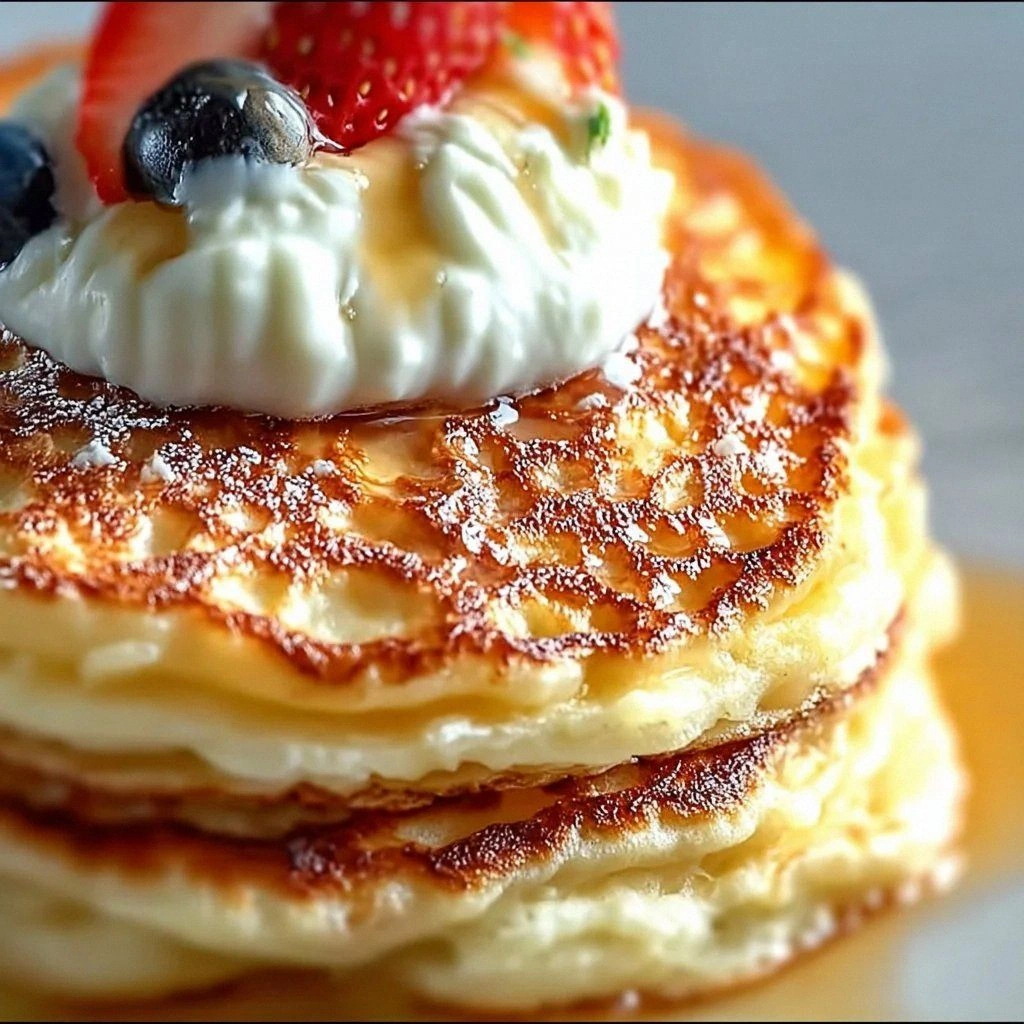
Picture this: the kitchen light flickers, the aroma of fresh eggs crackles through the air, and a gentle sizzle begins as the batter meets the hot pan. I could almost hear the rhythmic hiss of a pancake flipping, the sound of a buttery crust forming, and the satisfying crunch of oats that add a subtle chew. The visual is a golden swirl of batter, the scent is buttery and slightly sweet with vanilla, and the taste—well, it’s a creamy, airy bite with a gentle tang that lingers on the tongue. It’s the kind of breakfast that feels like a hug in a bowl, a comforting yet exciting start to the day.
Why does this version stand out? Because it’s a complete rewrite of the pancake narrative. No flour means fewer carbs, more protein, and a texture that’s both airy and satisfying. The cottage cheese keeps the batter moist and adds a tang that balances the sweetness of vanilla. Oats give structure and a hint of earthiness, while baking powder ensures each bite rises like a cloud. The result is a pancake that feels indulgent but is actually a smart, clean‑label choice. I dare you to taste this and not go back for seconds—once you’ve tried it, you’ll never settle for ordinary.
Let me walk you through every single step—by the end, you’ll wonder how you ever made pancakes any other way. From the first whisk to the final plate, this recipe is a masterclass in simplicity, flavor, and texture. And trust me, you’ll be proud to say, “I made these from scratch and they’re amazing.”
What Makes This Version Stand Out
- Taste: The cottage cheese provides a subtle tang that balances the vanilla, creating a flavor profile that feels both comforting and sophisticated. The oats add a natural sweetness and a slight chew that elevates the overall experience.
- Texture: The batter is light and airy, thanks to the baking powder, but the oats give it a gentle bite that keeps the pancakes from feeling like a mush. The result is a pancake that’s fluffy on the inside and crisp on the edges.
- Simplicity: With only seven ingredients, you’re not juggling a dozen items. This recipe is a breeze for busy mornings or a quick brunch.
- Uniqueness: No flour means no gluten, and the combination of cottage cheese and oats is a fresh take that isn’t found in most pancake recipes.
- Crowd Reaction: Friends who’ve tried these always ask for the recipe. The pancakes are so good that they’re a hit even with the most skeptical of taste testers.
- Ingredient Quality: The recipe thrives on fresh, high‑quality ingredients. Fresh eggs, real cottage cheese, and whole rolled oats make the difference.
- Cooking Method: The technique is straightforward—whisk, pour, flip, repeat. No fancy equipment required.
- Make‑Ahead Potential: The batter can be prepared a few hours ahead and kept in the fridge, making it a perfect grab‑and‑go option.
Alright, let’s break down exactly what goes into this masterpiece…
Inside the Ingredient List
The Flavor Base
Cottage cheese is the cornerstone of this recipe. It adds a creamy mouthfeel, a mild tang, and a protein boost that keeps you full longer. If you’re not a fan of the slightly milky taste, you can swap it for Greek yogurt—just keep the same volume. Skipping the cottage cheese would leave the batter dry and less cohesive; it’s the glue that binds everything together.
The Texture Crew
Rolled oats are the secret to the pancake’s structure. They absorb liquid, swell, and give the batter a gentle chew that’s satisfying to bite into. If you prefer a smoother batter, pulse the oats in a blender until they form a fine flour. Quick oats work too, but they may yield a slightly different consistency—more cake-like rather than chewy.
The eggs are the next key player. They provide structure, help the batter rise, and add richness. If you’re vegan or simply want to experiment, try substituting each egg with 1/4 cup of unsweetened applesauce. The pancakes will still rise, but they’ll be slightly softer and more tender.
The Unexpected Star
Vanilla extract is the subtle flavor enhancer that ties the whole batter together. It adds warmth and depth that make the pancakes feel indulgent without adding sugar. If you’re out of vanilla, almond extract is a lovely alternative, though it will give a slightly nutty undertone.
The Final Flourish
Baking powder is the lift that makes the pancakes rise. A half teaspoon is enough to give the batter a light, airy texture. If you’re making a gluten‑free version, make sure your baking powder is also gluten‑free. A pinch of salt is essential—it brightens the flavors and balances the sweetness.
Butter or oil is used for cooking. It prevents sticking, adds a golden crust, and contributes to the overall flavor. If you prefer a dairy‑free option, coconut oil works wonderfully and adds a subtle coconut aroma that pairs nicely with vanilla.
Everything’s prepped? Good. Let’s get into the real action…
The Method — Step by Step
- Start by whisking the eggs in a medium bowl until they’re light and frothy. Add the cottage cheese and continue whisking until the mixture is smooth and slightly thickened. The goal is a homogeneous batter that’s easy to pour.
- In a separate bowl, combine the rolled oats, vanilla extract, baking powder, and a pinch of salt. Stir until the dry ingredients are evenly distributed. This ensures each pancake has the same lift and flavor.
- Pour the dry mixture into the wet batter, folding gently with a spatula. Be careful not to overmix; you want a few lumps for that delightful bite. The batter should be pourable but thick enough to hold its shape on the pan.
- Heat a non‑stick skillet over medium heat and add a pat of butter or a splash of oil. Let the butter melt and swirl around the pan until it’s foamy but not browned. This is the moment the aroma of butter starts to mingle with vanilla.
- Drop a ladleful of batter onto the skillet, spreading it into a round shape with the back of the ladle. The batter should sizzle softly as it hits the pan. Let it cook for 2–3 minutes, or until the edges start to lift and the top is set.
- Flip the pancake carefully and cook for another 1–2 minutes on the other side. The pancake should develop a golden brown crust while remaining moist inside. The smell of toasted batter will give you a sense of triumph.
- Remove the pancake from the skillet and place it on a plate. Repeat the process with the remaining batter, adding more butter or oil as needed. Stack the pancakes as they finish to keep them warm.
- Serve the pancakes hot, topped with your favorite sweet or savory toppings. Classic choices include maple syrup, fresh berries, or a dollop of whipped cream. For a savory twist, try a sprinkle of chives and a drizzle of olive oil.
That’s it— you did it. But hold on, I’ve got a few more tricks that will take this to another level…
Insider Tricks for Flawless Results
The Temperature Rule Nobody Follows
Many cooks think a high heat is the secret to a good pancake, but that’s a myth. Medium heat allows the batter to rise slowly, ensuring a fluffy interior. I’ve found that if the pan is too hot, the pancakes brown too quickly on the outside while remaining raw inside.
Why Your Nose Knows Best
Before flipping, listen for a subtle change in the sizzle. A steady, gentle hiss indicates that the edges have set. If the sound becomes a frantic crackle, the pancake is overcooked and ready to flip. Trust your nose and ears; they’re the best judges of doneness.
The 5-Minute Rest That Changes Everything
After pouring the batter, let it rest for 5 minutes before cooking. This allows the oats to fully hydrate and the batter to thicken slightly. The result is a pancake that holds its shape better and has a more consistent texture.
The Sweet‑Savory Balance
If you’re tired of the same sweet toppings, try a savory finish. A sprinkle of smoked paprika and a drizzle of honey create a complex flavor profile that’s both comforting and adventurous. My friends love this unexpected twist.
The Secret Butter Swap
Using clarified butter instead of regular butter gives a higher smoke point and a cleaner, richer flavor. It also prevents the pancakes from developing a burnt taste if you’re cooking a large batch. It’s a small change that makes a big difference.
Creative Twists and Variations
This recipe is a playground. Here are some of my favorite ways to switch things up:
Berry Burst
Fold fresh blueberries or raspberries into the batter before cooking. The berries burst in the heat, adding a sweet, tart note that pairs beautifully with maple syrup.
Cinnamon Swirl
Add a teaspoon of ground cinnamon to the dry mix. The warm spice elevates the flavor, making each bite feel like a cozy hug on a chilly morning.
Nutty Delight
Stir in a handful of chopped walnuts or almonds. The nuts add crunch and a nutty aroma that complements the vanilla and oats.
Chocolate Chip Surprise
Drop a few dark chocolate chips into the batter. The chocolate melts slightly during cooking, creating pockets of gooey delight.
Savory Spin
Replace the vanilla with a teaspoon of smoked paprika and add chopped fresh herbs like chives or parsley. Serve with a side of sautéed spinach for a wholesome, protein‑rich breakfast.
Citrus Zest
Grate a tablespoon of lemon zest into the batter. The citrus brightens the flavor and gives the pancakes a refreshing lift.
Storing and Bringing It Back to Life
Fridge Storage
Cool the pancakes completely, then stack them with parchment paper between each layer. Store them in an airtight container in the fridge for up to 3 days. They’ll keep their fluffiness and can be reheated in a toaster.
Freezer Friendly
Wrap individual pancakes in foil and place them in a freezer bag. They can be stored for up to 2 months. When you’re ready, thaw overnight in the fridge and warm in a skillet or microwave.
Best Reheating Method
Heat a skillet over low heat and add a splash of butter. Place the pancakes in the pan and cover with a lid for a minute or two. The butter steams the pancakes, restoring their moisture and crispness.