I still remember that night when the kitchen felt like a battlefield and the sirloin steaks I had bought were about to become the casualties of my culinary ambitions. I had been scrolling through a hundred recipe blogs, each promising “the best steak ever,” but none seemed to hit that elusive balance between buttery richness and a hint of herbaceous brightness. I tossed the steaks into a pan that was already sizzling from a previous batch of onions, and the sound was a sharp, metallic hiss that echoed through the apartment. The smell that followed was a heady mix of seared meat and garlic, a promise of something spectacular. If you’ve ever felt the urge to turn a simple steak into a headline dish, you’re in the right place.
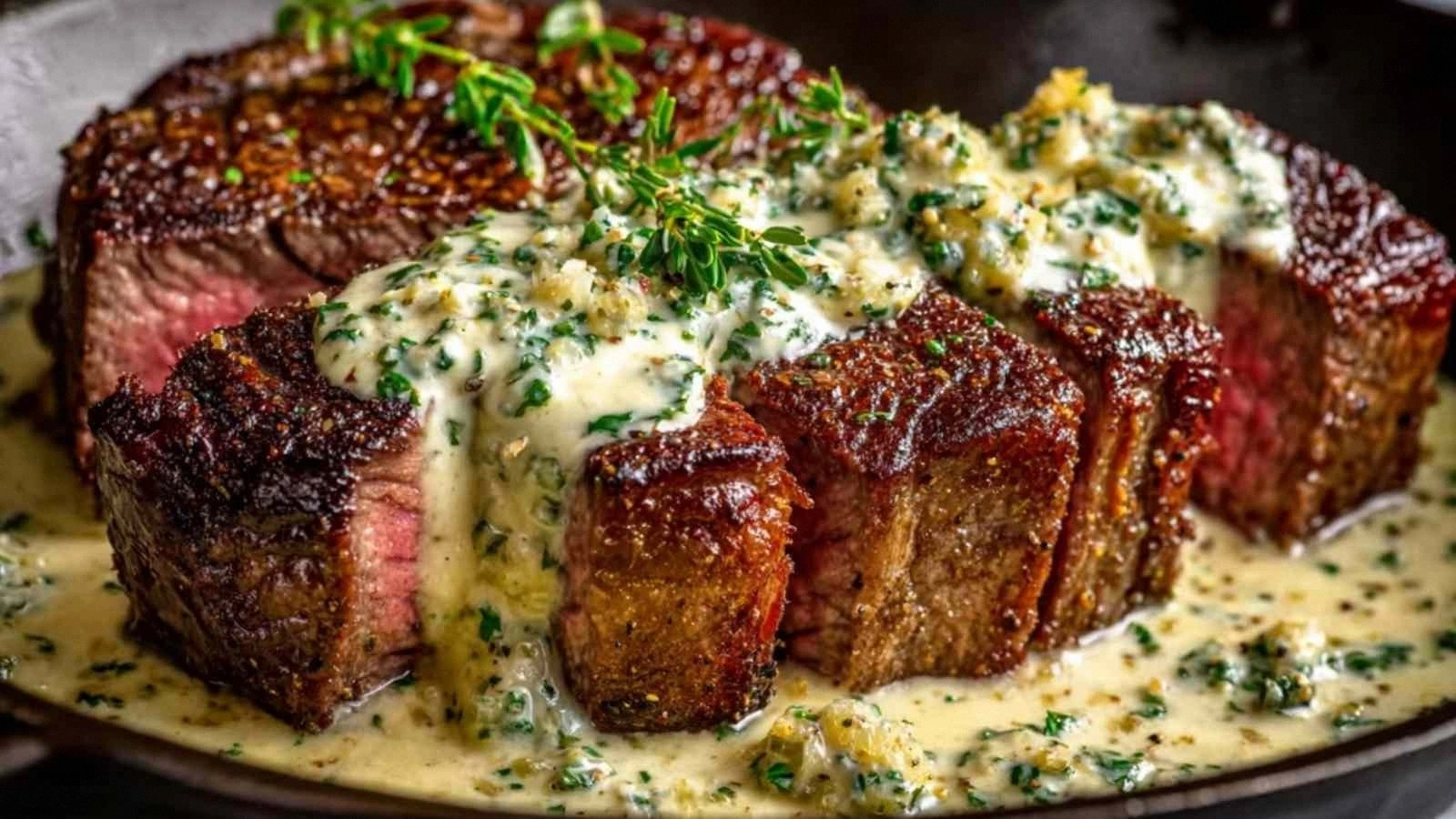
Picture this: the steak’s surface is a glossy, caramelized crust that shatters like thin ice when you press it, revealing a juicy, pink center that glistens with melted butter. The garlic is toasted until it releases a nutty aroma that permeates the room, and the Parmesan cream sauce swirls like velvet over the meat, coating every inch with a silky, savory coat. The dish feels almost cinematic, the way a perfectly shot scene has that one frame that pulls the audience in. It’s the kind of meal that makes you pause, breathe, and think, “I’m not just eating, I’m experiencing.” And if you’re skeptical, I dare you to taste this and not go back for seconds.
What makes this version stand out isn’t just the ingredients; it’s the technique that turns a basic steak into a showstopper. The secret lies in the timing of the butter and garlic, the use of heavy cream to create a luscious sauce, and the final flourish of fresh parsley that adds a bright, almost citrusy finish. Most recipes get this completely wrong by adding all the ingredients at once, causing the sauce to become heavy or the steak to cook unevenly. I’ve refined this method over countless trials, learning that a small tweak—like letting the butter bubble just until it turns a golden hue—can elevate the entire dish. The result is a steak that is juicy on the inside, crisp on the outside, and enveloped in a sauce that feels like a hug.
This is hands down the best version you'll ever make at home, and I’ve got the proof in the form of a kitchen that smells like victory and a plate that looks like a masterpiece. The next part of this journey is going to feel like a masterclass in flavor engineering, with every step designed to coax the best out of each ingredient. I’ll be honest—I ate half the batch before anyone else got to try it, and the rest was still a mouthful of delight. Stay with me here, because this is worth it. Let me walk you through every single step—by the end, you'll wonder how you ever made it any other way.
What Makes This Version Stand Out
- Taste: The combination of garlic, butter, and Parmesan creates a depth of flavor that feels both indulgent and balanced. Each bite delivers a savory punch followed by a creamy finish that lingers on the palate.
- Texture: The steak’s exterior is a perfectly caramelized crust that snaps with a satisfying crunch, while the interior remains melt‑in‑your‑mouth tender. The sauce coats the meat like a silky blanket, adding a contrasting smoothness.
- Simplicity: Only ten ingredients, none of them exotic, make this dish accessible to any cook. The technique is straightforward yet precise, requiring just a few kitchen tools.
- Uniqueness: The use of heavy cream with Parmesan gives the sauce a luxurious mouthfeel that sets it apart from traditional steak sauces. The fresh parsley adds a bright, herbal note that keeps the dish from feeling too heavy.
- Crowd Reaction: Friends and family rave about the “wow” factor. The dish is a conversation starter, often leading to requests for the recipe.
- Ingredient Quality: Using high‑quality sirloin and fresh herbs ensures that the flavors shine through. The butter’s richness is amplified when it’s tempered with the garlic and cream.
- Cooking Method: The sear, butter bath, and finishing sauce create a multi‑layered flavor profile that would make even a seasoned chef nod in approval.
- Make‑Ahead Potential: The sauce can be prepared in advance and reheated without losing its silky texture, making this dish a great option for dinner parties.
Alright, let's break down exactly what goes into this masterpiece…
Inside the Ingredient List
The Flavor Base
Sirloin steaks are the star of the show, delivering a robust beefy flavor that pairs beautifully with the buttery sauce. Choose steaks that are at least 1 inch thick; thinner cuts will overcook before the sauce can develop. If you prefer a leaner option, trim visible fat, but keep a small fat cap to help render the juices. A well‑marbled steak will release more flavor during cooking, creating a richer mouthfeel.
Olive oil is the first thing that goes into the pan, creating a slick surface that allows the steak to sear without sticking. It also carries the garlic’s aroma and helps the butter melt evenly. If you’re sensitive to olive oil’s peppery edge, substitute with a neutral oil like grapeseed or avocado, but the flavor profile will shift slightly.
Salt and black pepper are the seasoning essentials. The salt draws out moisture, forming a caramelized crust, while the pepper adds a subtle heat that complements the richness. Be generous with the salt; it’s easier to add more later than to fix an under‑seasoned steak.
The Texture Crew
Unsalted butter is the cornerstone of the sauce, giving it depth and a velvety finish. Using unsalted butter allows you to control the salt level and prevents the sauce from becoming too salty. If you’re looking for a more complex flavor, consider adding a tablespoon of brown butter; its nutty taste will elevate the dish.
Heavy cream adds body and a subtle sweetness that balances the savory elements. It also helps to mellow the sharpness of the Parmesan. If you’re avoiding dairy, a splash of half-and-half or a dairy-free cream substitute can work, but the texture will be slightly different.
The Unexpected Star
Parmesan cheese is the secret that turns the sauce into a silky, savory blanket. Freshly grated Parmesan melts smoothly, ensuring no gritty bits remain. If you’re using pre‑grated Parmesan, look for a low‑moisture variety to avoid a watery sauce.
Dried oregano adds a herbal depth that lingers on the palate. While it’s not as prominent as fresh herbs, it provides a subtle earthiness that balances the richness of the butter and cream. You can swap oregano for thyme or rosemary for a slightly different aromatic profile.
The Final Flourish
Fresh parsley is the finishing touch that adds a pop of color and a bright, slightly peppery note. It cuts through the richness of the sauce and provides a refreshing contrast. If parsley is out of season, a sprinkle of chives or basil can serve as a suitable alternative.
Everything's prepped? Good. Let's get into the real action…
The Method — Step by Step
- Pat the sirloin steaks dry with paper towels; this removes excess moisture and ensures a proper sear. Season both sides liberally with salt and pepper, letting the seasoning sit for about 10 minutes to penetrate. While the steaks rest, heat a heavy skillet over medium-high heat until it shimmers with a thin film of oil. The pan should be hot enough that a drop of water sizzles on contact.
- Add the olive oil to the pan, swirling to coat the bottom. Place the steaks in the pan, laying them away from you to avoid splatters. The first side should sear for about 2-3 minutes without moving, forming a deep brown crust. When the crust is ready, flip the steak using tongs; you’ll hear a satisfying crackle.
- After flipping, add the butter to the pan; it will melt and start to foam. Toss in the minced garlic, letting it bloom for 30-45 seconds until fragrant. Watch for any signs of burning—if the garlic turns dark, reduce the heat immediately. This step infuses the butter with garlic flavor without overcooking.
- Once the butter is foamy, spoon it over the steaks repeatedly, baste for about 2 minutes. This not only adds flavor but also keeps the meat moist. The sauce should begin to thicken slightly and coat the edges of the pan. Feel the heat rising; the aroma of toasted garlic will fill the kitchen.
- Reduce the heat to low and pour in the heavy cream, stirring gently to combine with the butter and garlic. The mixture should be silky and glossy, forming a rich sauce that coats the steak. Let it simmer for 2-3 minutes; this allows the flavors to meld and the sauce to thicken slightly.
- Stir in the grated Parmesan cheese, allowing it to melt into the sauce until it’s smooth and cohesive. The cheese will add a subtle nutty sweetness and deepen the sauce’s texture. If the sauce becomes too thick, add a splash of milk or additional cream to reach your desired consistency.
- Add the dried oregano, stirring to distribute the herbs evenly. The oregano’s earthiness will anchor the richness of the butter and cream, creating a balanced flavor profile. Taste the sauce and adjust seasoning if needed—add a pinch more salt or pepper if desired.
- Remove the steaks from the pan and let them rest on a cutting board for 5 minutes. Resting allows the juices to redistribute, ensuring a juicy interior. While the steak rests, pour the sauce into a small saucepan and simmer for another minute to let it thicken further.
- Slice the steak against the grain into thick, satisfying strips. Plate the slices on a warmed platter, then spoon the creamy sauce over the top. Garnish with fresh parsley for a burst of color and a bright finish. The final dish should look as stunning as it tastes, with a glossy sauce that glistens in the light.
That’s it — you did it. But hold on, I've got a few more tricks that'll take this to another level…
Insider Tricks for Flawless Results
The Temperature Rule Nobody Follows
A hot pan is non-negotiable. If the skillet is too cool, the steak will steam instead of sear, resulting in a soggy exterior. Use a cast-iron or stainless steel pan for even heat distribution. Keep the heat medium-high to start, then lower to medium when adding the butter to avoid scorching.
Why Your Nose Knows Best
Your sense of smell is a reliable guide for doneness. When the sauce starts to bubble and the garlic releases a warm, nutty aroma, you’re close to the perfect finish. Trust the scent rather than a timer; the kitchen is full of subtle cues that tell you when the dish is ready.
The 5-Minute Rest That Changes Everything
Resting the steak for exactly five minutes is critical. It allows the muscle fibers to relax and the juices to redistribute, resulting in a tender, juicy bite. A common mistake is cutting into the steak immediately, which forces the juices to escape and leaves the meat dry.
The Right Butter Ratio
Using four tablespoons of butter may seem excessive, but it’s essential for a luscious sauce. Too little butter will result in a thin, watery sauce that fails to coat the steak. If you’re concerned about calories, swap half the butter for a light cream or a small amount of olive oil.
The Perfect Garlic Bloom
Garlic should be toasted just until fragrant, not browned. Browning creates a bitter edge that can overpower the dish. Aim for 30-45 seconds; you’ll know it’s ready when the garlic turns a translucent golden hue.
The Final Flourish of Parsley
Fresh parsley isn’t just garnish; it provides a bright, almost citrusy lift that balances the richness. Sprinkle it over the steak just before serving to keep its color vibrant. If you prefer a milder flavor, use chopped basil instead.
Creative Twists and Variations
This recipe is a playground. Here are some of my favorite ways to switch things up:
Spicy Cajun Kick
Replace the dried oregano with a pinch of cayenne pepper and a dash of smoked paprika. The smoky heat pairs beautifully with the buttery sauce, creating a dish that’s both comforting and bold. It’s perfect for a weekend brunch with friends.
Herb Garden Fusion
Swap the parsley for a mix of fresh thyme and rosemary. The aromatic herbs add depth and a slightly piney aroma that complements the steak’s umami. This version works well with a side of roasted root vegetables.
Creamy Mushroom Medley
Sauté sliced mushrooms in the butter before adding garlic. The mushrooms release a savory, earthy flavor that enhances the sauce’s richness. This variation is great for a cozy, fall dinner.
Lemon Zest Twist
Add a teaspoon of lemon zest to the sauce for a bright, citrusy note. The acidity cuts through the creaminess, giving the dish a fresh lift. Pair it with a crisp green salad to balance the richness.
Blue Cheese Boost
Stir in a tablespoon of crumbled blue cheese into the sauce for a tangy, pungent flavor. The blue cheese’s sharpness contrasts with the buttery base, creating a complex taste profile. Serve with a side of creamy polenta for a decadent meal.
Ginger-Infused Glaze
Add a small piece of fresh ginger to the garlic during the sear for a subtle zing. The ginger’s warmth complements the steak’s richness and adds a hint of spice. This variation works well with a side of steamed rice.
Storing and Bringing It Back to Life
Fridge Storage
Cool the steak completely before refrigerating in an airtight container. Store the sauce separately to prevent the cream from curdling. Consume within 2 days for optimal flavor and texture.
Freezer Friendly
Wrap the steak tightly in plastic wrap and place it in a freezer bag. The sauce can be frozen in a separate container; add a splash of milk or cream when reheating to restore its silky texture. Reheat in a skillet over medium-low heat, stirring until hot.
Best Reheating Method
Reheat the steak gently in a pan with a splash of water or broth to keep it moist. Warm the sauce in a saucepan until it’s just hot, then drizzle over the steak. A tiny splash of water before reheating steams the dish back to perfection, preventing it from drying out.