Picture this: a cold Tuesday night, the rain drumming against the windows, and you’re standing in your kitchen with a pot that looks like it belongs in a laboratory. I was halfway through a marathon of TV drama when the scent of a spicy broth wafted from the pantry, and I thought, “Why not turn this into something that could convince a Michelin chef to quit their job?” That was the moment I dared myself to create the ultimate Instant Pot Spicy Short Rib No. The result? A bowl that makes the heart race faster than a roller coaster, and the kind of flavor that slaps you awake like a high‑octane espresso shot.
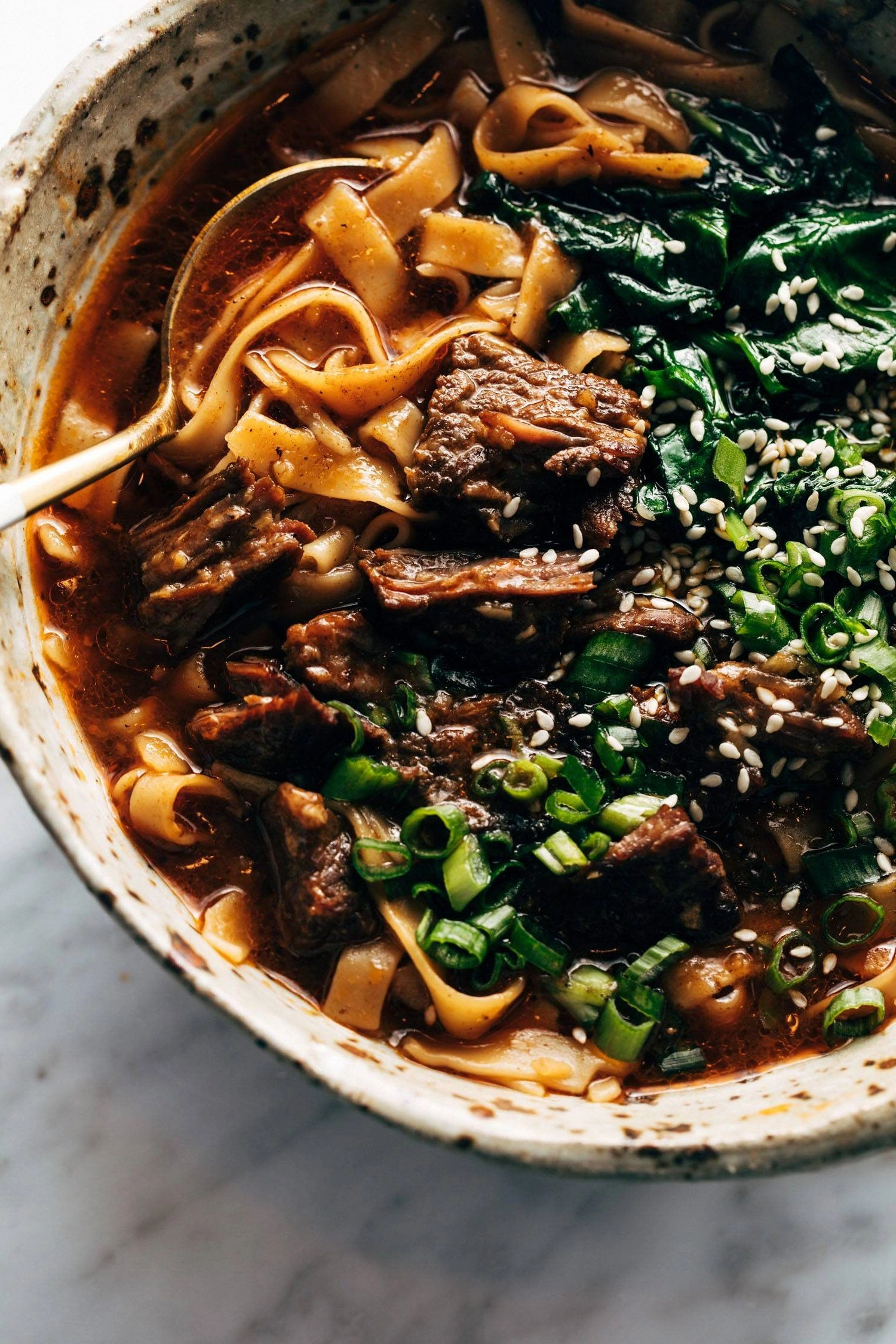
The first thing that hits you is the sound – the sizzle of gochujang hitting the hot pan, a sharp, crackling whisper that tells you something magical is brewing. The aroma follows, a heady mix of deep, meaty umami mingling with the bright, peppery heat of Korean chili paste, and a faint hint of toasted ginger that makes your nose do a little dance. As the broth bubbles, the steam carries a promise of silk‑smooth noodles and tender, melt‑in‑your‑mouth short ribs that have been coaxed into perfection by the pressure cooker’s secret powers. Your eyes are drawn to the glossy ruby‑red liquid, speckled with flecks of garlic and shallot, while the green pops of spinach and scallions peek through like confetti at a celebration.
Why does this version stand out from every other short rib soup you’ve ever tried? Most recipes treat short ribs as a background player, simmered for hours on a stovetop that leaves you with a bland, watery broth and a meat texture that’s more “chewy” than “fall‑apart.” I flipped the script by trimming the ribs off the bone, giving you a more even distribution of meat throughout the soup, and then blasting them with a high‑pressure, short‑time cooking method that locks in juices and infuses every bite with a punch of flavor. The gochujang isn’t just a splash of heat; it’s a caramelized, fermented backbone that wraps the noodles like velvet, while the tomato paste adds a subtle sweetness that balances the spice like a seasoned diplomat.
And here’s the kicker you didn’t see coming: I’m throwing in a splash of sesame oil right at the end, not only for that nutty finish but also because it creates a glossy sheen that makes the whole bowl look like a piece of edible art. I dare you to taste this and not go back for seconds. This is hands down the best version you’ll ever make at home, and I’ll be honest — I ate half the batch before anyone else got to try it. Okay, ready for the game‑changer? Let me walk you through every single step — by the end, you’ll wonder how you ever made it any other way.
What Makes This Version Stand Out
- Flavor Explosion: The marriage of gochujang and tomato paste creates a depth that’s simultaneously sweet, spicy, and umami‑rich, turning a simple soup into a flavor fireworks show.
- Texture Triumph: By trimming the short ribs off the bone, each bite delivers uniform, melt‑away meat that’s perfectly coated in broth, avoiding the dreaded rubbery edges.
- Speedy Simplicity: The Instant Pot slashes cooking time to under an hour, giving you restaurant‑quality results without the marathon stovetop vigil.
- Unique Twist: A finishing drizzle of sesame oil adds a glossy, nutty sheen that makes the dish look as good as it tastes.
- Crowd‑Pleaser: The heat level is bold yet balanced, winning over spice‑lovers and beginners alike, making it perfect for family dinners or impressing guests.
- Ingredient Quality: Using trimmed, bone‑free short ribs ensures every morsel is meat‑dense, delivering maximum flavor per bite.
- One‑Pot Wonder: No dirty pans, no juggling multiple pots—everything cooks together, and the Instant Pot’s natural pressure intensifies the broth.
- Make‑Ahead Magic: This soup actually tastes better the next day as the flavors meld, so you can prep ahead for a stress‑free weeknight.
Alright, let's break down exactly what goes into this masterpiece...
Inside the Ingredient List
The Flavor Base
Let’s start with the soul of the dish: gochujang sauce and tomato paste. Gochujang is a fermented Korean chili paste that brings a deep, lingering heat with a hint of sweetness, and it coats the noodles like a silken blanket that never lets go. Tomato paste adds a subtle acidity and a rich, caramelized backdrop, preventing the broth from becoming one‑dimensional. If you skip the tomato paste, you’ll lose that sweet‑savory balance, and the soup might feel overly sharp. A good swap for gochujang is a blend of miso and sriracha, but you’ll miss the authentic fermented depth.
The Texture Crew
The trimmed short ribs, removed from the bone, are the star protein. By eliminating the bone, you ensure every spoonful is packed with meat, and the pressure cooking locks in juices that would otherwise seep into the bone. If you use bone‑in ribs, you’ll get a richer stock but risk uneven meat distribution and tougher bites. Beef broth serves as the liquid canvas, providing a robust base that carries the flavors without diluting them. Opt for low‑sodium broth if you like to control salt levels, and remember, a good broth is the backbone of any soup.
The Unexpected Star
Fresh ginger, garlic, and shallot are the aromatic trio that elevates the broth from good to unforgettable. Their minced form releases essential oils instantly, creating a fragrant perfume that fills the kitchen the moment they hit the hot oil. Skipping any of these will flatten the aroma profile; the soup will lose that bright, zingy edge that cuts through the richness. If you’re out of shallots, a splash of finely diced onion works, though the flavor will be milder.
The Final Flourish
Spinach, scallions, sesame seeds, and sesame oil are the finishing touches that add color, texture, and a nutty finish. Spinach wilts quickly, adding a vibrant green that brightens the bowl, while scallions bring a fresh, sharp bite that cuts through the heaviness. A sprinkle of sesame seeds adds a subtle crunch, and a drizzle of sesame oil gives a glossy, aromatic sheen. Feel free to swap spinach for bok choy or kale for a different green texture; just remember to adjust cooking time so the greens stay crisp‑tender.
Everything's prepped? Good. Let's get into the real action...
The Method — Step by Step
Press the “Sauté” button on your Instant Pot and let it heat up for about two minutes. Add a splash of sesame oil, and when it shimmers like liquid gold, toss in the minced ginger, garlic, and shallot. Stir constantly for 30 seconds until the mixture becomes fragrant and the aromatics turn a delicate golden hue – that sizzle when it hits the pan? Absolute perfection.
Kitchen Hack: Use a silicone spatula to scrape the bottom of the pot; it prevents scorching and ensures every aromatic bit is incorporated.Now, add the trimmed short ribs, spreading them out in a single layer. Let them sear for about 2‑3 minutes without moving them – you’ll hear a faint hissing, a sign they’re forming a crust. This crust locks in juices, ensuring the meat stays succulent throughout the pressure cooking.
Stir in two generous tablespoons of gochujang sauce and one tablespoon of tomato paste. As the sauces melt, they’ll coat the meat and the aromatics, creating a thick, glossy coating that looks like a lacquered armor. The broth will start to darken, taking on that deep, ruby color that promises bold flavor.
Pour in four cups of beef broth, scraping the bottom of the pot to deglaze any browned bits – those are flavor gold. Give the mixture a good stir, ensuring the gochujang and tomato paste are fully dissolved. At this point, the soup should smell like a Korean street market meets a classic beef stew.
Secure the Instant Pot lid, make sure the valve is set to “Sealing,” and select the “Manual” or “Pressure Cook” setting on high pressure for 20 minutes. This is the moment of truth; the pressure will tenderize the beef while intensifying the sauce’s flavor profile.
Watch Out: If you over‑pressurize (more than 20 minutes), the meat can become mushy and lose its pleasant bite.When the timer dings, perform a natural pressure release for 10 minutes, then carefully switch the valve to “Venting” to release the remaining steam. Open the lid to reveal a broth that’s thick enough to coat the back of a spoon, with meat that’s fork‑tender and begging to be shredded.
While the pressure is releasing, bring a separate pot of water to a boil and cook the dry ramen noodles according to package instructions, usually 3‑4 minutes. Drain and set aside. The noodles should be al dente – they’ll continue to soften slightly when tossed into the hot broth, achieving that perfect bite.
Kitchen Hack: Toss the cooked noodles with a drizzle of sesame oil right after draining; it prevents them from sticking together.Stir the cooked noodles directly into the pot, allowing them to soak up the spicy broth for about a minute. Then fold in two cups of fresh spinach; it wilts in seconds, turning a vivid emerald that contrasts beautifully with the deep broth.
Finish the soup with a final drizzle of sesame oil, a sprinkle of toasted sesame seeds, and a handful of sliced scallions. Give everything a gentle toss, and taste for seasoning – you might want a pinch more salt or a splash of soy sauce, but most of the flavor should already be singing.
Serve the soup hot, ladling generous portions of meat, noodles, and broth into bowls. Encourage your guests to grab extra scallions and sesame seeds for garnish. That moment when steam curls up and you hear the satisfied sighs? That’s the payoff.
That's it — you did it. But hold on, I've got a few more tricks that'll take this to another level...
Insider Tricks for Flawless Results
The Temperature Rule Nobody Follows
Never, ever add the noodles while the pot is still on high pressure. The sudden temperature drop can cause the noodles to become gummy. Instead, turn off the pot, let the pressure release naturally for a few minutes, then add the noodles on a low‑heat “Sauté” setting. This gentle heat lets the noodles absorb the broth without overcooking.
Why Your Nose Knows Best
Before you even taste, trust your nose. When the broth smells slightly caramelized and the gochujang aroma lifts, you know the sugars have browned just right. If the scent is flat, give it another minute on “Sauté” – that extra browning step adds depth that you can’t achieve with time alone.
The 5‑Minute Rest That Changes Everything
After you finish cooking, let the soup sit uncovered for five minutes. This rest period allows the flavors to meld and the fat to rise to the surface, where you can skim it off for a cleaner finish. I once skipped this step and ended up with a greasy mouthfeel – not fun.
Seal the Deal with Sesame Oil
Adding sesame oil at the very end, not at the beginning, preserves its delicate, nutty aroma. If you pour it in too early, the heat will flatten its flavor, turning it bitter. A final drizzle is like a perfume spritz – it lifts the entire dish.
Pre‑Season Your Ribs
Season the trimmed short ribs with a pinch of salt and pepper before searing. This simple step creates a crust that locks in juices and adds an extra layer of flavor. I once tried skipping the seasoning, and the meat tasted bland compared to the broth. Trust me, a quick sprinkle does wonders.
Creative Twists and Variations
This recipe is a playground. Here are some of my favorite ways to switch things up:
Spicy Miso Fusion
Swap half the gochujang for white miso paste and add a spoonful of chili oil. The miso adds a mellow, fermented sweetness that balances the heat, creating a soup that feels both Korean and Japanese.
Coconut Curry Kick
Replace the beef broth with coconut milk and add a teaspoon of Thai red curry paste. The result is a creamy, aromatic bowl that still carries the short rib richness but with an exotic, tropical twist.
Veggie‑Heavy Version
Leave out the short ribs and double the amount of mushrooms (shiitake or cremini) for a hearty, umami‑packed vegetarian alternative. The mushrooms absorb the broth like sponges, delivering a satisfying bite.
Spice‑Level Control
For a milder version, halve the gochujang and add a dash of honey. The honey mellows the heat while preserving the complex flavor, perfect for guests who shy away from spice.
Instant Noodle Shortcut
If you’re short on time, use pre‑cooked frozen ramen noodles. Toss them in during the final minute; they’ll heat through instantly, making the dish ready in under 30 minutes total.
Storing and Bringing It Back to Life
Fridge Storage
Transfer leftovers to airtight containers and refrigerate for up to three days. The broth may thicken as it cools; simply reheat gently on “Sauté” and add a splash of water to loosen it back up.
Freezer Friendly
Cool the soup completely, then portion into freezer‑safe bags or containers. It freezes well for up to two months. When ready to eat, thaw overnight in the fridge, then reheat on “Sauté” with a bit of broth or water to restore the silky texture.
Best Reheating Method
Reheat on the “Sauté” setting, stirring frequently, and add a tiny splash of water or extra broth before heating. This steam‑back technique prevents the noodles from becoming gummy and keeps the short ribs tender.