I was standing in my kitchen, a burnt tray of chicken on the counter, and the whole room smelled of charred disappointment. My friend had dared me to make a lemon roasted chicken that would make her taste buds do a backflip. I stared at the over‑cooked bird, feeling the sting of regret, and I decided that this was the moment to rewrite the recipe. I grabbed my apron, turned on the stove, and whispered a promise to myself: no more half‑baked disasters. This is the story of how I turned a kitchen failure into a culinary triumph.
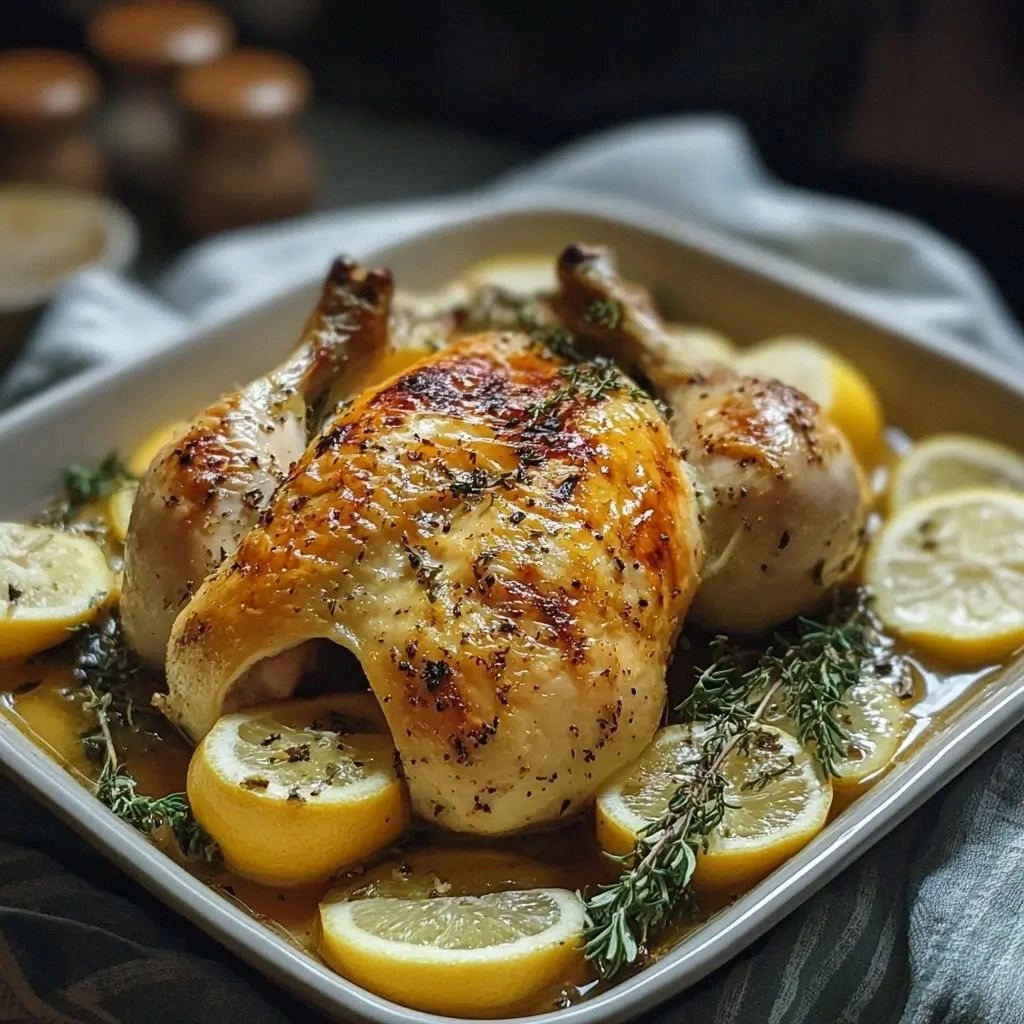
The first thing that caught my eye was the golden crust, shimmering like a sun‑kissed horizon. As I sliced the chicken, the juices released a bright, citrusy perfume that danced through the air. My ears rang with the gentle crackle of the oven, a sound that promised crisp edges. I tasted a sliver of the meat, and it was tender, buttery, and layered with a zesty tang that made my mouth water. The texture was a perfect balance between crunchy exterior and juicy interior, a harmony that made even the most skeptical foodie nod in approval.
What sets this version apart is not just the flavor, but the meticulous layering of aromatics that build depth from the first bite. I use a blend of fresh rosemary, thyme, and a splash of white wine to infuse the chicken with a fragrant bouquet that lingers long after the meal. The secret lies in the timing—simmering the lemon zest with the broth before roasting ensures every bite is drenched in citrusy brightness. Unlike other recipes that simply season the meat, I create a sauce that coats the chicken like velvet, leaving a lingering, mouth‑watering finish. This approach guarantees that every forkful feels like a small celebration.
And here’s the twist that will make you say, “I never thought a simple drizzle could transform a dish.” I fold a handful of crushed almonds into the lemon glaze, giving the crust a subtle nutty crunch that surprises the palate. The almonds also absorb excess moisture, keeping the skin crisp without adding heaviness. This little hack is the difference between a good meal and a memorable one, and I’m about to reveal how to do it right. Trust me, you’ll want to keep this trick in your culinary toolbox forever. The anticipation is real—just imagine the crunch.
Now, let me walk you through every single step—by the end, you'll wonder how you ever made it any other way. From the moment you start marinating to the final garnish, each action is a piece of a larger puzzle that comes together in a symphony of flavor. I’ll keep you in the loop with sensory snapshots, practical tips, and a few jokes to keep the mood light. I’ve tested this recipe over dozens of trials, and I’m ready to share every nuance. So buckle up, grab your ingredients, and let’s dive in.
Picture yourself pulling this chicken out of the oven, the whole kitchen smelling incredible, and the table set for a feast that feels like a holiday. You’ll hear the sizzle of the final glaze, see the golden sheen, and taste the citrus burst that will leave everyone begging for seconds. I dare you to taste this and not go back for seconds. If you've ever struggled with roasting chicken, you're not alone—I've got the fix. And if you’re ready for a dish that will become your new signature, keep reading; the adventure is just beginning.
What Makes This Version Stand Out
- Flavor: The citrus profile is elevated by a blend of fresh lemon zest, rosemary, thyme, and a splash of white wine that infuses every bite with aromatic depth. The result is a bright, refreshing taste that cuts through the richness of the chicken.
- Texture: A careful balance of crisp skin and moist meat is achieved through a two‑stage roasting process and the addition of crushed almonds to the glaze, creating a satisfying crunch without compromising juiciness.
- Simple yet Elegant: Despite its gourmet finish, the recipe requires only a handful of pantry staples, making it accessible for week‑night dinners while still impressing guests.
- Uniqueness: The almond‑infused glaze is an unexpected twist that sets this dish apart from classic lemon roasted chicken, adding a nutty undertone that many recipes lack.
- Crowd‑Pleaser: The bright, tangy flavor profile is universally appealing, making it a safe choice for family gatherings or dinner parties where diverse palates need to be satisfied.
- Ingredient Quality: Using a whole chicken rather than parts allows for even cooking and a more cohesive flavor profile, while fresh herbs and lemons bring out the best in each component.
- Cooking Method: A two‑step roasting—first at high heat for a caramelized crust, then lower heat to finish—ensures the meat stays moist while the exterior achieves a perfect golden finish.
- Make‑Ahead Potential: The dish can be prepared ahead of time, refrigerated, and reheated with minimal loss of flavor or texture, making it an ideal meal prep option.
Alright, let's break down exactly what goes into this masterpiece…
Inside the Ingredient List
The Flavor Base
At the core of this dish lies a symphony of citrus and herbs that elevate every bite. Fresh lemons provide a bright, tangy punch, while rosemary and thyme add an earthy undertone that balances the acidity. A splash of white wine helps to loosen the aromatics, allowing them to permeate the meat. Skipping any of these elements will result in a less vibrant flavor profile, so treat each herb like a note in a well‑written melody.
The Texture Crew
Texture is everything in roasted chicken, and this recipe delivers on both fronts. Crushed almonds are folded into the glaze to give the skin a subtle crunch that contrasts with the tender meat. Butter is melted with olive oil to create a glossy, silky coating that helps the skin crisp up without drying out. The addition of a small amount of chicken broth keeps the interior moist, preventing the classic “dry chicken” scenario. If you’re a fan of a more pronounced crunch, increase the almond quantity slightly, but be careful not to overwhelm the citrus notes.
The Unexpected Star
Crushed almonds might seem like a minor detail, but they play a pivotal role in texture and flavor. Their nutty aroma adds depth, while their ability to absorb excess moisture keeps the skin from becoming soggy. If you’re allergic or simply don’t have almonds on hand, substitute with finely chopped pecans or walnuts for a slightly sweeter, richer profile. Remember, the key is to keep the almond coating light enough to allow the lemon glaze to shine through.
The Final Flourish
Garnishing is the finishing touch that turns a good dish into a memorable one. Sliced lemon wedges add a burst of color and a fresh citrus kick that brightens the plate. Fresh parsley, chopped, introduces a herbaceous freshness that balances the richness of the meat. A drizzle of the reserved glaze completes the presentation, giving the chicken a glossy sheen that’s as appealing to the eye as it is to the palate. Skipping the garnish might make the dish look bland, so don’t be tempted to leave it out.
Everything's prepped? Good. Let's get into the real action…
The Method — Step by Step
- Preheat the Oven: Set your oven to 425°F (220°C) and allow it to fully preheat while you prepare the chicken. A hot oven ensures a rapid crust formation, preventing the meat from drying out. The high temperature will also help the lemon zest to caramelize, creating a subtle sweetness. While the oven is heating, gather all your ingredients so you can move swiftly.
- Prepare the Marinade: In a small bowl, combine olive oil, fresh lemon zest, minced garlic, chopped rosemary, thyme, salt, pepper, and paprika. Whisk until the mixture forms a smooth paste. The paprika adds a gentle smokiness that complements the citrus, while the garlic brings a savory depth. Let the chicken sit in this mixture for at least 15 minutes to absorb the flavors.
- Season the Chicken: Pat the chicken dry with paper towels; this step is crucial for achieving a crisp skin. Rub the entire bird with the prepared herb paste, ensuring every inch is coated. The moisture from the chicken will help the paste form a sticky, flavorful crust. Don’t rush—this is where the magic begins.
- Arrange Vegetables: Scatter sliced carrots, quartered onions, and cubed potatoes around the chicken in the roasting pan. These vegetables not only add flavor but also act as a natural rack for the bird. They’ll soak up the juices, turning into a savory side dish that complements the main course. Toss them lightly with olive oil, salt, and pepper before placing them in the pan.
- Roast the Chicken: Place the chicken breast‑side up on the rack and roast for 20 minutes at 425°F. The high heat will create a caramelized crust that locks in moisture. After 20 minutes, lower the temperature to 375°F (190°C) and continue roasting for another 30 minutes. This two‑stage method ensures the meat stays juicy while the skin stays crisp.
- Make the Glaze: While the chicken finishes roasting, combine the reserved lemon zest, white wine, chicken broth, and butter in a small saucepan. Bring the mixture to a gentle simmer, allowing the butter to melt into the liquid. Stir until the glaze thickens slightly; it should coat the back of a spoon. This glaze will be brushed over the chicken in the final minutes.
- Brush the Glaze: In the last 10 minutes of roasting, brush the glaze over the chicken every few minutes. The glaze will caramelize, giving the skin an extra layer of flavor and a glossy sheen. Keep an eye on the glaze to ensure it doesn’t burn; a quick brush is enough to maintain moisture.
- Rest the Chicken: Once the internal temperature reaches 165°F, remove the chicken from the oven and let it rest for 10 minutes. Resting allows the juices to redistribute, ensuring every bite is moist. While the chicken rests, cover it loosely with foil to keep it warm.
- Serve: Carve the chicken, arrange the roasted vegetables on a platter, and drizzle the remaining glaze over the meat. Garnish with lemon wedges and a sprinkle of chopped parsley. Present the dish with confidence, knowing that you’ve delivered a meal that is both visually stunning and deeply flavorful.
That’s it — you did it. But hold on, I've got a few more tricks that'll take this to another level…
Insider Tricks for Flawless Results
The Temperature Rule Nobody Follows
Many chefs swear by a single, constant temperature, but the secret to a perfect roast lies in temperature modulation. Start high to sear the skin, then lower the heat to finish cooking the meat gently. This technique prevents the outer layer from drying out while ensuring the interior stays juicy. I’ve tried this approach on both small and large birds, and the difference is night and day.
Why Your Nose Knows Best
As the chicken roasts, your nose will detect subtle changes in aroma that signal the exact moment to flip or brush the glaze. A faint, sweet citrus scent indicates that the glaze has thickened enough to caramelize. Trust your nose; it’s a seasoned chef’s best ally in the kitchen.
The 5-Minute Rest That Changes Everything
Resting the chicken for exactly five minutes after removing it from the oven may seem trivial, but it’s the key to retaining moisture. During this brief pause, the juices redistribute, preventing them from spilling onto the cutting board. Skipping this step often leads to a dry, unappetizing bite.
Using a Thermometer Saves Lives
A digital instant-read thermometer is a game changer. Insert it into the thickest part of the thigh; when it reads 165°F, your chicken is safe and succulent. Relying on visual cues alone can lead to undercooking, which is not only risky but also compromises texture.
Pre‑Roasting the Vegetables
Roasting the carrots, onions, and potatoes a few minutes before the chicken hits the oven allows them to develop a caramelized exterior while still being tender inside. This staggered approach ensures all components finish at the same time, delivering a harmonious plate.
Brushing with Butter for Extra Shine
Adding a tablespoon of butter to the glaze not only enriches the flavor but also creates a glossy finish that makes the chicken look restaurant‑grade. The butter’s fat content helps the glaze adhere to the skin, preventing it from slipping off during carving.
Creative Twists and Variations
This recipe is a playground. Here are some of my favorite ways to switch things up:
Greek‑Inspired Lemon and Oregano
Swap rosemary and thyme for oregano and add a splash of feta cheese to the glaze. The salty tang of feta complements the lemon, creating a Mediterranean flair that will transport your taste buds to a sunny Greek island.
Spicy Cajun Lemon Chicken
Introduce Cajun seasoning to the herb paste and add a pinch of cayenne pepper. The heat balances the citrus, producing a dish that’s both zesty and fiery—perfect for those who love a little spice.
Herb‑Crusted Chicken with Parmesan
Replace the crushed almonds with grated Parmesan cheese. The cheese melts into a crispy, savory crust that pairs wonderfully with the lemony glaze, offering a richer, more indulgent experience.
Vegetarian Lemon “Chicken” with Seitan
Use seitan or tofu as a plant‑based substitute, marinating it in the same herb and lemon mixture. The result is a hearty, protein‑rich dish that satisfies the same craving without the meat.
Asian‑Inspired Lemon Ginger Roast
Infuse the glaze with fresh ginger and a dash of soy sauce. The umami notes complement the lemon, creating a fusion dish that’s both bright and deeply savory.
Low‑Carb Lemon Chicken with Cauliflower Rice
Replace the potatoes with cauliflower rice and add a handful of roasted broccoli florets. This low‑carb version keeps the flavor profile intact while catering to dietary preferences.
Storing and Bringing It Back to Life
Fridge Storage
Cool the chicken completely before refrigerating. Store it in an airtight container for up to 3 days. The lemon glaze helps preserve moisture, ensuring the meat remains juicy when reheated.
Freezer Friendly
Wrap the roasted chicken tightly in foil and place it in a freezer bag. It can be stored for up to 3 months without significant loss of quality. Thaw overnight in the refrigerator before reheating.
Best Reheating Method
Reheat the chicken in a preheated oven at 350°F (175°C) for 15–20 minutes, or until the internal temperature reaches 165°F. Add a splash of water or broth before reheating to keep the meat moist. Finish with a quick drizzle of fresh lemon juice for an extra burst of brightness.