Picture this: I’m in the middle of a bustling family dinner, the kitchen is a whirlwind of clanging pans, and my friend dares me to “make something that can’t be beaten by any restaurant.” I glance at the pantry, pull out fresh lemons, a handful of pappardelle, and a splash of heavy cream, and I know I’ve just stumbled onto the recipe that will make every guest gasp. I dare you to taste this and not go back for seconds. I’ve been told it’s hands down the best version you’ll ever make at home, and I’m about to prove it.
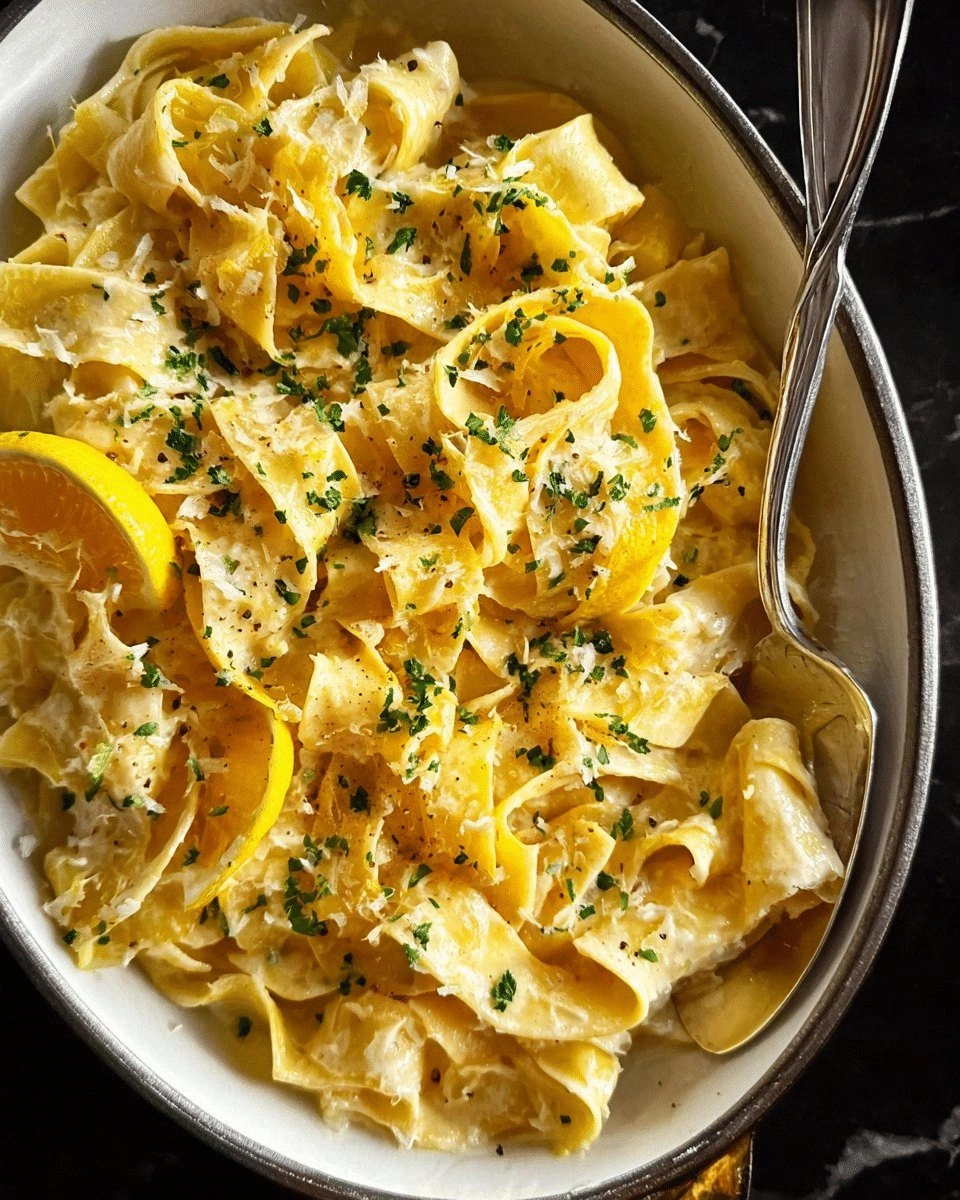
The first thing that hits you is the aroma—a bright, citrusy perfume that mingles with the rich, buttery scent of cream and cheese. Your eyes lock onto the glossy strands of pappardelle, each ribbon shimmering like a summer sunset. The sound of the sauce bubbling is almost music, a gentle hiss that promises something extraordinary. The texture feels silky, the sauce coating the pasta like velvet, while the citrus zest adds a subtle crunch that keeps the bite interesting. And the taste? A perfect balance of tangy lemon, salty cheese, and creamy richness that makes the palate dance.
What sets this version apart from every other lemon pasta recipe on the internet is the deliberate layering of flavors and the use of high-quality cheeses that bring depth without overpowering the citrus. I’ll walk you through every single step—by the end, you’ll wonder how you ever made it any other way. Let me show you how to turn a simple pot of pasta into a dish that feels like a gourmet celebration, right in your own kitchen.
If you’ve ever struggled with lemon pasta, you’re not alone—and I’ve got the fix. Most recipes get this completely wrong by overcooking the pasta or using too much lemon juice, which can make the sauce taste acidic and thin. I’ll show you how to keep the pasta al dente, how to balance the citrus with cream, and how to finish with a touch of parsley that brings everything together. Picture yourself pulling this out of the pot, the whole kitchen smelling incredible, and seeing the plates gleam with golden, glossy strands of pasta that look as good as they taste.
What Makes This Version Stand Out
- Flavor: The bright citrus of fresh lemons is tempered by a creamy, cheesy base, creating a layered taste that is both zesty and indulgent.
- Texture: The sauce coats the pasta like velvet, while the pasta retains its al dente bite, offering a satisfying contrast.
- Simplicity: With only ten ingredients, this recipe is quick to assemble, yet it delivers a restaurant‑quality experience.
- Ingredient Quality: Using Parmigiano-Reggiano and Pecorino Romano instead of generic cheese elevates the dish with real depth.
- Make‑ahead Potential: The sauce can be prepared a day ahead and reheated with a splash of pasta water, preserving its silky texture.
- Visual Appeal: The golden, glossy strands of pappardelle, bright lemon zest, and a sprinkle of parsley create an eye‑catching plate.
Inside the Ingredient List
The Flavor Base
Lemons: Fresh lemons provide both zest and juice, giving the sauce its signature bright, citrusy kick. The zest releases aromatic oils that linger on the tongue, while the juice offers acidity to cut through the cream’s richness. If you skip the zest, the sauce will feel flat and one‑dimensional. Swap for a splash of white wine for a slightly different acidity, but keep the juice for balance.
Olive Oil: A good olive oil forms the foundation of the sauce, allowing the garlic and lemon to infuse evenly. It also adds a subtle fruity undertone that complements the citrus. Use a light, cold‑pressed variety for the best flavor. If you don’t have olive oil, a neutral oil like grapeseed works, but you’ll miss the extra depth.
The Texture Crew
Pappardelle: Wide, flat ribbons of pasta are perfect for holding onto the creamy sauce. Fresh pasta cooks faster and has a superior texture compared to dried. If you only have dried, reduce the cooking time by a minute and keep a close eye on the pasta to avoid overcooking. A good rule: taste a strand just before the timer ends.
Heavy Cream: Cream brings a silky, velvety body to the sauce, balancing the sharpness of the lemon. It also helps the cheese melt smoothly into the sauce. Use a full‑fat cream for the richest mouthfeel. If you prefer a lighter version, replace half the cream with whole milk, but the sauce will be thinner.
The Unexpected Star
Parmesan and Pecorino: The dual‑cheese blend creates a complex, savory backdrop that anchors the citrus. Parmigiano-Reggiano offers nutty, salty notes, while Pecorino Romano adds sharp, tangy depth. Skipping one will alter the balance, but the dish remains good if you use only one. For a vegan version, replace both with nutritional yeast or a plant‑based cheese.
Fresh Parsley: This herb adds a bright, slightly peppery finish that lifts the dish. It also introduces a splash of color, making the plate visually appealing. If parsley is out of season, use chives or basil for a different herbal note. Parsley’s subtle flavor won’t overpower the lemon or cheese.
The Final Flourish
Salt & Pepper: Seasoning is essential to bring all flavors together. Because the cheeses are already salty, add salt sparingly, then adjust after tasting. Freshly ground black pepper adds a gentle heat that balances the citrus. If you prefer a spicier kick, a pinch of red pepper flakes can be a nice touch.
Everything's prepped? Good. Let's get into the real action...
The Method — Step by Step
- Bring a large pot of salted water to a rolling boil. Add the pappardelle and cook according to package instructions until al dente. Reserve a cup of pasta water before draining. This step is crucial because the starch in the pasta water helps bind the sauce later. Watch the pasta closely; overcooking will ruin the silky texture. Once al dente, drain and set aside.
- While the pasta cooks, prepare the lemon base. Zest one whole lemon and then juice both lemons, straining out seeds. The zest carries bright oils that give the sauce its citrus punch. The juice provides acidity that balances the richness of cream and cheese. Keep the zest and juice ready; they will be added in step 5. If you prefer a milder citrus note, use only the juice.
- In a large skillet over medium heat, pour the olive oil and let it shimmer. Add the minced garlic, stirring constantly to prevent burning. The garlic should soften and release a fragrant aroma within 30 seconds. If the garlic starts to brown too quickly, lower the heat; burnt garlic tastes bitter. This is where the sauce’s flavor foundation begins.
- Add the lemon zest to the skillet and cook for another 30 seconds, letting the oils bloom. Then pour in the lemon juice, scraping any browned bits from the bottom of the pan. The mixture should sizzle lightly, releasing a bright citrus perfume. This step infuses the sauce with a vibrant, zesty undertone that will contrast the cream.
- Reduce the heat to low and pour in the heavy cream, stirring to combine with the lemon mixture. The cream should thicken slightly, forming a silky base for the cheese. Keep the heat low to avoid curdling. As the sauce simmers, add the grated Parmigiano-Reggiano and Pecorino Romano, whisking until fully melted. The cheeses create a velvety, savory depth that balances the citrus.
- Season the sauce with salt and freshly ground black pepper to taste. Remember that the cheeses are salty, so adjust sparingly. This is a good moment to taste the sauce; it should be bright, creamy, and slightly tangy. If it feels too thick, stir in a splash of reserved pasta water to loosen it.
- Add the cooked pappardelle directly into the skillet, tossing vigorously to coat each strand with the sauce. The pasta should be bathed in the lemony cream, with the sauce clinging to every surface like velvet. If the sauce seems too loose, let it reduce for another minute while tossing.
- Sprinkle the chopped parsley over the pasta, giving the dish a fresh, herbal finish. The parsley adds a subtle peppery note and a pop of color that makes the plate visually appealing. Toss again to distribute the herbs evenly. This final touch elevates the dish from simple to spectacular.
- Plate the pasta on warmed bowls or a large serving platter. Garnish with an extra drizzle of olive oil or a shaving of extra Pecorino if desired. Serve immediately while the pasta is hot and the sauce is silky. This ensures the texture stays perfect and the flavors are at their peak.
- For an extra touch of elegance, finish with a dusting of grated Parmigiano-Reggiano and a squeeze of fresh lemon juice right before serving. This brightens the dish and adds a subtle zing that lifts every bite. Enjoy with a glass of crisp white wine or sparkling water. You’ll be amazed at how simple ingredients can produce such a memorable meal.
Insider Tricks for Flawless Results
The Temperature Rule Nobody Follows
Keep the heat low when adding the cream; a high temperature will cause the sauce to split. I once tried a quick pan‑fry and the result was a greasy mess. The trick is to let the sauce simmer gently, allowing the cheeses to melt into a uniform, silky base. A low, steady heat ensures the lemon’s bright acidity remains intact.
Why Your Nose Knows Best
Trust your nose when you’re cooking. A hint of burnt garlic or a sour lemon smell indicates a problem. I’ve learned that a whiff of citrus and a faint buttery aroma are the sweet spot. If the sauce smells too sharp, it’s over‑cooked; if it smells bland, it needs more seasoning.
The 5-Minute Rest That Changes Everything
After tossing the pasta with the sauce, let it rest for five minutes off the heat. This pause allows the pasta to absorb the flavors fully, creating a cohesive bite. I’ve seen people skip this step, resulting in a sauce that feels disconnected. The rest period also lets the sauce thicken just enough to cling to each strand.
Use Pasta Water Wisely
Reserve pasta water before draining; it’s your secret weapon. The starchy water helps the sauce cling to the pasta, preventing it from sliding off. I always keep a small bowl of it ready. If the sauce seems too thick, a splash of this water will bring it back to silky perfection.
Finish With Fresh Herbs
Parsley is the final flourish, but you can swap it for basil or chives for a different herbal note. The key is freshness; wilted herbs lose their punch. I’ve found that a handful of fresh herbs added just before serving elevates the dish from ordinary to extraordinary.
Serve Immediately
Pasta is best served hot, right after you finish cooking. If you let it sit, the sauce will thicken and the pasta will become soggy. I’ve seen people reheating leftovers, but the texture never quite matches the fresh version. So, keep the plates warm and serve as soon as possible.
Creative Twists and Variations
This recipe is a playground. Here are some of my favorite ways to switch things up:
Saffron Lemon Pappardelle
Add a pinch of saffron to the sauce for a subtle floral note and a golden hue. The saffron pairs beautifully with the lemon’s brightness. It’s a perfect way to add a touch of luxury to the dish.
Smoky Paprika Finish
Stir in a teaspoon of smoked paprika after the cheeses melt. The smoky flavor complements the citrus and adds depth. It’s especially good if you’re serving the dish with grilled chicken.
Seafood Surprise
Add shrimp or scallops to the sauce in the last minute of cooking. The seafood will absorb the lemony cream and provide a protein boost. It turns the dish into a hearty main course.
Vegetarian Upgrade
Replace the cheeses with a plant‑based cheese or nutritional yeast. Keep the lemon and cream for richness. This version is still creamy and flavorful, just dairy‑free.
Herb Trio
Swap parsley for a mix of basil, thyme, and oregano. The herb trio adds a complex, aromatic profile that will surprise your guests. It’s a great way to experiment with fresh herbs.
Pesto‑Infused Pasta
Stir in a spoonful of basil pesto after the sauce has thickened. The pesto adds green color and a fresh, garlicky kick. It’s a fusion twist that keeps the dish familiar yet new.
Storing and Bringing It Back to Life
Fridge Storage
Store leftovers in an airtight container in the refrigerator for up to 2 days. Reheat gently on the stove with a splash of pasta water to restore the sauce’s silky texture. Avoid microwaving, as it can separate the cream.
Freezer Friendly
Freeze the cooked pasta and sauce separately in freezer‑safe containers for up to 3 months. When ready to eat, thaw overnight in the refrigerator. Reheat the sauce and pasta together, adding a little water if needed.
Best Reheating Method
Reheat on low heat, stirring constantly, and add a tiny splash of water or broth to keep it from drying out. The sauce will regain its velvety consistency, and the pasta will be tender, not mushy. Finish with a fresh squeeze of lemon for brightness.