Picture this: you’re halfway through a hectic work‑day, the office air conditioner is humming like a lazy bee, and your coworker just announced they’ve discovered a new “miracle” drink that’s supposed to be the ultimate pick‑me‑up. I was skeptical, but the moment that first sip hit my tongue, I swear the whole room paused. The rose‑infused milk swirled with the boldness of tea, and a gentle floral perfume rose up like a secret garden in spring. I dared you to taste this and not go back for seconds, and honestly, I’m still not sure I can keep my promise. This isn’t just another trendy bubble tea; it’s a full‑on sensory experience that makes you feel like you’ve stumbled into a quiet tea house in Kyoto, only without the airfare.
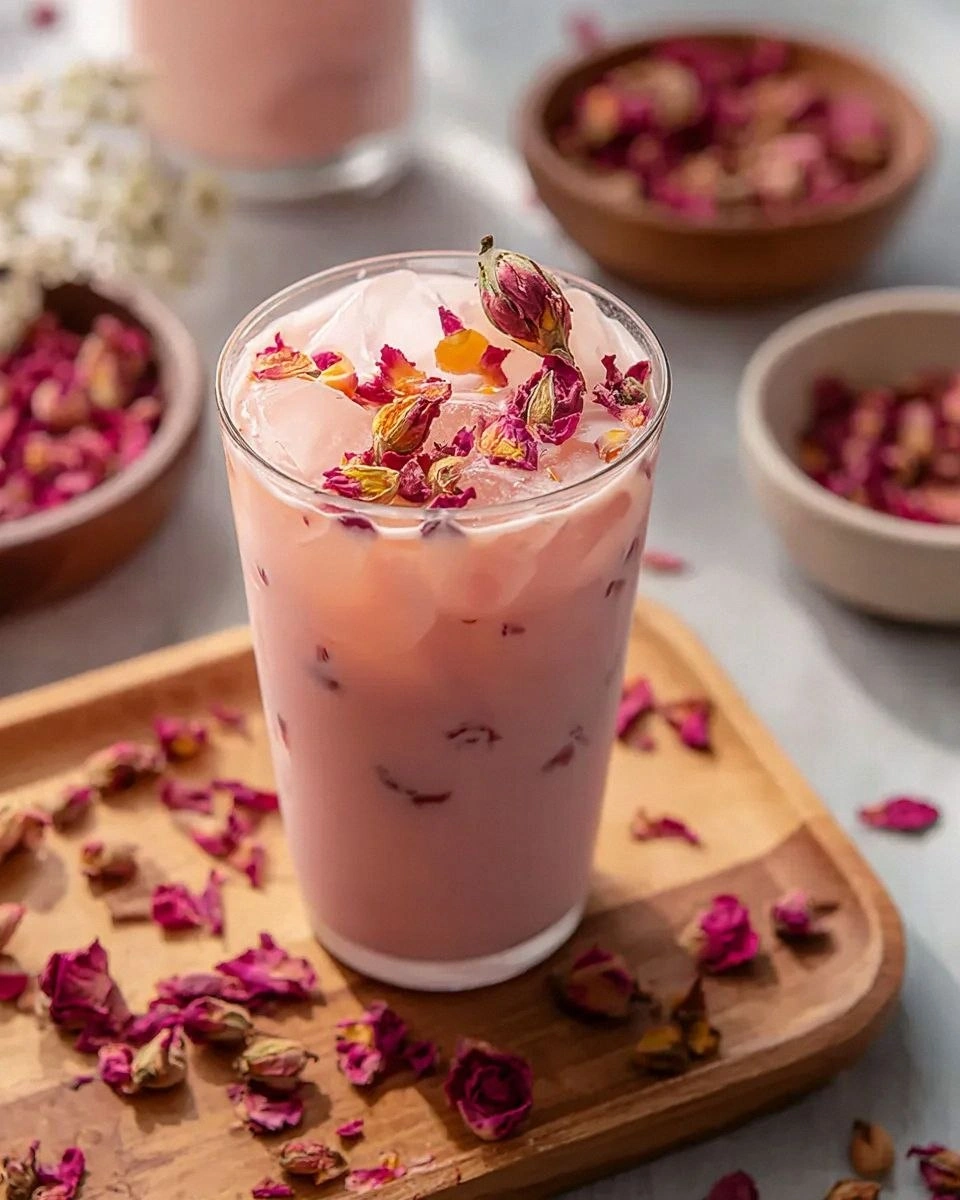
Now, let me set the stage with all five senses because that’s how we truly remember food. The glass is cool to the touch, condensation beading like tiny pearls that whisper promises of refreshment. When you bring it up, the aroma of freshly steeped tea mingles with the sweet, almost perfume‑like scent of rose petals, making your nose do a tiny happy dance. The first sip is a silky glide of milk, the tea’s earthiness hugging it like a warm blanket, and the rose flavor? It’s a subtle kiss that lingers just long enough to make you close your eyes and smile. The texture—whether you’ve added those chewy tapioca pearls or kept it sleek and smooth—adds a playful contrast that keeps every mouthful interesting.
What makes this version stand out from the sea of rose milk tea recipes floating around Instagram? Most get the rose flavor right but miss the balance, ending up with something that tastes like a floral soda or a bland milk tea. I’ve cracked the code by pairing the right tea strength with just enough rose to tease, not overwhelm, and using a milk that adds body without drowning the delicate notes. The secret weapon? A quick flash‑steep technique that locks in aroma while keeping the tea’s natural astringency in check. And there’s a tiny twist you won’t see elsewhere— a pinch of honey that caramelizes just enough to give a whisper of depth, turning the whole drink into something you’ll swear is handcrafted by a master barista.
Okay, ready for the game‑changer? I’m about to walk you through every single step, from selecting the perfect tea leaves to the exact moment you add the rose syrup so it doesn’t turn bitter. By the end, you’ll wonder how you ever made this drink any other way. Let’s dive in, and remember: if you’ve ever struggled with getting the right balance, you’re not alone — and I’ve got the fix.
What Makes This Version Stand Out
- Flavor Harmony: The tea’s robust character is perfectly countered by the rose’s delicate sweetness, creating a balanced profile that sings rather than shouts.
- Texture Play: Whether you opt for bouncy tapioca pearls or keep it silky, the mouthfeel adds an interactive element that makes each sip an adventure.
- Simplicity Meets Sophistication: Only seven core ingredients, yet each is treated with a technique that elevates the whole drink to café‑level quality.
- Ingredient Quality: Using high‑grade black or green tea and real dried rose petals (or premium rose syrup) ensures the floral notes are authentic, not artificial.
- Crowd Reaction: I’ve served this at brunches and watch the room light up; it’s the kind of drink that sparks conversation and Instagram stories alike.
- Make‑Ahead Potential: The tea base can be brewed in advance and stored, meaning you can assemble the final drink in minutes on a hot day.
- Customizable Sweetness: With honey, sugar, or rose syrup on the table, each guest can dial in their perfect level of sweetness without compromising the base.
- Seasonal Flexibility: This drink feels just as delightful in a summer heatwave as it does on a crisp autumn afternoon, thanks to the optional ice.
Inside the Ingredient List
The Flavor Base
Milk: Choose your favorite! Dairy milk offers creaminess, while plant‑based options like oat or almond milk lend a unique flavor that can complement the rose. If you skip the milk, you’ll lose that velvety mouthfeel that makes the tea feel like a dessert. For the richest texture, I recommend whole milk or a barista‑grade oat milk that froths nicely.
Tea: A black tea bag is classic, but green tea adds a lighter touch. The tea provides the backbone of bitterness that balances the rose’s sweetness. Using a high‑quality loose‑leaf tea can elevate the aroma; just remember to adjust steep time accordingly. If you’re feeling adventurous, try a jasmine‑scented tea for an extra floral layer.
The Texture Crew
Tapioca Pearls: Optional, but they add that fun bubble tea twist. Cook them until they’re translucent with a chewy center—overcooking makes them mushy, undercooking leaves a hard core. Rinse them in cold water and toss with a splash of honey to prevent sticking. If you’re not a fan of pearls, you can swap in chia seeds for a gel‑like texture.
Ice: Use it if you’re making the iced version—it’s refreshing on hot days! Ice not only chills the drink but also slightly dilutes it, softening any sharp edges from the tea. For a crystal‑clear look, use filtered ice cubes that haven’t absorbed freezer odors.
The Unexpected Star
Dried Rose Petals or Rose Syrup: Both give that signature floral flavor. Dried petals need to be steeped with the tea to infuse, while syrup can be added at the end for instant sweetness. If you can’t find rose petals, look for high‑quality syrup to sweeten your drink. Be mindful of the syrup’s sugar content; you may want to reduce added honey accordingly.
The Final Flourish
Honey or Sugar: Sweeten it up according to your taste. It’s optional, but that little extra sweetness can elevate your drink, especially if you’re using unsweetened plant milk. Honey adds a subtle caramel note that pairs beautifully with the rose, while sugar keeps the flavor clean and bright.
Water: This forms the base for steeping your tea and roses. Use filtered water for the purest flavor extraction. Boiling water can scorch delicate rose petals, so let it sit for a minute after boiling before you add the petals.
Everything's prepped? Good. Let's get into the real action...
The Method — Step by Step
-
Start by bringing 2 cups of filtered water to a rolling boil, then remove it from heat and let it sit for about 30 seconds. This slight cooling prevents the delicate rose petals from turning bitter while still keeping the water hot enough to extract the tea’s full flavor. Add 4 tea bags (or 4 teaspoons of loose‑leaf tea in an infuser) and 2 tablespoons of dried rose petals to the hot water. Let this mixture steep for exactly 3 minutes—watch the clock, because this is the moment where the tea and rose dance together without stepping on each other’s toes.
Kitchen Hack: After steeping, strain the tea through a fine‑mesh sieve directly into a heat‑proof pitcher, then immediately pour the hot tea over a tray of ice to “cold‑stop” the extraction. This preserves the bright tea notes and keeps the rose from over‑infusing. -
While the tea is still warm, stir in 2 tablespoons of honey (or your preferred sweetener) until fully dissolved. The warmth helps the honey integrate smoothly, creating a glossy sheen that signals the drink is on its way to perfection. Taste at this stage; you should notice a gentle sweetness that doesn’t overpower the tea’s natural astringency. If you prefer a less sweet version, reduce the honey to 1 tablespoon or substitute with a splash of maple syrup for a different depth.
-
Now, it’s time for the milk. Pour 2 cups of your chosen milk into the tea mixture and whisk vigorously for about 30 seconds. This emulsifies the liquids, giving the drink a luxurious, velvety texture. If you’re using plant‑based milk, a quick frother can add a light foam that mimics the mouthfeel of a classic milk tea. The moment the milk swirls in, you’ll notice a soft, fragrant aroma that hints at the rose waiting to emerge.
Watch Out: If you add the milk while the tea is still scorching hot, you risk curdling, especially with plant milks. Let the tea cool to around 70°C (158°F) before mixing. -
If you opted for rose syrup instead of petals, now is the moment to drizzle in 2 tablespoons. Stir gently so the syrup blends without creating a vortex that could break the foam. The syrup should dissolve instantly, painting the liquid a soft blush hue. For those using dried petals, skip this step and move directly to the next.
-
Prepare your tapioca pearls if you love that chewy surprise. Bring a pot of water to a rolling boil, add ½ cup of pearls, and cook for 20‑25 minutes, stirring occasionally. Once they’re translucent with a tiny white core, remove from heat, rinse under cold water, and toss them with a teaspoon of honey to keep them glossy. Let them sit for a few minutes; this resting period lets the pearls fully absorb the sweet coating.
Kitchen Hack: Store cooked pearls in a shallow container with a splash of simple syrup; this prevents them from drying out and keeps them chewy for up to 4 hours. -
Now, decide on the serving style. For a hot version, simply pour the tea‑milk mixture into pre‑warmed mugs, add a spoonful of pearls, and garnish with a pinch of dried rose petals for visual flair. For the iced version (my personal favorite on a sweltering afternoon), fill tall glasses with a handful of ice cubes, then pour the mixture over the ice, letting it cascade like a waterfall.
-
Garnish is where you get to be a little theatrical. Lightly crush a few rose petals between your fingertips and sprinkle them on top; they’ll float like delicate confetti. If you’re feeling extra fancy, add a thin slice of lemon or a sprig of mint for a contrasting aroma. This final touch isn’t just for looks—it adds a whisper of fresh scent that hits your nose right before the first sip.
-
Serve immediately and watch your guests’ eyes widen. The first sip should hit you with a creamy body, a subtle tea bite, and a lingering rose perfume that makes you want to close your eyes and sigh. I dare you to taste this and not go back for seconds. And now the fun part: experiment with the sweetness level or swap the tea base—each tweak creates a brand‑new adventure.
Fun Fact: The combination of tea’s catechins and rose’s antioxidants creates a synergy that may boost your mood and immune response.
That's it — you did it. But hold on, I've got a few more tricks that'll take this to another level...
Insider Tricks for Flawless Results
The Temperature Rule Nobody Follows
Most home cooks think “hot water = better extraction,” but the truth is a bit more nuanced. Aim for 80‑85°C (176‑185°F) when steeping delicate rose petals; any higher and the petals release a bitter, astringent note that can ruin the balance. I once tried boiling the petals straight away and ended up with a brew that tasted like over‑steeped black tea with a floral aftertaste—definitely not the elegant profile we’re after.
Why Your Nose Knows Best
Before you even taste, give the tea a quick sniff. If you detect a sharp, almost metallic scent, it means the tea has been over‑extracted. In that case, dilute a splash of cold water and adjust the sweetener; the aroma will mellow, and the flavor will follow suit. Trusting your nose saves you from a disappointing sip later on.
The 5‑Minute Rest That Changes Everything
After mixing milk and tea, let the concoction sit for five minutes. This short rest allows the flavors to meld, creating a smoother mouthfeel. I’ve seen people serve the drink immediately and complain it tastes “disjointed”—the rest period is the secret handshake between tea and milk that makes them best friends.
Pearl Perfection Protocol
If you love tapioca pearls, remember they’re living beings with feelings—just kidding, but they are sensitive to temperature. Cook them in slightly salted water; the salt helps keep the pearls from sticking together and adds a subtle flavor contrast. After cooking, shock them in an ice bath for 30 seconds; this stops the cooking process and gives them that perfect chew.
Sweetener Switcheroo
Honey works wonders, but if you’re catering to vegans or have a honey allergy, agave nectar or maple syrup are excellent substitutes. Both dissolve well in warm liquids and bring their own nuanced sweetness. I once swapped honey for agave and found the drink slightly lighter, which paired beautifully with a green tea base.
Creative Twists and Variations
This recipe is a playground. Here are some of my favorite ways to switch things up:
Matcha Rose Fusion
Swap the black tea for 2 teaspoons of culinary‑grade matcha powder. The earthy green notes pair surprisingly well with rose, creating a vibrant green‑pink hue. Add a splash of coconut milk for a tropical twist and garnish with toasted coconut flakes.
Spiced Autumn Version
Introduce a pinch of ground cinnamon and a dash of cardamom to the tea base. The warm spices echo the rose’s floral sweetness, making this a perfect cozy drink for cooler evenings. Serve hot, topped with a drizzle of caramel sauce.
Berry‑Burst Rose
Blend a handful of fresh raspberries or strawberries into the final drink for a fruity burst. The berries’ acidity balances the honey, while the pink color intensifies the rose aesthetic. This variation shines as a brunch centerpiece.
Vegan Coconut Delight
Replace dairy milk with full‑fat coconut milk and use agave nectar instead of honey. The coconut adds a buttery richness that complements the rose, turning the beverage into a tropical escape.
Cold Brew Rose Tea
Skip the hot steep entirely—combine tea bags, dried rose petals, and cold water in a jar, then refrigerate for 8‑12 hours. The result is a smoother, less astringent tea that’s perfect for hot summer days. Add ice and a splash of rose syrup for extra flair.
Alcoholic Nightcap
For an adult‑only version, add a shot of gin or vodka to the iced drink. The botanical notes of gin echo the rose, while vodka keeps the flavor clean. Serve in a coupe glass with a single rose petal floating on top.
Storing and Bringing It Back to Life
Fridge Storage
Transfer any leftover tea‑milk mixture into an airtight glass jar and refrigerate for up to 3 days. Before serving, give it a good shake to recombine any settled milk. If the flavor has dulled, add a splash of fresh rose syrup or honey to revive the perfume.
Freezer Friendly
You can freeze the base (without milk) in freezer‑safe bags for up to a month. Thaw overnight in the fridge, then stir in fresh milk and sweetener. This method is a lifesaver for busy mornings when you still crave that handcrafted feel.
Best Reheating Method
When reheating, use a low‑heat stovetop or a microwave at 50% power, stirring every 20 seconds. Add a tiny splash of water before reheating—this creates steam that brings the drink back to its original silkiness without scorching the milk.