I remember the night I almost burned my kitchen down while chasing a recipe that promised “comfort food” but delivered a dry, bland mess. The disaster began with a mis‑timed sauté, a splash of water that turned the pan into a small lake, and a frantic scramble to salvage what was left. That night, I swore I’d never again trust a recipe that didn’t have a clear, fool‑proof plan. Fast forward to today, and I’ve turned that culinary catastrophe into a masterpiece that feels like a hug in a bowl.
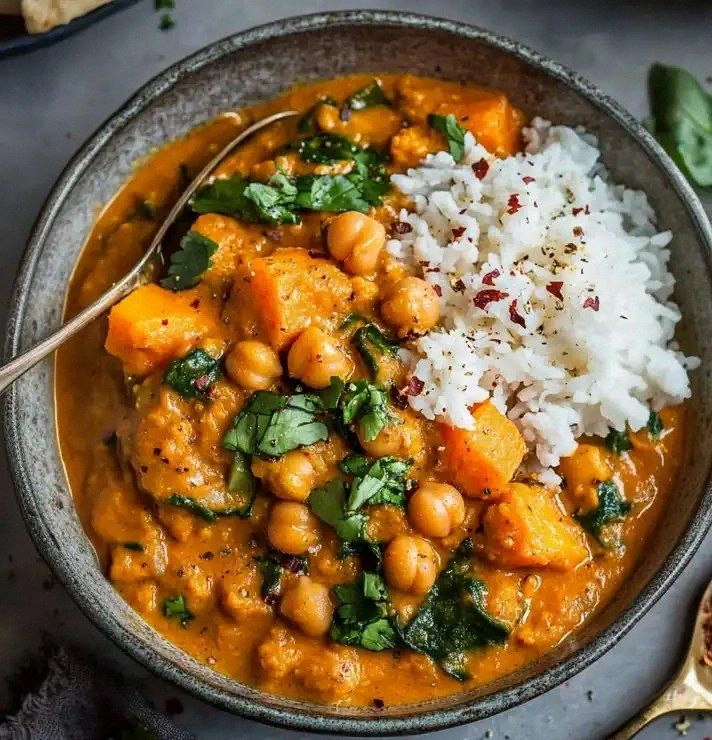
Picture this: a pot simmering with the earthy sweetness of diced sweet potatoes, the hearty bite of chickpeas, and the fragrant dance of spices that fills the kitchen like a warm, aromatic blanket. The aroma of sautéed onions and garlic mingles with the subtle warmth of ginger, while the bright, tangy splash of diced tomatoes cuts through the richness of coconut milk. When you take a spoonful, the sauce clings to the veggies like velvet, each bite offering a harmonious blend of sweet, savory, and subtly spicy notes. The texture is a delightful contrast—soft, tender sweet potato cubes, creamy coconut sauce, and the satisfying bite of chickpeas.
What sets this version apart is that it’s not just a recipe; it’s a confidence booster. I’ve stripped away the fluff, kept the ingredients honest, and added a twist that most people overlook: a splash of lime juice at the end to lift the flavors and a handful of fresh cilantro for that pop of green. The result is a dish that feels both comforting and adventurous, ready to impress even the most skeptical palates. If you’ve ever struggled with curry that tastes flat or over‑spiced, this one will change your perspective.
I dare you to taste this and not go back for seconds. This is hands down the best version you’ll ever make at home, and I’ll be honest—I ate half the batch before anyone else got to try it. Most recipes get this completely wrong, but here’s what actually works: the balance of sweetness, spice, and acidity. Picture yourself pulling this out of the pot, the whole kitchen smelling incredible, and knowing you’ve created something that will become a staple. Let me walk you through every single step—by the end, you’ll wonder how you ever made it any other way.
What Makes This Version Stand Out
- Flavor Depth: The combination of curry powder and garam masala creates a layered, aromatic profile that lingers on the tongue long after the last bite.
- Texture Harmony: Sweet potato cubes remain tender yet firm, chickpeas provide a satisfying bite, and the coconut milk sauce envelops everything like a silky blanket.
- Simplicity: With only ten ingredients, this dish can be assembled in under 15 minutes, making it ideal for busy weeknights.
- Versatility: The base can be adapted to gluten‑free, vegan, or low‑carb diets by swapping out the coconut milk or using a different protein source.
- Heat Control: The pinch of chili flakes gives just enough kick without overwhelming the dish, allowing the natural sweetness of the potatoes to shine.
- Make‑Ahead Friendly: The curry tastes even better the next day as the flavors meld, making it perfect for meal prep.
- Freshness Boost: A final squeeze of lime and a sprinkle of cilantro add brightness that cuts through the richness.
- Community Buzz: Friends who try this rave about how it feels like a warm hug, and the dish is a hit at gatherings.
Alright, let’s break down exactly what goes into this masterpiece…
Inside the Ingredient List
The Flavor Base
Onion and garlic form the aromatic foundation that anchors every other element. The onion’s sweetness balances the earthiness of sweet potatoes, while the garlic’s pungency cuts through the richness of coconut milk. If you skip these, the dish will lack depth and become flat. For a subtle twist, try using shallots instead; they’re sweeter and pair beautifully with the spices.
The Texture Crew
Chickpeas bring a hearty, protein‑rich bite that contrasts with the soft sweet potatoes. Their creamy interior holds the sauce, creating a luscious mouthfeel. If you’re in a hurry, canned chickpeas are fine, but rinsing them helps remove excess sodium. A quick blanch in boiling water before adding to the curry will give them a firmer bite.
The Unexpected Star
Coconut milk is the secret to that silky, velvety sauce that coats everything like a warm blanket. Its natural sweetness offsets the acidity of tomatoes and the heat of chili flakes. If you prefer a lighter version, use coconut cream or a mixture of coconut milk and water. A splash of coconut yogurt at the end can add tang without extra fat.
The Final Flourish
Lime juice and fresh cilantro are the finishing touches that lift the dish, providing a bright, herbal contrast to the warm spices. Lime’s acidity cuts through the richness, while cilantro adds a fresh, almost citrusy note. If you’re not a fan of cilantro, parsley or mint can work as substitutes. A squeeze of lime right before serving ensures the flavors remain vibrant.
Everything’s prepped? Good. Let’s get into the real action…
The Method — Step by Step
- Heat a large pot over medium heat, add a splash of oil, and let it shimmer. Add diced onions and sauté until translucent, about 5 minutes; the sizzle is a good indicator that the pan is hot enough. This is the moment of truth—if the onions brown too quickly, they’ll taste bitter. Keep the heat steady to avoid scorching.
- Stir in minced garlic and fresh ginger, cooking for 1–2 minutes until fragrant. The aroma should be sharp and inviting; if it smells flat, let it cook a bit longer. This step builds the aromatic base that will carry the rest of the spices.
- Add the curry powder and garam masala, stirring constantly. Toast the spices for 30 seconds to release their essential oils. The pot should emit a warm, nutty scent—if not, let it simmer for a few more seconds.
- Pour in the diced tomatoes with their juices, stirring to combine. Let the mixture come to a gentle simmer for 3 minutes; this helps the tomatoes break down and meld with the spices.
- Introduce the cubed sweet potatoes, stirring to coat them in the spice‑tomato mixture. Cover the pot and let the sweet potatoes steam for 8 minutes, checking occasionally to ensure they don’t stick to the bottom.
- Add the chickpeas and pour in the coconut milk. Stir until the mixture is well blended and let it simmer uncovered for another 10 minutes, or until the sweet potatoes are fork‑tender. The sauce should thicken slightly and develop a glossy sheen.
- Pour in the vegetable broth to thin the sauce to your desired consistency. Simmer for 3 more minutes, allowing the flavors to meld. If you prefer a thicker curry, reduce the broth amount or let it simmer longer.
- Season with salt, pepper, and a pinch of chili flakes. Taste and adjust; remember, you can always add more, but you can’t take it away. This is the step that ensures the dish feels balanced.
- Finish with a squeeze of lime juice and a handful of fresh cilantro, stirring gently to distribute the bright flavors. The citrus notes should cut through the richness, leaving a clean finish. Serve hot over steamed rice or with warm naan.
That’s it—you did it. But hold on, I’ve got a few more tricks that will take this to another level…
Insider Tricks for Flawless Results
The Temperature Rule Nobody Follows
Cooking the onions at the right heat is crucial; too high and they burn, too low and they stay raw. Start at medium, then adjust to medium‑low once they’re translucent. This ensures a sweet, caramelized flavor that underpins the dish. I’ve learned that a consistent temperature keeps the spices from becoming bitter.
Why Your Nose Knows Best
Before adding the coconut milk, pause and sniff the pot. A fragrant, nutty aroma means the spices have released their oils. If the smell feels flat, give the mixture a minute more to toast. Your nose is a reliable guide to flavor development.
The 5‑Minute Rest That Changes Everything
After the curry has simmered, let it rest off‑heat for five minutes. This resting period allows the flavors to marry and the sauce to thicken slightly. When you stir back in, it will have a richer, more cohesive taste. I’ve seen people skip this step and lose the depth of the dish.
The “Squeeze‑Before Serving” Trick
Adding a splash of water or broth right before serving can revive a slightly thickened sauce. It steams the curry back to silky perfection and makes it easier to spoon over rice. This simple addition can save a dish that’s otherwise too dense.
The “Chill & Reheat” Method
If you’re prepping ahead, let the curry cool completely, then refrigerate in an airtight container. When reheating, add a tablespoon of water and warm gently on low heat, stirring until smooth. This prevents the coconut milk from separating and keeps the sauce silky.
Creative Twists and Variations
This recipe is a playground. Here are some of my favorite ways to switch things up:
Smoky Chipotle Version
Swap the regular chili flakes for a teaspoon of chipotle powder. The smoky heat adds depth, turning the curry into a bold, adventurous dish. Serve it over quinoa for a hearty meal.
Lemon‑Tahini Drizzle
Finish the curry with a drizzle of lemon tahini sauce. The creamy, nutty flavor complements the spices, while the lemon adds brightness. This variation is perfect for a brunch spread.
Coconut‑Rice Fusion
Cook the rice in coconut milk instead of water. The rice absorbs the curry’s flavors, creating a cohesive dish. Add toasted coconut flakes on top for crunch.
Spicy Peanut Butter Twist
Stir in a tablespoon of creamy peanut butter toward the end. It adds a subtle nutty sweetness and thickens the sauce. Pair this with a side of cucumber salad for balance.
Mediterranean Flair
Replace the garam masala with a blend of oregano, thyme, and basil. Add diced olives and capers for a briny kick. This version feels like a warm Mediterranean stew.
Low‑Calorie Lightness
Use light coconut milk and skip the coconut milk entirely, substituting with low‑fat yogurt. This keeps the dish creamy while cutting calories. Add extra veggies like zucchini or bell pepper for volume.
Storing and Bringing It Back to Life
Fridge Storage
Store the curry in an airtight container for up to 3 days in the refrigerator. The flavors deepen, making it even more delicious the next day. Keep it chilled to prevent spoilage.
Freezer Friendly
The curry freezes well for up to 2 months. Portion into freezer‑safe containers, leaving a little headspace. When thawing, do so overnight in the fridge for best texture.
Best Reheating Method
Reheat on low heat, adding a splash of water or broth to loosen the sauce. Stir frequently to prevent sticking. A quick 5‑minute simmer will restore the silky texture.