I was staring at a half‑cooked omelette that had turned into a sad, dry slab, the kind that makes you wonder if you ever truly learned how to cook eggs. The kitchen smelled of burnt butter and regret, and my phone buzzed with a notification from a food blogger promising the “ultimate baked feta eggs with tomatoes” that would change my life. I laughed, because I’d seen countless variations, but deep down I craved something that would feel like a sunrise in a bowl. That night, I decided to throw caution to the wind and give this recipe a shot, determined to see if the hype was real. The result? A dish that sings with sunshine‑scented tomatoes, creamy feta, and a crackle of golden eggs that feels like a hug from the inside out.
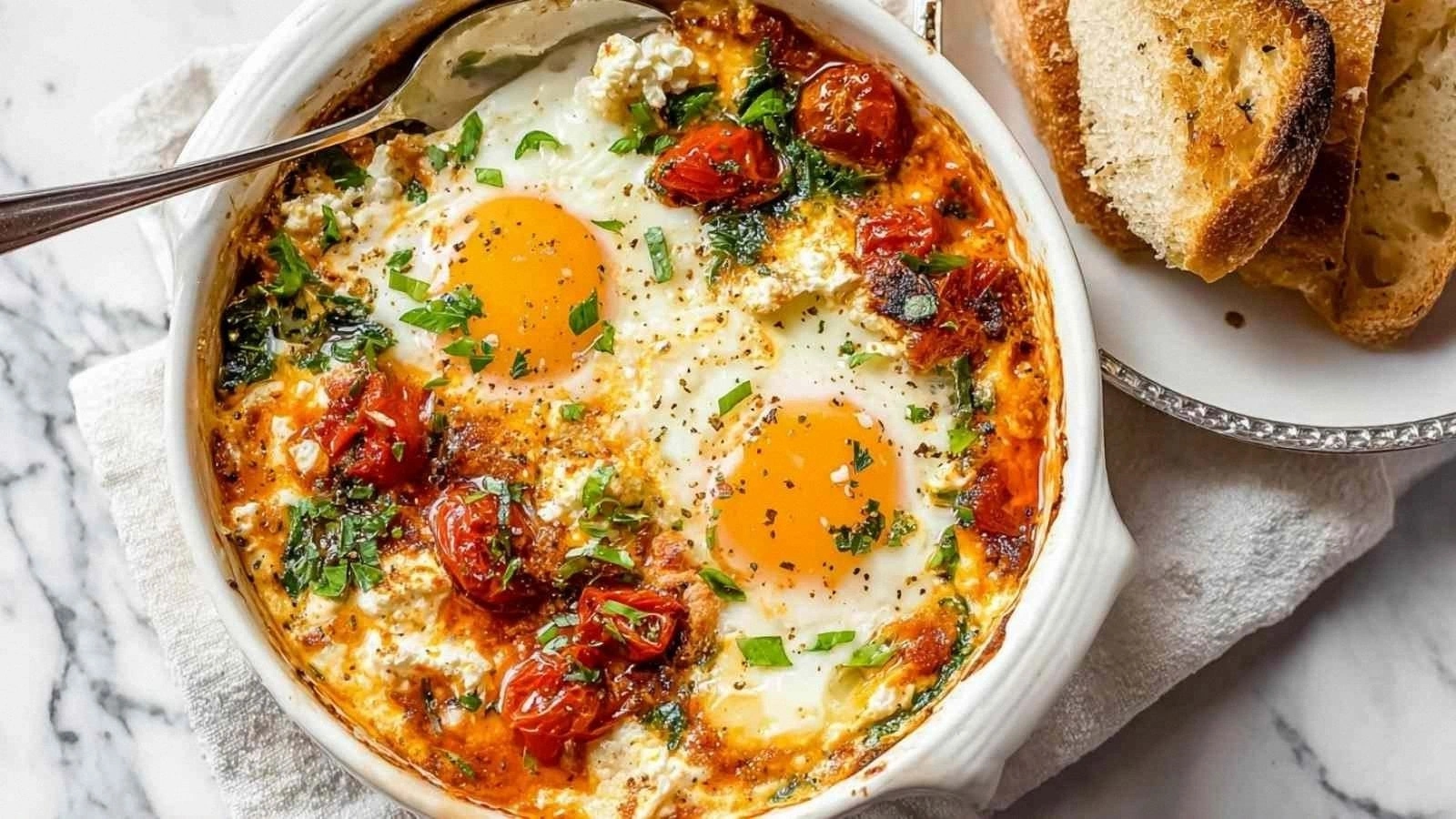
Picture the first bite: the bright, almost neon red of cherry tomatoes bursts against the rich, salty tang of feta, while the eggs crackle with a gentle, buttery sizzle that releases a comforting aroma of toasted olive oil and herbs. Your senses are assaulted in the best possible way: the visual pop of color, the audible pop of the egg whites, the mouth‑watering scent of oregano and thyme, the sweet tang of tomatoes, and the velvety texture that coats your tongue like a gentle lullaby. It’s not just food; it’s a memory of lazy Sunday mornings, of the way a kitchen can feel alive when the right ingredients collide. The moment you lift the first bite, you hear the faint crunch of a pepper and feel the heat from the oven, a reminder that comfort can be served hot and fresh. The taste is a balance of savory, slightly sweet, and a hint of peppery spice that lingers like a secret whisper.
What makes this version stand out is that it’s not just a recipe; it’s a carefully engineered flavor orchestra. I’ve stripped away the fluff, keeping only the essential ingredients that bring depth and brightness to every bite. The feta is pressed into a slab that melts into a creamy sauce, while the tomatoes remain slightly firm, providing a juicy counterpoint. The method ensures that the eggs bake evenly, with a golden crust that crackles like thin ice when you break the yolk. And the final sprinkle of basil or chives adds a fresh, herbal finish that lifts the dish into the realm of gourmet brunch.
I dare you to taste this and not go back for seconds. Most recipes get this completely wrong, leaving the feta too dry or the tomatoes mushy. Here’s what actually works: a gentle heat, a balanced seasoning, and a touch of olive oil that keeps everything silky. Picture yourself pulling this out of the oven, the whole kitchen smelling incredible, and the plate glistening with a golden sheen that invites the first forkful. The anticipation is real, the aroma is intoxicating, and the flavor profile is a revelation. If you’ve ever struggled with baked eggs, you’re not alone — and I’ve got the fix.
Okay, ready for the game‑changer? Let me walk you through every single step — by the end, you’ll wonder how you ever made it any other way. I’ll keep it playful, witty, and slightly opinionated, because cooking is a conversation, not a lecture. So grab your apron, and let’s dive into a dish that will make your taste buds dance and your friends jealous.
What Makes This Version Stand Out
- Flavor Fusion: The combination of salty feta and sweet tomatoes creates a taste profile that feels like a Mediterranean sunrise, with each bite offering a new layer of complexity.
- Texture Harmony: The eggs bake to a silky, slightly runny center while the feta melts into a luscious sauce, and the tomatoes stay juicy enough to pop with every bite.
- Simplicity at Its Best: With just a handful of ingredients and minimal prep, this dish proves that great flavor doesn’t require a long list of exotic spices.
- Visual Appeal: The vibrant reds of tomatoes and the creamy white of feta contrast beautifully, making the dish Instagram‑ready before you even taste it.
- Crowd‑Pleaser: Whether it’s a quick weekday breakfast or a weekend brunch, this recipe scales effortlessly and satisfies a variety of palates.
- Make‑Ahead Friendly: You can prep the veggies and feta in advance, then bake just before serving, saving precious time during busy mornings.
Inside the Ingredient List
The Flavor Base
Cherry or grape tomatoes are the heart of this dish. They provide a natural sweetness that balances the saltiness of the feta. When roasted, their skins blister slightly, releasing a caramelized flavor that lingers on your palate. If you’re out of fresh tomatoes, a can of whole tomatoes tossed with a splash of olive oil can work, but the fresh burst will always win.
Red bell pepper adds a crunchy bite and a subtle peppery sweetness that cuts through the richness of the eggs. Choose a pepper that’s firm yet slightly soft, so it softens during baking without becoming mushy. A small pinch of smoked paprika can enhance the pepper’s flavor, adding a subtle smokiness that elevates the dish.
The red onion, even though it’s only a half‑small, brings a sharp, sweet note that caramelizes during baking. Slice it thin so it blends seamlessly with the other veggies. If you prefer a milder taste, you can parboil the onion slices before adding them to the baking dish.
The Texture Crew
Feta cheese is the star that turns the dish into a creamy, savory masterpiece. Its crumbly texture melts into a silky sauce when baked at a moderate temperature, providing a luscious coating for the eggs. Using a block of feta rather than pre‑crumbled ensures a smoother melt and prevents the cheese from becoming too dry.
Olive oil is the unsung hero that keeps everything moist and adds a subtle fruity note. A drizzle of extra‑virgin olive oil at the beginning of baking creates a gentle sear on the tomato skins, enhancing their flavor. If you’re watching calories, a light spray of oil will still work, but the depth of flavor may be slightly diminished.
Baby spinach is a quick‑cooking leafy green that adds a splash of green and a mild earthiness. It wilts down dramatically, leaving a soft bed for the eggs. If you prefer a stronger spinach flavor, substitute with fresh spinach leaves and let them wilt for a minute longer.
The Unexpected Star
Fresh basil or chives serve as the final flourish, adding brightness that cuts through the richness. They also bring a fresh herbal aroma that makes the dish feel lighter. If you’re allergic to basil, a sprinkle of fresh parsley works well as a substitute.
The Final Flourish
The herbs and spices—dried oregano, dried thyme, sea salt, black pepper, and red pepper flakes—are the secret sauce that ties everything together. They’re not just seasoning; they’re the flavor backbone that ensures each bite is balanced and memorable. For a more complex flavor profile, add a pinch of smoked paprika or a splash of balsamic glaze after baking.
Everything’s prepped? Good. Let’s get into the real action.
The Method — Step by Step
- Preheat your oven to 375°F (190°C). Line a 9‑inch round baking dish or four ramekins with parchment paper to prevent sticking. Arrange the halved tomatoes, sliced bell pepper, and onion on the bottom, ensuring they’re evenly spread. Drizzle with 2 tablespoons of olive oil, then sprinkle with sea salt, black pepper, and red pepper flakes. This base sets the stage for the flavors to bloom.
- Place the feta block on top of the vegetables, cutting it into a 1/2‑inch slab. The feta should sit snugly, allowing the heat to melt it into a luscious sauce. If the feta is too thick, cut it into smaller pieces to ensure even melting. The goal is a creamy coating that clings to the eggs.
- Scatter the baby spinach over the feta, letting it wilt slightly in the oven. The spinach will release moisture, adding a subtle green hue and a gentle earthiness to the dish. A quick swirl of oregano and thyme over the top will help the herbs release their aroma.
- Using a spoon, create four shallow wells in the mixture. Crack one egg into each well, being careful not to break the yolk. The eggs should sit snugly against the feta, absorbing the melted cheese’s flavor. This step is where the dish’s heart begins to form.
- Cover the baking dish loosely with foil to trap steam, ensuring the eggs bake evenly. Bake for 18–20 minutes, or until the egg whites are set but the yolks remain slightly runny. The feta will be bubbling, and the tomatoes will have softened to a juicy consistency.
- Remove the foil and bake for an additional 2–3 minutes to develop a golden crust on the top. Watch the edges of the feta; they should pull away slightly, indicating that the cheese has melted into a silky sauce. If you prefer a crispier top, place the dish under the broiler for 30 seconds, watching carefully to avoid burning.
- Once baked, let the dish rest for 2 minutes. This short pause allows the flavors to settle and the feta sauce to thicken slightly. While resting, sprinkle fresh basil or chives over the top for a burst of color and freshness.
- Serve immediately, spooning the tomato and feta sauce over the eggs. Pair with crusty bread or a light salad for a balanced meal. The dish is ready to be devoured, and the aroma alone should be enough to make your taste buds dance.
- That’s it — you did it. But hold on, I’ve got a few more tricks that will take this to another level. These tweaks will transform a good dish into an unforgettable culinary experience.
Insider Tricks for Flawless Results
The Temperature Rule Nobody Follows
Many home cooks bake at a high temperature, hoping for a quick result. However, a moderate heat of 375°F (190°C) allows the eggs to cook evenly while the feta melts into a silky sauce. If you’re in a hurry, lower the temperature to 350°F (175°C) and add a few extra minutes; the eggs will still turn out perfectly runny.
Why Your Nose Knows Best
Your sense of smell is the first indicator of doneness. When the tomatoes release a sweet, caramelized aroma and the feta emits a rich, buttery scent, you know the dish is ready. Trust your nose, and you’ll avoid overcooking the eggs.
The 5‑Minute Rest That Changes Everything
Letting the dish rest for 2 minutes after baking is more than a courtesy; it allows the juices to redistribute, preventing a watery mess. The feta sauce thickens slightly, and the eggs become more cohesive. This small pause elevates the overall texture.
The Secret to a Crispy Edge
If you love a crispier top, finish the dish under the broiler for 30 seconds. Keep a close eye, as the feta can brown quickly. The result is a golden crust that adds a delightful crunch to every bite.
The “No‑Mess” Trick for Eggs
Use a spoon to create shallow wells before cracking the eggs; this prevents the yolks from spilling over the edges. If you’re prone to messy kitchens, this simple step saves you from a cleanup frenzy.
The Final Flourish
A handful of fresh herbs, whether basil or chives, added at the very end lifts the dish’s brightness. It also provides a contrasting color that makes the plate visually stunning. This final touch is a small effort for a huge payoff.
Creative Twists and Variations
This recipe is a playground. Here are some of my favorite ways to switch things up:
Mediterranean Twist
Swap the feta for goat cheese and add a splash of lemon zest. The goat cheese offers a tangier profile, while the lemon brightens the entire dish. This variation is perfect for a sunny brunch.
Spicy Cajun Kick
Replace the red pepper flakes with a pinch of Cajun seasoning and add diced jalapeños. The heat will be balanced by the creamy feta, creating a bold, flavorful experience.
Herb Garden Variation
Add a handful of fresh oregano, thyme, and rosemary to the baking dish. The herbs infuse the eggs with aromatic depth, turning the dish into a fragrant garden feast.
Vegan Version
Use a plant‑based feta alternative and replace the eggs with chickpea flour batter. The chickpea batter will set into a firm, protein‑rich texture while maintaining the dish’s comforting feel.
Breakfast Bowl Upgrade
Serve the baked eggs in a bowl with a side of sautéed kale and quinoa. The added protein and fiber make the dish a complete, balanced breakfast.
Gluten‑Free Option
Swap the bread for a gluten‑free toast or a slice of toasted polenta. The gluten‑free option keeps the dish accessible without compromising flavor.
Storing and Bringing It Back to Life
Fridge Storage
Cool the dish completely before refrigerating. Store in an airtight container for up to 2 days. The feta sauce may thicken, but a quick stir will restore its silky texture.
Freezer Friendly
For longer storage, freeze the baked eggs in a freezer‑safe container for up to 3 months. Thaw overnight in the fridge before reheating. This method preserves the flavor and texture without compromising quality.
Best Reheating Method
Reheat in a preheated oven at 350°F (175°C) for 10 minutes, or until warmed through. Add a tiny splash of water or milk before reheating to create steam and keep the feta sauce from drying out. Finish with a fresh sprinkle of herbs for that fresh‑out‑of‑oven aroma.