I was standing in my kitchen, the timer on the old toaster oven flashing red like a warning light, when a sudden craving for something that could simultaneously satisfy my love for the sea and my addiction to smoky meat hit me like a wave. I grabbed a battered pan, tossed a handful of potatoes into a pot, and tried to improvise a quick snack, only to end up with soggy, sad little lumps that tasted like disappointment. That disaster sparked a dare from my roommate: “Make something that’ll make us forget about that boring potato mash forever.” I accepted, but not before promising myself that the next thing I cooked would be so unforgettable that you’d be daring yourself to taste it and not go back for seconds.
Fast forward a few frantic grocery trips later, and I’m standing over a cutting board with chorizo, fresh squid, and a mountain of Maris Piper potatoes, each ingredient humming with its own personality. The chorizo sizzles in the pan, releasing a perfume of smoked paprika and cured pork that makes the whole kitchen feel like a bustling Spanish tapas bar. The squid, still glistening with a hint of brine, promises a tender bite that will contrast perfectly with the crispy, golden exterior of the fritters. And the potatoes? They’re the humble canvas that binds everything together, turning the mixture into a cohesive, bite‑size masterpiece.
What truly sets this version apart is the secret weapon: a saffron‑infused aioli that coats each fritter like a silk scarf, adding a subtle floral note that dances with the heat of the chorizo and the oceanic sweetness of the squid. Most recipes either skip the aioli altogether or drown the dish in a heavy mayo that masks the delicate flavors. I’m going to show you exactly how to balance those flavors without overwhelming the palate. Trust me, this is hands down the best version you’ll ever make at home.
I’ll also reveal a technique that most home cooks overlook – the “double‑coat” method that gives you a crust so crisp it shatters like thin ice when you bite into it, while keeping the interior buttery soft. It’s a little extra step, but the payoff is a fritter that sings with texture and flavor. Okay, ready for the game‑changer? Let me walk you through every single step — by the end, you’ll wonder how you ever made it any other way.
What Makes This Version Stand Out
- Flavor Fusion: The smoky heat of chorizo meets the briny sweetness of squid, creating a harmony that’s both bold and nuanced.
- Texture Symphony: A crunchy outer shell gives way to a melt‑in‑your‑mouth interior, thanks to the double‑coat technique.
- Simplicity: Despite the gourmet vibe, the ingredient list is short and the steps are straightforward.
- Unique Aioli: Saffron adds a luxurious, golden hue and a subtle earthy note that most fritter recipes miss.
- Crowd‑Pleaser: Serve them as an appetizer at a party and watch the room clear as everyone reaches for another.
- Ingredient Quality: Using Maris Piper potatoes ensures a fluffy interior, while authentic Spanish chorizo delivers that true smoky punch.
- Cooking Method: Shallow‑fry in vegetable oil at the perfect temperature for an even, golden finish.
- Make‑Ahead Potential: The fritters keep well refrigerated and re‑crisp beautifully with a quick flash in the oven.
Inside the Ingredient List
The Flavor Base
Chorizo is the heart‑beat of this dish. Its cured pork and paprika‑infused fat render out during cooking, creating a flavorful oil that seasons the potatoes and squid from the inside out. If you skip it, you’ll lose that smoky depth and the dish will feel flat. Look for a good Spanish chorizo with a deep red color and a firm texture; cheap varieties can be overly salty or lacking in that characteristic smoky aroma.
The Texture Crew
Maris Piper potatoes are the unsung heroes. Their high starch content means they break down into a fluffy mash that binds the fritters without becoming gummy. If you’re forced to substitute, Yukon Gold works in a pinch, but you’ll miss some of the airy lightness. The squid, sliced into rings, adds a tender chew that contrasts with the crisp crust. Over‑cooking squid makes it rubbery, so a quick blanch before mixing is key.
The Unexpected Star
Saffron threads, though pricey, are worth every cent. They dissolve into a golden elixir that flavors the aioli with a subtle earthiness and a luxurious color. If you’re on a budget, a pinch of turmeric can mimic the hue, but the flavor will be entirely different. A pro tip: crush the threads between your fingers before steeping to release more pigment.
The Final Flourish
Plain flour acts as the binding agent, giving the fritters structure while staying neutral enough not to mask the bold flavors. Smoked paprika and a teaspoon of salt amplify the chorizo’s smokiness and balance the brine of the squid. Parsley adds a fresh, herbaceous finish, while the garlic in the aioli provides that familiar punch that makes you think, “Yes, this is comfort food with a twist.”
Everything's prepped? Good. Let's get into the real action…
The Method — Step by Step
Start by boiling the Maris Piper potatoes in salted water until they are fork‑tender, about 12‑15 minutes. Drain them well and let them steam dry for a couple of minutes – this step is crucial because excess moisture will sabotage the crispness later. Mash the potatoes until smooth, then set aside to cool slightly. That sizzle when the potatoes hit the pan? Absolute perfection.
While the potatoes are cooking, dice the chorizo into half‑inch cubes. Heat a large skillet over medium heat and add the chorizo, letting it render its fat for about 4‑5 minutes until it turns a deep mahogany and releases a fragrant smoke. Use a slotted spoon to transfer the chorizo to a bowl, leaving the rendered oil in the pan – you’ll use this oil later to fry the fritters, infusing them with that smoky essence.
Finely chop the onion and red chili; if you prefer less heat, remove the seeds from the chili. Toss them into the same skillet with the chorizo oil and sauté for 3‑4 minutes until the onion becomes translucent and the chili softens. This aromatics base is the secret behind the depth of flavor that most recipes miss.
Quick‑blanch the squid rings in boiling water for just 30 seconds, then shock them in ice water. Pat them dry with paper towels. This step locks in moisture, preventing the squid from turning rubbery during frying. If you skip the ice bath, you’ll notice the texture shift from buttery to chewy, and nobody wants that.
In a large mixing bowl, combine the mashed potatoes, sautéed onion‑chili mixture, crumbled chorizo, and the blanched squid. Sprinkle in the plain flour, smoked paprika, and a teaspoon of salt. Gently fold everything together until just combined – over‑mixing will develop gluten and make the fritters dense.
Beat the two large eggs in a separate bowl, then pour them into the fritter mixture. The eggs act as a binder, ensuring each bite holds together during frying. Once incorporated, fold in the chopped parsley for a fresh pop of green.
Heat 500 ml of vegetable oil in a deep, heavy‑bottomed pan to 175 °C (350 °F). Use a thermometer – temperature is the difference between a golden crust and a greasy mess. Test the oil with a tiny spoonful of batter; if it bubbles and rises to the surface within 2‑3 seconds, you’re ready.
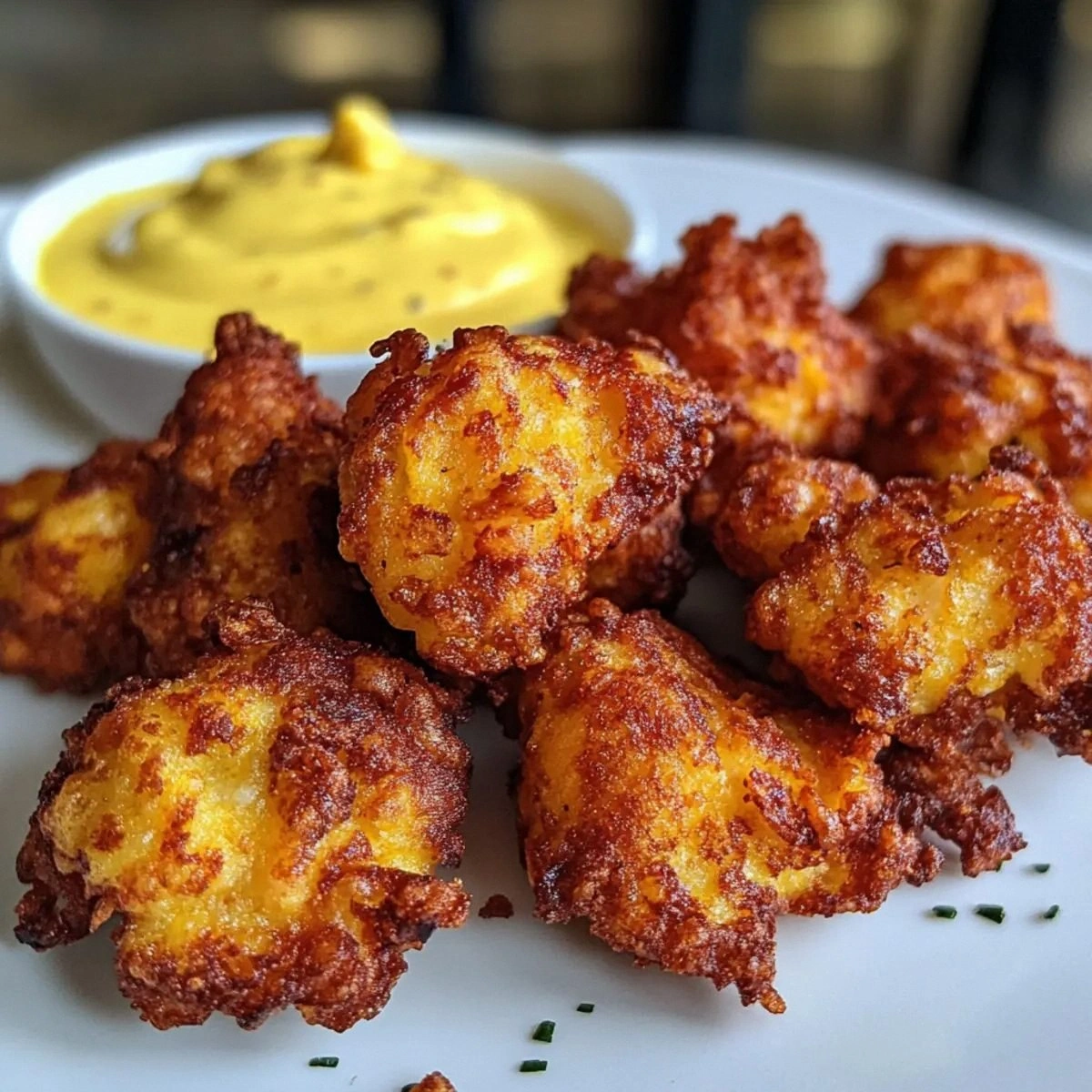
Using a heaping tablespoon, drop portions of the batter into the hot oil, flattening them gently with the back of the spoon to about ½‑inch thickness. Fry for 3‑4 minutes per side, or until each side is a deep, uniform gold and the edges start pulling away from the pan. That moment when the edges begin to separate? Pure magic.
Transfer the cooked fritters onto a wire rack set over a baking sheet to drain excess oil. This keeps the bottom from getting soggy and maintains the crispness. While they rest, whisk together the saffron aioli: combine the two egg yolks, minced garlic, lemon juice, and a pinch of salt in a stainless steel bowl. Slowly drizzle in 200 ml of neutral oil while whisking vigorously until the mixture emulsifies into a thick, glossy sauce.
Steep the saffron threads in a tablespoon of hot water for 5 minutes, then stir the infused liquid into the aioli. The sauce will take on a luminous golden hue and a delicate floral aroma that elevates the entire dish. Taste and adjust salt if needed – remember, the chorizo already brings saltiness, so go easy.
Plate the fritters on a rustic wooden board, drizzle generously with the saffron aiobi, and garnish with a sprinkle of fresh parsley. Serve hot, and watch as your guests dive in, their faces lighting up with each bite. I dare you to taste this and not go back for seconds – the combination is that addictive.
That's it — you did it. But hold on, I've got a few more tricks that'll take this to another level…
Insider Tricks for Flawless Results
The Temperature Rule Nobody Follows
Most home cooks set the oil to “medium‑high” and hope for the best, but oil temperature is a science. Keep your thermometer in the oil at all times; when it dips below 160 °C, the fritters will soak up oil, and above 190 °C they’ll burn before the interior cooks. The sweet spot is 175 °C – stay vigilant and you’ll achieve that perfect golden crust every time.
Why Your Nose Knows Best
Before you even look at the fritters, trust your sense of smell. A nutty, toasted aroma means the flour is caramelizing just right, while a faint hint of burnt oil signals you need to lower the heat. If you ever find yourself uncertain, take a quick sniff – it’s the fastest quality control you have.
The 5‑Minute Rest That Changes Everything
After frying, let the fritters rest on a wire rack for at least five minutes. This short pause lets steam escape, preventing the bottom from becoming soggy and allowing the interior to settle. I once skipped this step and served them immediately; the result was a mushy mess that no amount of sauce could rescue.
Egg Yolk Emulsion Mastery
When making the saffron aioli, the key is a slow oil drizzle. If you pour the oil too fast, the mixture will split. Use a steady hand and a whisk, and you’ll end up with a velvety sauce that clings to each fritter like a lover’s embrace. For extra stability, you can add a teaspoon of warm water to the yolk mixture before emulsifying.
Seasoning the Oil
After the first batch of fritters, the oil is already flavored with chorizo fat. Instead of discarding it, keep frying the remaining batches – the flavor compounds will intensify, giving each subsequent fritter an even richer taste. Just be sure to strain out any solid bits to keep the oil clear.
Creative Twists and Variations
This recipe is a playground. Here are some of my favorite ways to switch things up:
Spicy Chipotle Kick
Swap the red chili for a finely chopped chipotle in adobo sauce and add a teaspoon of chipotle powder to the batter. The result is a smoky heat that pairs beautifully with the saffron aioli, making each bite a bold adventure.
Herb‑Infused Delight
Replace parsley with a mix of fresh thyme and rosemary. The aromatic herbs bring a woodland note that contrasts nicely with the sea‑sweetness of the squid. This version shines when served alongside a light white wine.
Cheesy Overload
Fold in 50 grams of grated Manchego cheese into the batter. The cheese melts during frying, creating pockets of gooey richness that make the fritters even more indulgent. Just be mindful of the extra salt from the cheese.
Vegan Adaptation
Replace the chorizo with plant‑based Spanish chorizo, use chickpea flour instead of wheat flour, and swap the egg yolk aioli for a cashew‑based saffron sauce. The textures remain satisfying, and the flavors stay true to the original concept.
Mediterranean Twist
Add diced sun‑dried tomatoes and a handful of Kalamata olives to the batter. The salty, tangy notes echo the Mediterranean coast and give the fritters a beautiful speckled appearance.
Storing and Bringing It Back to Life
Fridge Storage
Place cooled fritters in an airtight container lined with paper towels to absorb excess moisture. They’ll keep fresh for up to three days. When ready to serve, re‑heat in a hot oven at 200 °C (400 °F) for 8‑10 minutes, and they’ll regain their crunch.
Freezer Friendly
Arrange the fully cooled fritters on a parchment‑lined tray and freeze until solid (about 2 hours). Transfer them to a zip‑top freezer bag. They’ll stay good for up to two months. To re‑heat, bake straight from frozen at 220 °C (425 °F) for 12‑15 minutes – no need to thaw.
Best Reheating Method
For ultimate crispness, finish reheating in a hot skillet with a splash of oil. Add a tiny splash of water to the pan and cover for the first minute; the steam revives the interior while the oil restores the crust. The result is practically fresh‑out‑of‑the‑pan.