Picture this: a scorching summer afternoon, the kitchen humming, and the fridge screaming for something bright, refreshing, and protein‑packed. I was halfway through a bland stir‑fry, and a sudden craving for something that could double as a meal and a snack hit me like a sudden gust of wind. I reached for the pantry, rummaged through the freezer, and pulled out a bag of shelled edamame that had been sitting there for weeks. That moment sparked a culinary experiment that would soon become my go‑to recipe.
First, the aroma: a gentle, nutty scent of quinoa rising as it cooks, mingling with the faint, sweet fragrance of fresh bell pepper. Then the sound: a satisfying hiss when the oil meets the pan, the gentle splash of vinegar in the dressing, and the crisp snap of veggies as I toss them together. The sight is a kaleidoscope of colors—emerald edamame, ruby pepper, crisp cucumber, golden carrots, and a sea of shredded cabbage that glistens under the dressing. Taste-wise, it starts with the subtle earthiness of quinoa, then a burst of sweet pepper, followed by a silky, umami‑laden sauce that coats each grain and bean like velvet. And the texture? A delightful contrast between the tender, slightly chewy edamame and the crunchy, fresh vegetables, all held together by a light, silky dressing.
This version stands out because it balances protein, crunch, and flavor in a single bowl, making it a versatile option for lunch, dinner, or a party starter. The use of tamari instead of soy sauce keeps the dish low‑gluten and adds a richer, deeper umami punch that traditional recipes often miss. The maple syrup and sesame oil together create a sweet‑savory glaze that lingers on the palate without overpowering the fresh veggies. I dare you to taste this and not go back for seconds—once you try it, you’ll be hooked. And if you’ve ever struggled with salad boredom, this one is a game‑changer that will keep your taste buds dancing.
One of the secrets that sets this salad apart is a quick blanching technique that preserves the bright color and crispness of the edamame, making each bite pop. You’ll learn how to bring out the natural sweetness of the veggies, how to balance the dressing so it coats without drowning, and how to finish with a sprinkle of sesame seeds that adds a nutty crunch. Plus, I’ll share a tiny hack that turns a simple salad into a crowd‑pleasing dish that can be made ahead and served at a potluck. By the end of this post, you’ll wonder how you ever made it any other way.
What Makes This Version Stand Out
- Taste: The dressing marries sweet maple syrup, savory tamari, and aromatic sesame oil into a silky sauce that wraps every grain and bean. The result is a flavor profile that feels both comforting and adventurous, making it a hit with both kids and adults.
- Texture: The combination of fluffy quinoa, tender edamame, and crisp, fresh vegetables creates layers of mouthfeel that keep you chewing happily. Each bite delivers a satisfying snap before melting into the silky dressing.
- Simplicity: With only fifteen ingredients, this recipe requires minimal prep time and no fancy equipment. It’s a recipe that can be whipped up in under an hour, even on a busy weekday.
- Uniqueness: The use of tamari and maple syrup sets this dish apart from the usual vinaigrette‑drizzled salads, offering a deeper umami and a subtle sweetness that lingers.
- Crowd Reaction: Friends who have tried this version rave about its vibrant colors and the way the dressing coats without becoming heavy. They often ask for the recipe after every gathering.
- Ingredient Quality: Choosing fresh, organic veggies and high‑quality quinoa elevates the dish, making each component shine on its own and in harmony.
- Cooking Method: The quick blanching of edamame preserves its bright color and firm bite, while the gentle simmer of quinoa ensures it remains fluffy and light.
- Make‑ahead Potential: The salad can be assembled a day ahead and refrigerated, allowing flavors to meld while keeping the veggies crisp.
Alright, let's break down exactly what goes into this masterpiece...
Inside the Ingredient List
The Flavor Base
Tamari is the secret sauce that replaces ordinary soy sauce, adding depth without the sodium spike. When you whisk it with sesame oil, a splash of rice wine vinegar, and a drizzle of maple syrup, you create a dressing that balances sweet, salty, and umami in one silky coat. If you can’t find tamari, a low‑sodium soy sauce works, though you’ll need to reduce the salt slightly. The sesame seeds add a nutty crunch that contrasts the smooth dressing, while garlic and ginger powders give a subtle kick that lingers on the palate. A pinch of salt and pepper finalizes the flavor profile, allowing the other ingredients to shine.
The Texture Crew
Quinoa is the backbone of this salad, providing a chewy, nutty base that holds the dressing and vegetables together. It’s also a complete protein, making the dish satisfying even for vegetarians. Shelled edamame adds a burst of green color and a creamy, slightly sweet flavor that balances the acidity of the dressing. Red bell pepper brings a crisp bite and a pop of color that turns the salad into a visual feast. Cucumber adds a refreshing crunch, while carrot contributes a subtle earthiness and a sweet undertone. The cabbage or coleslaw mix offers a tender crunch that melts into the dressing, creating a harmonious mouthfeel.
The Unexpected Star
Green onions are the unsung hero that brings a bright, oniony aroma to the dish. They add a layer of flavor that cuts through the richness of the sesame oil and maple syrup. If you prefer a milder taste, you can halve the amount or replace them with scallions for a sweeter note. Their thin, crisp texture also provides a delightful contrast to the softer vegetables and beans.
The Final Flourish
A tablespoon of neutral oil, such as canola or grapeseed, is used to lightly sauté the vegetables before mixing, which brings out their natural sweetness. This small step elevates the overall flavor profile and adds a subtle depth that a raw salad simply can’t achieve. The sesame seeds, sprinkled on top at the end, add a final crunch that makes each bite feel complete. If you’re in a hurry, you can skip the sautéing step, but the extra step rewards you with a richer taste.
Everything's prepped? Good. Let's get into the real action...
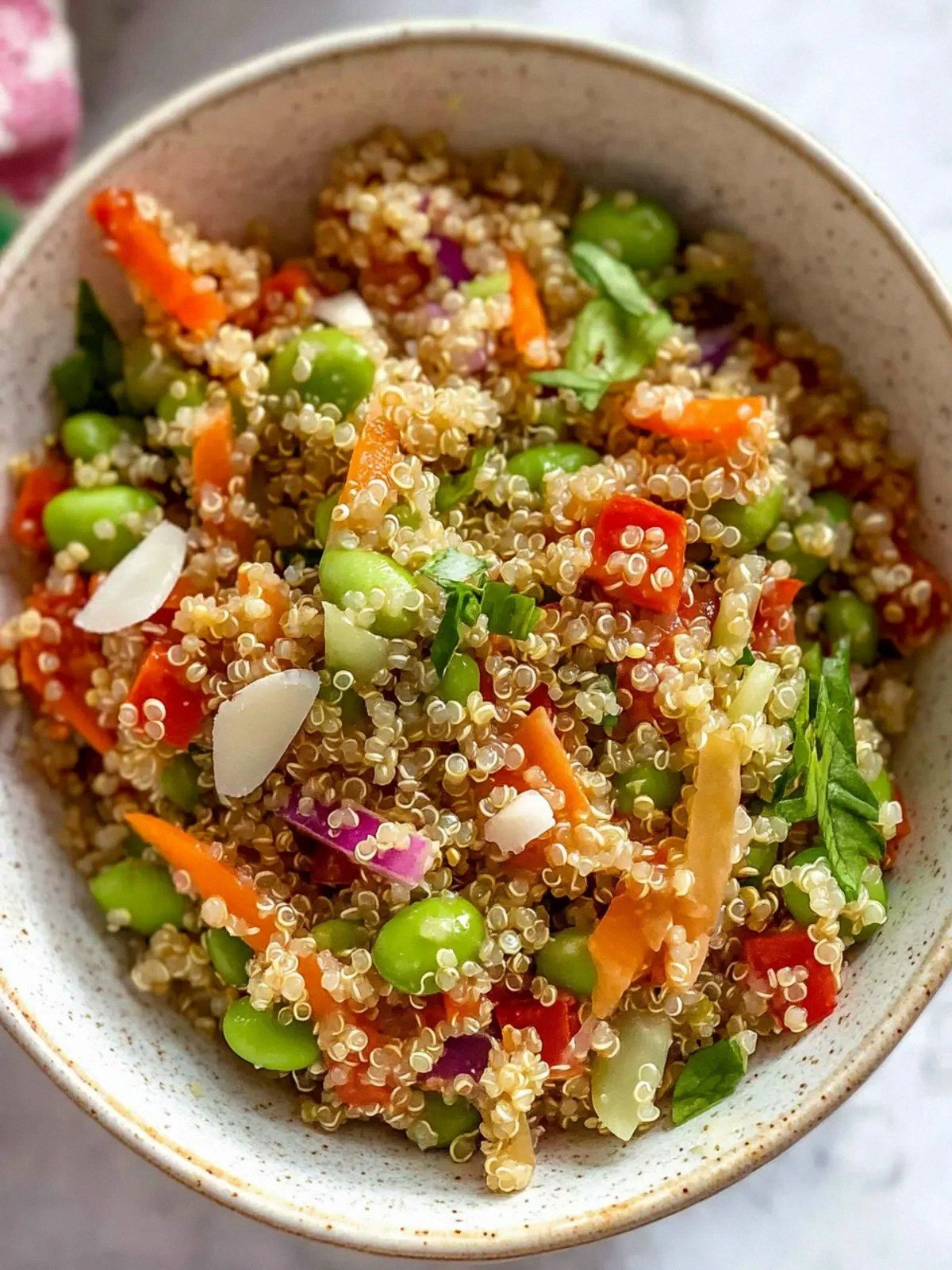
The Method — Step by Step
- Step 1: Rinse one cup of quinoa under cold water until the water runs clear. This removes the natural bitterness from the saponin coating. Transfer the quinoa to a medium saucepan, add two cups of water or low‑sodium broth for extra flavor, and bring to a gentle boil. Once boiling, reduce heat to low, cover, and let it simmer for about 15 minutes, or until the liquid is absorbed and the grains are fluffy. Fluff with a fork and set aside to cool slightly.
- Step 2: While the quinoa cooks, bring a pot of salted water to a rolling boil. Add one cup of shelled edamame and blanch for 2 minutes. The quick blanching locks in the bright green color and preserves the firm bite. Drain immediately and plunge into ice water to halt the cooking process. Pat dry with a towel and set aside.
- Step 3: Dice one red bell pepper, one cup of cucumber, and one cup of carrot into bite‑sized cubes. Shred two cups of cabbage or coleslaw mix finely, then slice four green onions into thin rings. Toss the vegetables together in a large bowl. If you prefer a slightly caramelized flavor, heat a tablespoon of neutral oil in a skillet over medium heat, add the veggies, and sauté for 2–3 minutes until just softened. They should still retain a crisp snap.
- Step 4: In a small bowl, whisk together two tablespoons of tamari, one tablespoon of sesame oil, one tablespoon of neutral oil, one tablespoon of maple syrup, one tablespoon of rice wine vinegar, one tablespoon of sesame seeds, one teaspoon of garlic powder, and a half teaspoon of ginger powder. Season with salt and pepper to taste. The dressing should be smooth, slightly thick, and glossy. This is the flavor engine that will bind everything together.
- Step 5: Add the cooked quinoa and blanched edamame to the bowl of vegetables. Pour the dressing over the mixture and gently toss until every element is evenly coated. The quinoa should be visibly glossy, and the edamame should be glistening with the sesame oil.
- Step 6: Let the salad sit for five minutes at room temperature. This brief rest allows the flavors to meld and the dressing to seep into the quinoa and edamame. During this time, the vegetables will absorb a subtle sweetness from the maple syrup and a hint of nuttiness from the sesame seeds. If you’re in a hurry, you can skip the rest, but the extra minutes make the difference between good and great.
- Step 7: Before serving, give the salad a final gentle toss. Sprinkle additional sesame seeds for crunch and a dash of pepper for brightness. Watch out: if you add too much salt at this point, the dressing can become overpowering. Keep the seasoning light so the fresh vegetables still shine.
- Step 8: Transfer the salad to a serving bowl or individual containers. If you’re serving at a potluck, a large bowl with a lid works best; the salad will stay vibrant for several hours when refrigerated.
- Step 9: Garnish with a final sprinkle of green onions for a burst of freshness. If you like a touch of heat, add a pinch of red pepper flakes. The combination of sweet, savory, and slightly spicy elements makes each bite an adventure.
- Step 10: Serve chilled or at room temperature, depending on the occasion. Pair it with grilled tofu, shrimp, or a slice of crusty bread for a complete meal. I dare you to taste this and not go back for seconds—once you try it, you’ll be hooked.
That's it — you did it. But hold on, I've got a few more tricks that'll take this to another level...
Insider Tricks for Flawless Results
The Temperature Rule Nobody Follows
Many people think cooking quinoa at any temperature works, but a gentle simmer is key. A high boil can cause the grains to break apart, resulting in a mushy texture. By maintaining a low, steady simmer, you preserve the fluffy structure of quinoa, which in turn holds the dressing and veggies better. If you’re in a rush, simply let the pot sit off the heat for a few minutes after the water is absorbed; this helps the grains steam and stay light.
Why Your Nose Knows Best
Before you add the dressing, give the quinoa a sniff. If it smells slightly bitter, rinse it again or let it steam longer to remove any residual saponin. A neutral, nutty aroma indicates that the quinoa is ready to absorb flavors. This simple nose test saves you from an off‑taste salad and ensures every grain is a flavor sponge.
The 5-Minute Rest That Changes Everything
Letting the salad rest after dressing is not just a suggestion—it's a necessity. During this brief interval, the quinoa and edamame soak up the dressing, allowing the sweet maple syrup to mellow into a subtle glaze. Skipping this step can leave the salad feeling dry and under‑seasoned. For those who love a crunchy salad, you can add the dressing just before serving; just remember the rest period is what gives it depth.
Keep It Cool, Keep It Fresh
If you’re storing the salad, keep it in an airtight container in the fridge. The dressing will continue to meld, but the vegetables may lose some crunch. To preserve crispness, add a paper towel to the container to absorb excess moisture, or toss the salad again with a splash of rice wine vinegar right before serving.
Swap the Greens, Keep the Goodness
Feeling adventurous? Swap the cabbage mix with spinach or kale for a different texture and a boost of iron. Just blanch the greens briefly to keep them bright and tender, then toss them with the dressing. The result is a leafy green version that still carries the same umami punch.
Make It Gluten-Free Without a Hitch
Tamari is naturally gluten‑free, but always double‑check the label to be sure. If you’re avoiding all traces of gluten, replace the tamari with coconut aminos, which provides a similar savory depth. The rest of the ingredients remain the same, and the flavor profile stays intact.
Creative Twists and Variations
Protein Power Upgrade
Add grilled tofu or shrimp to the salad for a protein boost that turns it into a full‑blown meal. The smoky flavor of the tofu or the briny sweetness of shrimp complements the sweet‑savory dressing, creating a balanced profile that satisfies even the heartiest appetite.
Spicy Kick Edition
Stir in a tablespoon of sriracha or a pinch of cayenne pepper for a fiery version. The heat cuts through the richness of the sesame oil and adds an exciting contrast. Serve it alongside a cooling cucumber yogurt dip to balance the spice.
Vegan Protein Swap
Replace the quinoa with cooked lentils for a lower-carb, higher‑fiber alternative. The lentils absorb the dressing beautifully and add a hearty texture. This version is perfect for those who want a plant‑based protein punch without sacrificing flavor.
Nutty Crunch Variation
Swap the sesame seeds for toasted pumpkin or sunflower seeds. The nutty crunch adds a new dimension of flavor and a dose of healthy fats. It also gives the salad a warm, earthy undertone that pairs well with the sweet maple syrup.
Fresh Herb Infusion
Add a handful of fresh cilantro or basil to the mix. The herbs bring a bright, aromatic note that lifts the entire dish. They also provide a burst of color that makes the salad even more visually appealing.
Sweet and Salty Combo
Incorporate a handful of dried cranberries or raisins for a sweet contrast. The dried fruit adds chewiness and a pop of color, while the salty dressing balances the sweetness. This version is ideal for a holiday gathering or a festive brunch.
Storing and Bringing It Back to Life
Fridge Storage
Store the salad in an airtight container in the refrigerator for up to three days. The dressing will continue to meld, but the vegetables may lose some crunch. To keep the salad crisp, add a paper towel to absorb excess moisture and toss the salad with a splash of rice wine vinegar before serving.
Freezer Friendly
While quinoa and edamame freeze well, the vegetables may become soggy. For a freezer‑ready version, prepare the quinoa and edamame, then mix with the dressing and vegetables just before freezing. Store in a freezer‑safe container for up to two weeks. Thaw in the fridge overnight and give the salad a quick toss before serving.
Best Reheating Method
If you need to reheat the salad, use the microwave on low power for 30–45 seconds, then stir in a splash of water to restore moisture. Alternatively, gently warm the salad in a skillet with a splash of oil, stirring constantly, until it’s just heated through. This method preserves texture and flavor better than the microwave.