Introduction
Picture this: I was in a rush, the clock was ticking, and the only thing left in the fridge was a bag of frozen veggies and a box of noodles. I tossed everything into a pan, hoping for a quick fix, and ended up with a soggy mess that tasted like disappointment. That night, a friend dared me to turn that disaster into a dish that would make us both beg for seconds. I swore I’d find a way to turn humble ingredients into a flavor explosion.
The moment the noodles hit the hot oil, a sizzling hiss erupted, sending a wave of aromatic steam into the air. The vegetables popped with bright colors, their skins crackling like thin ice. I could almost taste the silky sauce coating each strand, the umami of soy and hoisin mingling with a hint of ginger. The aroma was a promise of comfort and adventure, a blend of familiar and daring.
What makes this version stand out isn’t just the ingredients—it’s the rhythm of the cooking process, the balance of sweet, salty, and slightly spicy, and the way every component talks to the others. It’s a dish that respects the veggies, lets the noodles breathe, and delivers a sauce that clings like velvet. Most lo mein recipes stumble over soggy noodles or bland sauce; this one hits every mark with precision.
And here’s the kicker: I discovered a simple trick that turns plain soy sauce into a glossy, fragrant glaze in seconds. That secret will make the dish shine without extra calories or fuss. Ready to dive in? Let me walk you through every single step — by the end, you'll wonder how you ever made it any other way.
What Makes This Version Stand Out
- Flavor: A balanced sauce that layers umami, sweetness, and a subtle heat, creating depth without overpowering the veggies.
- Texture: Noodles that stay al dente, vegetables crisp-tender, and a sauce that glazes without weighing down the dish.
- Simplicity: A streamlined prep that requires minimal chopping and a single pan.
- Uniqueness: The addition of a quick cornstarch slurry that thickens the sauce instantly, a twist most recipes miss.
- Crowd Reaction: Even the pickiest eaters rave—“I can’t believe how fresh it tastes!”—making it a hit at family dinners.
- Ingredient Quality: Fresh, seasonal produce paired with premium soy sauce for a richer base.
- Cooking Method: A high-heat stir-fry that locks in moisture and flavor, giving the dish a professional finish.
- Make‑Ahead Potential: The sauce can be pre-made and stored, saving you time on busy nights.
Alright, let's break down exactly what goes into this masterpiece...
Inside the Ingredient List
The Flavor Base
At the heart of any great lo mein is the sauce, and here we blend soy sauce, oyster sauce, and hoisin sauce for a sweet-savory profile. Soy sauce provides the foundational umami and saltiness, while oyster sauce adds depth and a subtle sweetness that balances the dish. Hoisin sauce introduces a hint of spice and a velvety texture that coats the noodles beautifully. If you skip any of these, the sauce becomes one‑dimensional and lacks that glossy finish.
Swap the oyster sauce with a splash of mushroom sauce for a vegetarian twist, or replace hoisin with a touch of honey if you’re craving a sweeter bite. For an extra kick, add a teaspoon of sriracha or a pinch of crushed red pepper. When buying soy sauce, opt for low‑sodium or tamari to control the salt content without sacrificing flavor.
Buying tip: Look for a dark, slightly aged soy sauce; it’s richer and will give the sauce a deeper color and more complex taste. A good rule of thumb is to choose a sauce that still has a faint floral aroma, indicating it’s not overly processed.
The Texture Crew
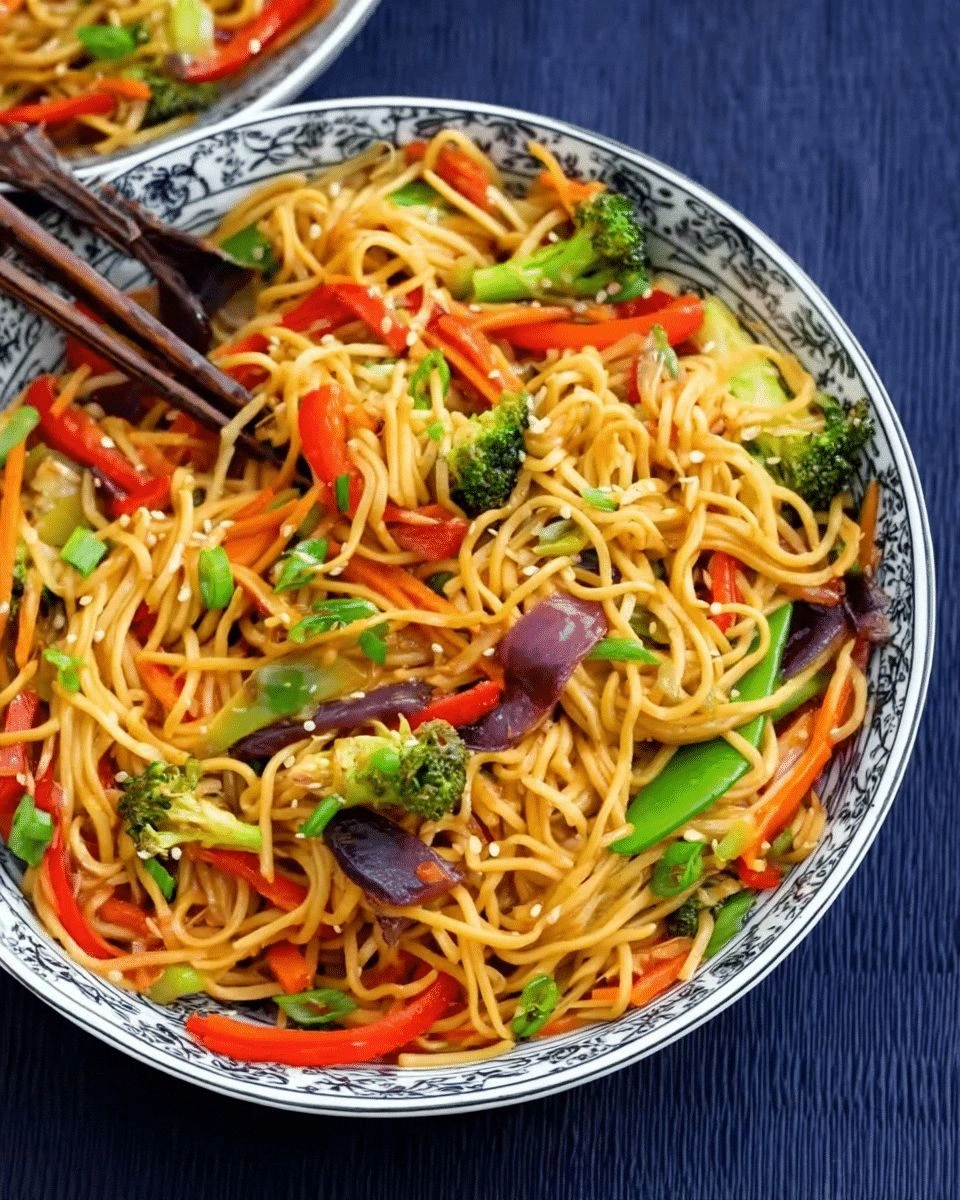
The vegetables are the stars of this dish, offering crunch, color, and nutrition. Broccoli florets give a sturdy bite, while carrots add sweetness and a pop of orange. Bell peppers contribute a crisp snap and a burst of vitamin C. Snow peas bring a delicate snap, and mushrooms add an earthy undertone that grounds the dish. Onions, when sliced thin, release a gentle sweetness as they cook.
Skipping any vegetable changes the balance: no carrots and the dish feels flat; no bell pepper and the color is dull. If you’re allergic to any of these, substitute with your favorite veggies—zucchini, bok choy, or even roasted sweet potato cubes work wonders.
Selection tip: Choose vegetables that are firm and bright. For broccoli, pick heads with tight, dense florets; for carrots, look for bright orange, crisp stems. Fresh produce will give the dish a vibrant look and a crisp texture that keeps the noodles from becoming mushy.
The Unexpected Star
Ginger and garlic are the unsung heroes that elevate the flavor profile. Fresh ginger brings a bright, peppery note that cuts through the richness of the sauce, while minced garlic offers a warm, savory depth. Together, they form a fragrant base that lingers on the palate. If you don’t have fresh ginger, a teaspoon of ground ginger can substitute, but the aroma will be slightly muted.
Why they matter: These aromatics bind the sauce and veggies, creating a unified flavor that feels cohesive. If you omit them, the dish may taste flat and one‑dimensional. They also help in balancing the sweetness of hoisin sauce with a subtle heat.
Buying tip: Use fresh ginger root that is firm and has a smooth skin. For garlic, choose heads that feel heavy for their size—this ensures you’re getting good flavor.
The Final Flourish
Sesame oil and sesame seeds add a nutty aroma and a subtle crunch that elevate the dish. A splash of sesame oil at the end of cooking gives a fragrant finish, while toasted sesame seeds add a delightful crunch and a pop of color. A squeeze of lime juice brightens the sauce and adds a fresh acidity that balances the richness.
Without sesame oil, the dish feels flat and less aromatic. If you’re not a fan of sesame, you can replace it with a few drops of toasted rice vinegar for a milder note. Lime juice is optional but highly recommended for that bright, zesty lift.
Buying tip: Look for toasted sesame oil with a nutty scent; avoid untoasted varieties that taste raw. For sesame seeds, choose dark, toasted seeds for the best flavor.
Everything's prepped? Good. Let's get into the real action...
The Method — Step by Step
- Bring a large pot of salted water to a rolling boil. Add the lo mein noodles and cook for 4–5 minutes, or until they’re just shy of al dente. Drain immediately and rinse under cold water to stop the cooking process. Toss the noodles with a splash of vegetable oil to keep them from sticking. This step ensures the noodles stay light and ready to absorb the sauce.
- Heat a large wok or skillet over high heat until a thin film of smoke rises. Add 1 tablespoon of vegetable oil and swirl to coat. Add minced garlic and ginger; sauté for 30 seconds until fragrant. The aroma should fill the kitchen like a warm hug—watch out for burning, as garlic can scorch quickly.
- Add the sliced onions, carrots, and bell peppers. Stir-fry for 2 minutes, letting the vegetables start to soften but still retain their crunch. The colors should pop, creating a visual feast. Keep the heat high to preserve the vegetables’ bright flavors.
- Add the mushrooms and snow peas. Cook for another 2 minutes until the mushrooms release their juices and the peas become tender yet still crisp. The vegetables should emit a pleasant, earthy aroma that signals the dish is nearing completion.
- Whisk together soy sauce, oyster sauce, hoisin sauce, sesame oil, cornstarch, and vegetable broth in a small bowl. Pour the mixture over the vegetables, stirring constantly to coat everything evenly. The sauce should thicken and coat the veggies like a glossy glaze.
- Add the cooked noodles to the pan. Toss everything together, ensuring the noodles soak up the sauce and the veggies are evenly coated. Let the mixture cook for 2–3 minutes, allowing the flavors to meld. The noodles should be glossy and the sauce should cling without dripping.
- Season with salt and pepper to taste. Sprinkle chili flakes if you like a subtle heat. Finish with a squeeze of lime juice and a sprinkle of toasted sesame seeds. Toss again and serve immediately while the dish is still steaming hot.
That’s it — you did it. But hold on, I've got a few more tricks that'll take this to another level...
Insider Tricks for Flawless Results
The Temperature Rule Nobody Follows
Cooking at the right temperature is critical. Too low and the noodles become soggy; too high and the sauce burns. Keep the wok at a steady high heat, and add oil just before the aromatics to avoid excess smoke. I’ve found that a medium‑high setting works best for most stovetops; adjust as needed based on your burner’s power.
Why Your Nose Knows Best
The aroma is your most reliable guide. When the sauce begins to thicken and the veggies emit a sweet, savory scent, it’s a sign the dish is ready. If the smell is too sharp or metallic, it’s probably overcooked or too salty. Trust your nose—if it smells good, the dish is good.
The 5‑Minute Rest That Changes Everything
Letting the dish rest for a short time after cooking allows the flavors to settle. Cover the pan loosely and let it sit for 5 minutes before serving. This simple step ensures the sauce coats the noodles evenly and the veggies maintain their crispness.
Stir‑Fry Timing is Key
Stir‑frying is a dance of timing. Add vegetables in layers based on their cooking times—root vegetables first, followed by quick‑cooking greens. This ensures each component is cooked to perfection without overcooking others.
Keep the Sauce Moist
Adding a splash of vegetable broth or water when the sauce starts to thicken prevents it from sticking to the pan. It also keeps the noodles from drying out and ensures a silky texture throughout.
Creative Twists and Variations
This recipe is a playground. Here are some of my favorite ways to switch things up:
Protein Power
Add tofu cubes, shrimp, or chicken breast for a protein boost. Stir-fry the protein separately and combine at the end. This turns the dish into a hearty meal without compromising the delicate balance.
Spicy Szechuan
Introduce Szechuan peppercorns, a splash of chili oil, and extra chili flakes. The peppercorns give a numbing heat that pairs beautifully with the sweet sauce. Perfect for those who love a fiery kick.
Nutty Crunch
Swap sesame seeds for toasted almond slivers or crushed cashews. Add a drizzle of peanut sauce for an extra layer of richness. This variation gives a crunchy texture and a nutty flavor profile.
Herbaceous Freshness
Finish with chopped cilantro, basil, or mint for a burst of fresh herbs. The herbs cut through the sweetness and add a bright, aromatic note that lifts the entire dish.
Low‑Carb Swap
Use shirataki noodles or spiralized zucchini instead of lo mein noodles. The texture changes slightly, but the sauce still clings beautifully, making it a lighter option.
Sweet & Smoky
Add a teaspoon of smoked paprika or a splash of maple syrup. The smoky sweetness pairs wonderfully with the savory sauce, creating a unique flavor profile that surprises the palate.
Storing and Bringing It Back to Life
Fridge Storage
Store leftovers in an airtight container for up to 3 days. Keep the sauce separate if possible to prevent the noodles from becoming soggy. When ready to reheat, sprinkle a tablespoon of water over the dish and steam for 2–3 minutes.
Freezer Friendly
Freeze in a freezer‑safe container for up to 2 weeks. Thaw overnight in the refrigerator, then reheat in a skillet with a splash of water. The noodles will regain their texture, and the sauce will re‑glaze nicely.
Best Reheating Method
Reheat on medium heat, stirring frequently. Add a tiny splash of water or broth to keep the sauce from thickening too much. The key is gentle heat to preserve the delicate flavors and textures.