
Japanese Karaage
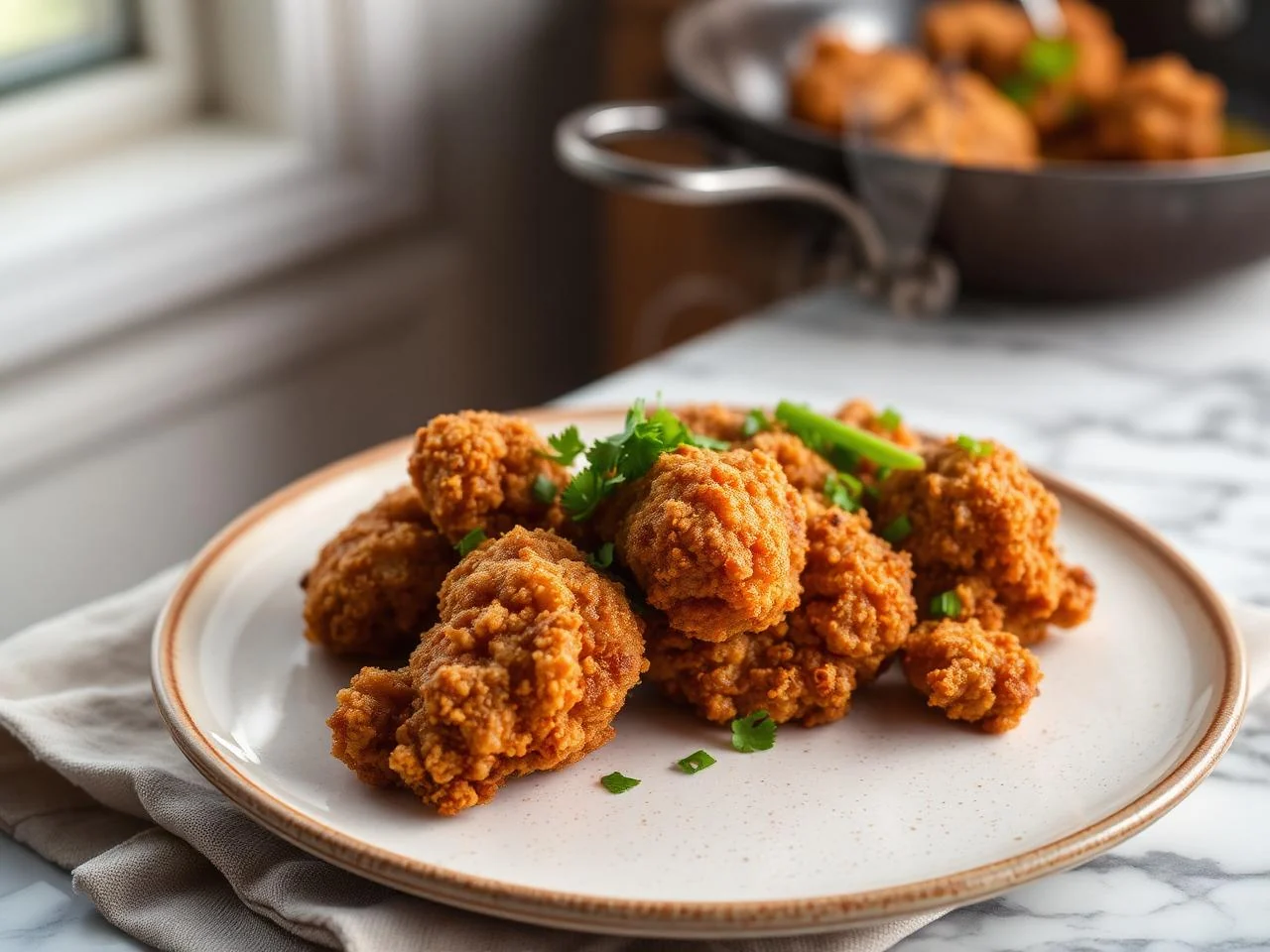
I still remember the first time I had Japanese Karaage - it was at a small restaurant in Tokyo, and the combination of crispy exterior and juicy interior was love at first bite. Since then, I've been on a mission to perfect the recipe at home, and I'm excited to share my findings with you. Whether you're a fan of Japanese food or just looking for a new chicken recipe to try, this Japanese Karaage is sure to become a favorite.
One of the things that sets Japanese Karaage apart from other fried chicken dishes is the use of a light, airy batter that doesn't overpower the flavor of the chicken. By using a combination of potato starch, flour, and spices, we can create a crust that's both crispy and delicate. And with a few simple tips and tricks, you can achieve restaurant-quality results in the comfort of your own kitchen.
So what makes this recipe special? For starters, it's incredibly easy to make - just marinate the chicken, dredge it in the batter mixture, and fry until golden brown. But it's also highly customizable, so you can adjust the seasonings and ingredients to suit your taste. Whether you like a little heat in your food or prefer to keep things mild, this recipe is adaptable to your needs.
As a busy home cook, I know that it can be tough to find the time to cook a meal from scratch. But with this Japanese Karaage recipe, you can have a delicious, restaurant-quality dinner on the table in under an hour. And because it's made with simple, everyday ingredients, you don't have to worry about breaking the bank or tracking down exotic spices.
So who is this recipe for? It's for anyone who loves Japanese food, or just wants to try something new and exciting. It's for busy families who need a quick and easy dinner solution, and for cooks who want to challenge themselves with a new technique. And it's for anyone who's looking for a recipe that's both delicious and fun to make - because let's be honest, cooking should be enjoyable, not a chore.
Why You’ll Love This Recipe
- This Japanese Karaage recipe is easy to make and requires minimal ingredients.
- It's a great option for a quick and delicious weeknight dinner.
- The recipe is highly customizable, so you can adjust the seasonings and ingredients to suit your taste.
- It's a fun and exciting dish to make, with a crispy exterior and juicy interior that's sure to impress.
- It's perfect for a family dinner or a party, as it can be made in large batches and served with a variety of sides and sauces.
- The recipe is budget-friendly and uses everyday ingredients, making it a great option for cooks of all levels.
Why This Recipe Works
The key to making great Japanese Karaage is all about the balance of flavors and textures. By using a combination of soy sauce, sake, and sugar in the marinade, we can create a deep, rich flavor that's both savory and slightly sweet. And with the addition of potato starch and flour to the batter mixture, we can achieve a crispy exterior that's both delicate and crunchy.
Another important factor is the temperature of the oil - if it's too hot, the outside will burn before the inside is fully cooked, while if it's too cold, the batter won't crisp up properly. By using a thermometer to monitor the temperature, we can ensure that the oil is at the perfect temperature for frying. And with a few simple tips and tricks, such as not overcrowding the pot and frying in batches, we can achieve a golden-brown crust that's both crispy and delicious.
Finally, it's all about the resting time - after frying, it's essential to let the chicken rest for a few minutes to allow the juices to redistribute and the crust to set. This will help the chicken stay moist and flavorful, and prevent it from becoming dry and overcooked. By following these simple steps and tips, you can create a Japanese Karaage that's both authentic and delicious.
Ingredients You’ll Need
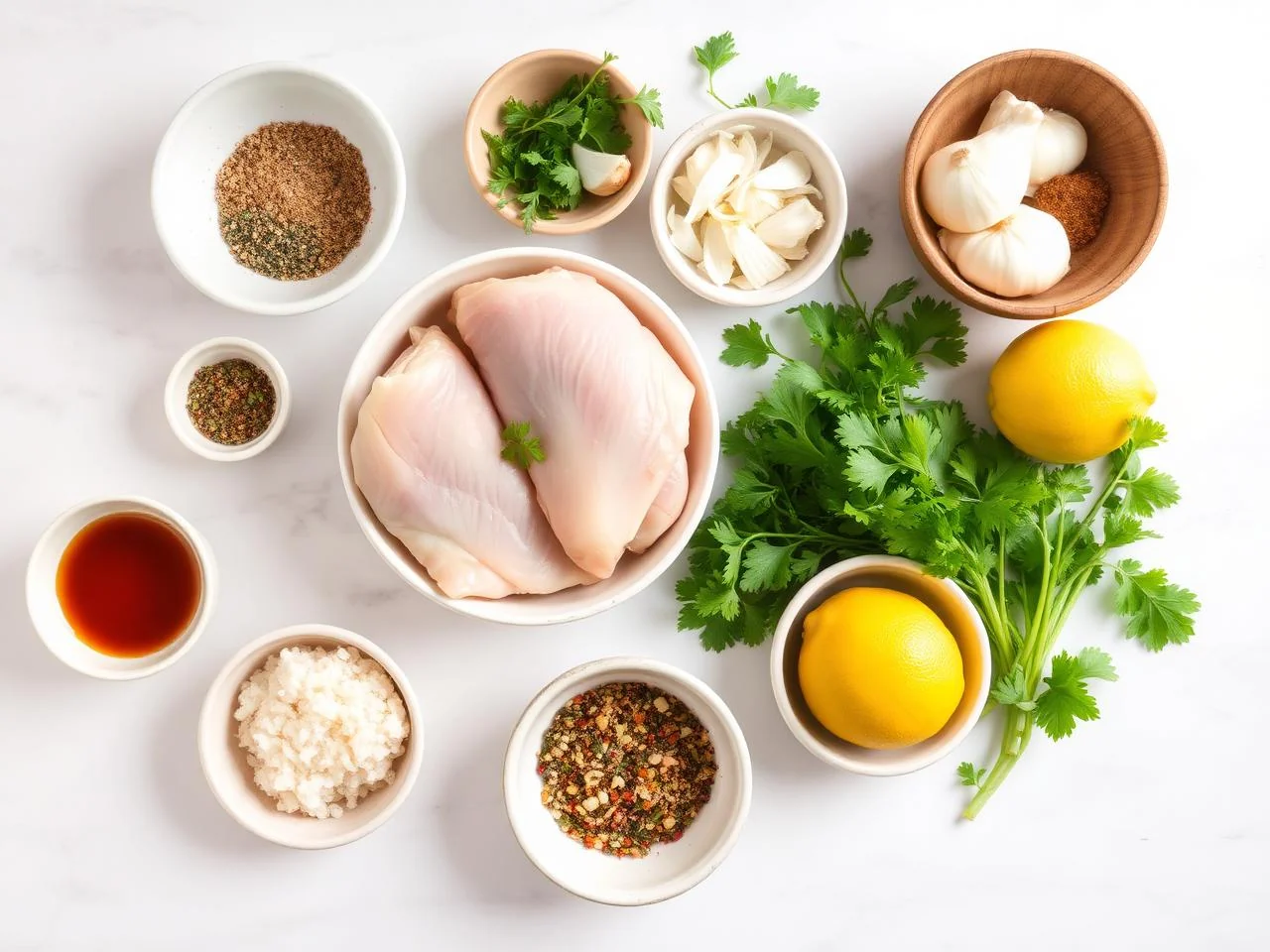
When it comes to making Japanese Karaage, the ingredients are just as important as the technique. You'll need a combination of pantry staples, such as soy sauce and sake, as well as some more specialized ingredients, like potato starch and sesame oil. Don't worry if you can't find some of these ingredients at your local grocery store - they can easily be found at an Asian market or online.
The key is to use high-quality ingredients that are fresh and flavorful. For the chicken, you'll want to use boneless, skinless thighs or legs, as they have more flavor and moisture than breast meat. And for the batter mixture, be sure to use a combination of all-purpose flour and potato starch, as this will help create a crispy exterior and a tender interior.
- 1 lb (450g) chicken thighs, bonelessIt's essential to use boneless, skinless chicken thighs for this recipe, as they have more flavor and moisture than breast meat. You can also use chicken legs if you prefer.
- 1/2 cup (120ml) soy sauceSoy sauce is a crucial ingredient in Japanese cooking, and it adds a deep, rich flavor to the chicken. Be sure to use a high-quality soy sauce that's low in sodium and made with fermented soybeans.
- 1/4 cup (60ml) sakeSake is a type of Japanese rice wine that's used to add flavor and moisture to the chicken. If you can't find sake, you can substitute it with dry white wine or omit it altogether.
- 2 tablespoons (30g) granulated sugarSugar may seem like an unusual ingredient in a savory dish, but it helps balance out the flavors and adds a touch of sweetness to the chicken.
- 2 tablespoons (30g) potato starchPotato starch is a type of starch that's commonly used in Japanese cooking. It helps create a crispy exterior and a tender interior, and it's essential for making Japanese Karaage.
- 1 tablespoon (15g) all-purpose flourAll-purpose flour is used to help thicken the batter mixture and create a crispy exterior. Be sure to use a high-quality flour that's fresh and flavorful.
- 1 teaspoon (5g) garlic powderGarlic powder is used to add flavor to the chicken, and it's a common ingredient in many Japanese dishes. You can also use minced garlic if you prefer a stronger flavor.
- 1 teaspoon (5g) ginger powderGinger powder is used to add flavor and warmth to the chicken, and it's a common ingredient in many Japanese dishes. You can also use grated ginger if you prefer a stronger flavor.
- 1/2 teaspoon (2g) sesame oilSesame oil is used to add flavor and aroma to the chicken, and it's a common ingredient in many Japanese dishes. Be sure to use a high-quality sesame oil that's fresh and flavorful.
- 1/2 teaspoon (2g) saltSalt is used to add flavor to the chicken, and it's essential for bringing out the flavors of the other ingredients. Be sure to use a high-quality salt that's fresh and flavorful.
- 1/4 teaspoon (1g) black pepperBlack pepper is used to add flavor to the chicken, and it's a common ingredient in many Japanese dishes. Be sure to use a high-quality pepper that's fresh and flavorful.
Equipment You’ll Need
How to Make Japanese Karaage
- 1In a large bowl, whisk together soy sauce, sake, sugar, garlic powder, ginger powder, and sesame oil to make the marinade.
- 2Add the chicken to the marinade and toss to coat. Cover the bowl with plastic wrap and refrigerate for at least 30 minutes or up to 2 hours.
- 3In a separate bowl, whisk together potato starch, flour, and salt to make the batter mixture.
- 4Remove the chicken from the marinade and pat dry with paper towels to remove excess moisture.
- 5Dredge the chicken in the batter mixture, shaking off excess.
- 6Heat about 2-3 inches (5-7.5 cm) of vegetable oil in a large skillet or wok over medium-high heat until it reaches 350°F (180°C).
- 7Carefully add the chicken to the hot oil and fry until golden brown and cooked through, about 5-7 minutes per side.
- 8Use a slotted spoon to remove the chicken from the oil and place on a paper towel-lined plate to drain excess oil.
- 9Let the chicken rest for 5-10 minutes before serving to allow the juices to redistribute and the crust to set.
- 10Serve the Japanese Karaage hot with your favorite dipping sauce and garnished with sliced green onions and sesame seeds if desired.
Expert Tips
- Make sure to not overcrowd the pot when frying the chicken, as this can lower the oil temperature and affect the quality of the crust.
- Use a thermometer to monitor the oil temperature and adjust the heat as needed to maintain a consistent temperature.
- Don't overcook the chicken, as this can make it dry and tough. Use a thermometer to check the internal temperature, which should reach 165°F (74°C).
- Let the chicken rest for a few minutes before serving to allow the juices to redistribute and the crust to set.
- Experiment with different seasonings and ingredients to create unique flavor variations.
- Use a high-quality oil with a high smoke point, such as peanut or avocado oil, for the best results.
- Don't be afraid to get creative with the dipping sauce - try using different combinations of soy sauce, sake, and sugar to create a unique flavor.
- For an extra crispy crust, try chilling the battered chicken in the refrigerator for 30 minutes before frying.
Common Mistakes to Avoid
- Overcrowding the pot when frying the chicken, which can lower the oil temperature and affect the quality of the crust.
- Not using a thermometer to monitor the oil temperature, which can lead to undercooked or overcooked chicken.
- Not letting the chicken rest before serving, which can make it dry and tough.
- Using low-quality ingredients, such as old oil or stale spices, which can affect the flavor and texture of the dish.
- Not patting dry the chicken before dredging in the batter mixture, which can make the crust soggy and greasy.
- Frying the chicken at too high or too low a temperature, which can affect the quality of the crust and the texture of the meat.
Variations and Substitutions
- Try using different types of protein, such as pork or shrimp, for a unique twist on the recipe.
- Experiment with different seasonings and ingredients, such as Korean chili flakes or Japanese curry powder, to create a unique flavor profile.
- Add some heat to the dish by incorporating spicy ingredients, such as diced jalapenos or sriracha, into the marinade or batter mixture.
- Use a combination of all-purpose flour and cornstarch for a lighter, crisper crust.
- Try baking the chicken instead of frying for a healthier, lower-fat version of the dish.
- Add some aromatics, such as sliced onions or carrots, to the oil for added flavor and texture.
- Use a flavored oil, such as garlic or ginger oil, for added depth and complexity.
What to Serve With Japanese Karaage
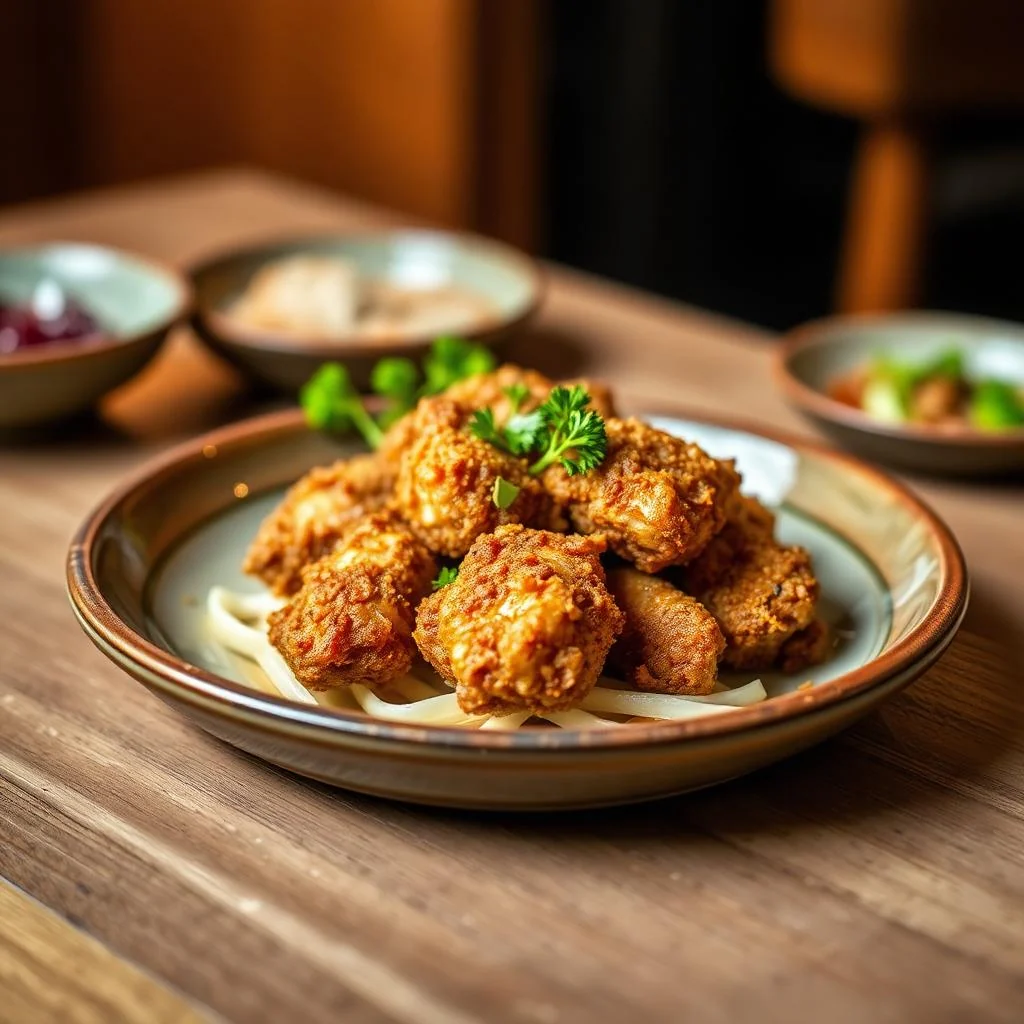
Japanese Karaage is a versatile dish that can be served in a variety of ways. Try serving it with a side of steamed vegetables, such as broccoli or carrots, for a healthy and well-rounded meal. You can also serve it with a side of rice or noodles for a more filling option.
For a fun and easy appetizer or snack, try serving the Japanese Karaage with a dipping sauce, such as a sweet and sour sauce or a spicy mayo. You can also serve it with a side of edamame or gyoza for a more substantial snack.
Make-Ahead, Storage, Freezing and Reheating
Japanese Karaage can be stored in the refrigerator for up to 3 days or frozen for up to 2 months. To store, let the chicken cool completely before placing it in an airtight container or zip-top bag.
To reheat, simply bake the chicken in a preheated oven at 350°F (180°C) for about 10-15 minutes, or until crispy and heated through. You can also reheat it in a skillet on the stovetop with a little oil until crispy and heated through.
For the best results, try to reheat the chicken as soon as possible after cooking, as this will help preserve the texture and flavor of the crust. You can also reheat it in the microwave, but be careful not to overcook it, as this can make it dry and tough.
Frequently Asked Questions
What is Japanese Karaage?
Japanese Karaage is a popular Japanese dish that consists of bite-sized pieces of chicken that are marinated, dredged in a light batter, and then deep-fried until crispy and golden brown.
What type of oil is best for frying Japanese Karaage?
A high-quality oil with a high smoke point, such as peanut or avocado oil, is best for frying Japanese Karaage. This will help to create a crispy exterior and a tender interior.
How do I achieve a crispy crust on my Japanese Karaage?
To achieve a crispy crust on your Japanese Karaage, make sure to not overcrowd the pot when frying, use a thermometer to monitor the oil temperature, and don't overcook the chicken. You can also try chilling the battered chicken in the refrigerator for 30 minutes before frying for an extra crispy crust.
Can I bake Japanese Karaage instead of frying?
Yes, you can bake Japanese Karaage instead of frying. Simply preheat your oven to 400°F (200°C) and bake the chicken for about 20-25 minutes, or until cooked through and crispy on the outside.
How do I store and reheat Japanese Karaage?
Japanese Karaage can be stored in the refrigerator for up to 3 days or frozen for up to 2 months. To reheat, simply bake the chicken in a preheated oven at 350°F (180°C) for about 10-15 minutes, or until crispy and heated through.
What are some common mistakes to avoid when making Japanese Karaage?
Some common mistakes to avoid when making Japanese Karaage include overcrowding the pot when frying, not using a thermometer to monitor the oil temperature, and not letting the chicken rest before serving. You should also avoid using low-quality ingredients and not patting dry the chicken before dredging in the batter mixture.
Can I make Japanese Karaage ahead of time?
Yes, you can make Japanese Karaage ahead of time. Simply prepare the chicken and batter mixture, and then refrigerate or freeze until ready to fry. You can also fry the chicken ahead of time and then reheat it in the oven or on the stovetop when ready to serve.
What are some variations I can try with Japanese Karaage?
Some variations you can try with Japanese Karaage include using different types of protein, such as pork or shrimp, experimenting with different seasonings and ingredients, and adding some heat to the dish with spicy ingredients. You can also try baking the chicken instead of frying for a healthier, lower-fat version of the dish.
Ingredients
- 1 lb (450g) chicken thighs, boneless
- 1/2 cup (120ml) soy sauce
- 1/4 cup (60ml) sake
- 2 tablespoons (30g) granulated sugar
- 2 tablespoons (30g) potato starch
- 1 tablespoon (15g) all-purpose flour
- 1 teaspoon (5g) garlic powder
- 1 teaspoon (5g) ginger powder
- 1/2 teaspoon (2g) sesame oil
- 1/2 teaspoon (2g) salt
- 1/4 teaspoon (1g) black pepper
Instructions
- In a large bowl, whisk together soy sauce, sake, sugar, garlic powder, ginger powder, and sesame oil to make the marinade.
- Add the chicken to the marinade and toss to coat. Cover the bowl with plastic wrap and refrigerate for at least 30 minutes or up to 2 hours.
- In a separate bowl, whisk together potato starch, flour, and salt to make the batter mixture.
- Remove the chicken from the marinade and pat dry with paper towels to remove excess moisture.
- Dredge the chicken in the batter mixture, shaking off excess.
- Heat about 2-3 inches (5-7.5 cm) of vegetable oil in a large skillet or wok over medium-high heat until it reaches 350°F (180°C).
- Carefully add the chicken to the hot oil and fry until golden brown and cooked through, about 5-7 minutes per side.
- Use a slotted spoon to remove the chicken from the oil and place on a paper towel-lined plate to drain excess oil.
- Let the chicken rest for 5-10 minutes before serving to allow the juices to redistribute and the crust to set.
- Serve the Japanese Karaage hot with your favorite dipping sauce and garnished with sliced green onions and sesame seeds if desired.