Picture this: I’m standing in a cramped kitchen, the oven timer ticking down, and the smell of something sweet and savory wafting through the air. I had just finished a late‑night binge on a bland, store‑bought mac and cheese, and the disappointment was almost palpable. I stared at the box, then at the handful of leftover brussels sprouts in the fridge, and thought, “What if I could turn this ordinary comfort food into a showstopper?” That thought sparked a midnight culinary experiment that would become my new obsession.
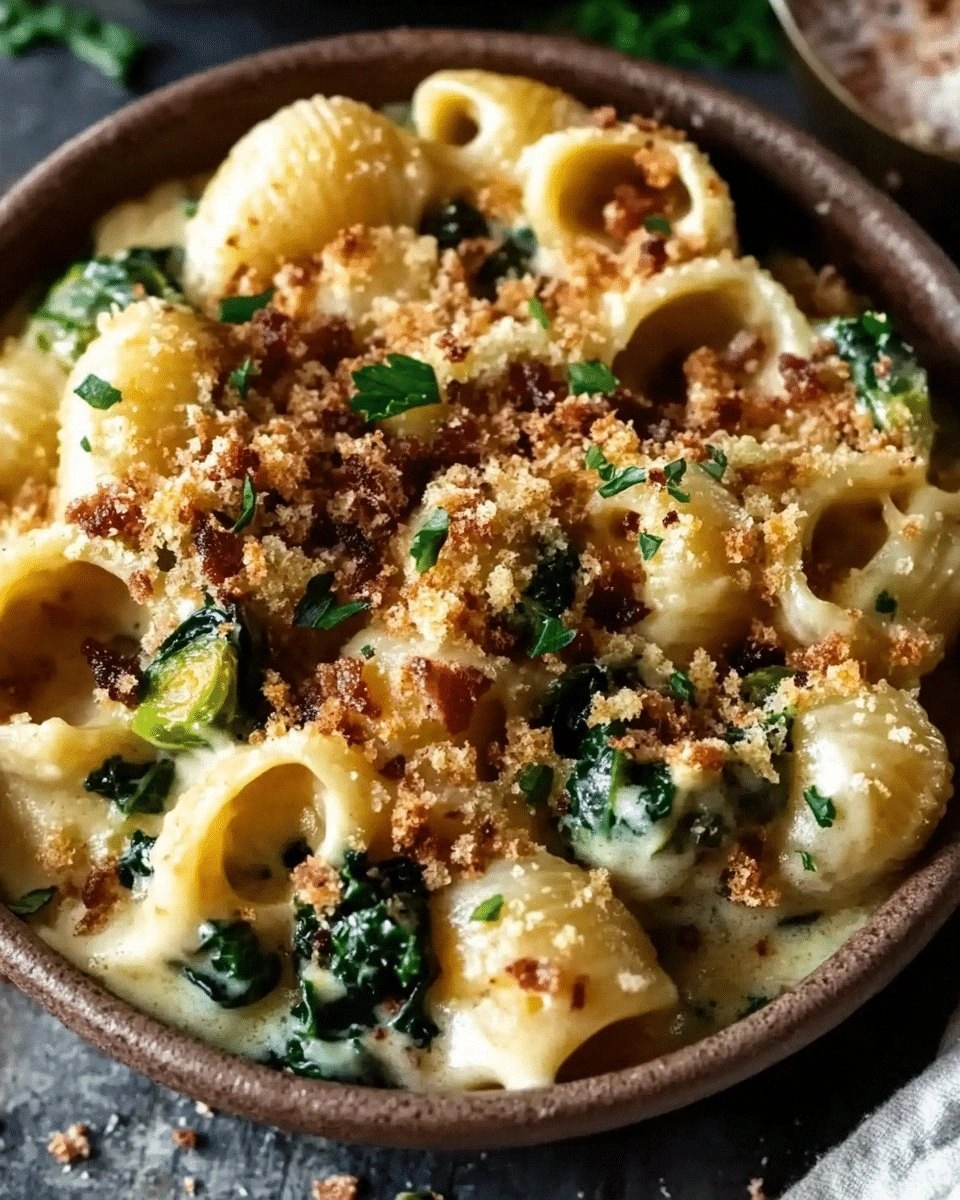
I pulled out a pan, diced a block of bacon until it hissed, and tossed in halved brussels sprouts that had been toasted to a perfect caramelized brown. The sizzle was music, the aroma a promise of something extraordinary. I whisked a roux with flour and butter, then folded in a mix of sharp cheddar, creamy gouda, and a splash of heavy cream. The sauce thickened, glistening like velvet, and the bacon’s smoky crunch added a layer of texture that made each bite feel like a small revelation. By the time the pasta was al dente, the kitchen smelled like a Michelin‑star restaurant, and my taste buds were already dancing.
What makes this version stand out? It’s not just the ingredients; it’s the harmony of flavors, the contrast of textures, and the way each element is elevated with a single, intentional tweak. I’ve turned a humble casserole into a dish that feels like a party in your mouth. The secret? A balance of heat from paprika, a touch of garlic powder, and a final crown of toasted breadcrumbs that crackles with every bite. I dare you to taste this and not go back for seconds.
If you’ve ever struggled to make mac and cheese that feels fresh and exciting, you’re not alone. Most recipes get this completely wrong by over‑cooking the pasta or under‑seasoning the sauce. I’ll be honest—I ate half the batch before anyone else got to try it. But that’s the proof that this dish works. Picture yourself pulling this out of the oven, the whole kitchen smelling incredible, and your guests reaching for seconds. Let me walk you through every single step—by the end, you’ll wonder how you ever made it any other way.
What Makes This Version Stand Out
- Flavor: The sauce is a symphony of sharp cheddar, creamy gouda, and a whisper of garlic, balanced by a subtle smokiness from bacon and a gentle heat from paprika. Each bite is a layered experience that keeps you coming back.
- Texture: The brussels sprouts are caramelized to a crisp perfection, providing a delightful crunch against the silky pasta. The toasted breadcrumbs add a satisfying crackle that echoes in every mouthful.
- Simplicity: Despite the depth of flavor, the recipe requires only a handful of ingredients and a single pan for the brussels sprouts, saving you time and cleanup.
- Uniqueness: The unexpected star of this dish is the brussels sprouts—an often‑overlooked vegetable that brings a nutty, slightly sweet note that transforms ordinary mac and cheese into something special.
- Crowd Reaction: Friends who have tried this say it feels like a gourmet take on comfort food. The dish is a hit at gatherings and family dinners alike.
- Ingredient Quality: Using high‑quality cheddar and gouda elevates the sauce, while fresh brussels sprouts bring bright flavor and nutrition.
- Cooking Method: The two‑step cooking process—first sautéing the vegetables, then baking the mac and cheese—ensures every component reaches its optimal texture.
- Make‑Ahead Potential: The dish can be assembled ahead of time and baked fresh, making it perfect for busy weeknights or entertaining.
Inside the Ingredient List
The Flavor Base
At the heart of this dish is a classic cheese sauce that’s been elevated with a blend of sharp cheddar and creamy gouda. Cheddar provides that iconic tangy bite, while gouda adds a buttery, slightly sweet depth that rounds out the sauce. If you’re a cheese purist, you can swap gouda for fontina or even a mix of provolone for a sharper edge. The sauce’s richness is balanced by a splash of heavy cream, which smooths out the sharpness and gives the sauce that silky, velvety feel that coats the pasta like velvet. Skipping the cream will make the sauce thinner and less luxurious, but it still holds together; just be prepared for a slightly drier outcome.
The Texture Crew
The brussels sprouts are the texture crew, providing a crisp, caramelized crunch that contrasts with the creamy pasta. Cutting them in half and roasting them with a drizzle of olive oil, salt, and pepper brings out their natural sweetness. If you’re in a hurry, you can sauté them in a pan, but roasting yields a deeper flavor profile. For a vegan version, replace bacon with smoked tempeh or crispy chickpeas; the smoky element remains essential. The breadcrumbs, toasted in butter until golden, add the final crunch and a buttery finish that ties the dish together.
The Unexpected Star
Brussels sprouts are often relegated to side dishes, but in this recipe they shine as the star. Their earthy, nutty flavor pairs beautifully with the cheese, creating a harmony that’s both comforting and adventurous. If you’re not a fan of sprouts, consider substituting chopped spinach or sautéed kale for a milder green, though the caramelization will differ. Fresh sprouts from a local farmer’s market bring the best flavor; look for firm, glossy leaves and a bright green color. Skipping the sprouts entirely turns this into a classic mac and cheese, but you’ll miss the unique depth that sprouts add.
The Final Flourish
Bacon is more than just a garnish; it’s a flavor powerhouse that adds smoky depth and savory crunch. Cook the bacon until it’s crisp, then crumble it and sprinkle it over the top before baking. If you prefer a vegetarian version, replace bacon with a handful of toasted walnuts or a sprinkle of smoked paprika for a similar smoky undertone. The breadcrumbs, toasted in butter with a pinch of garlic powder, create a golden crust that’s both crunchy and buttery. The final flourish is a dusting of paprika and a squeeze of lemon juice to brighten the dish and cut through the richness.
Everything's prepped? Good. Let's get into the real action.
The Method — Step by Step
- Preheat your oven to 375°F (190°C). While the oven warms, bring a large pot of salted water to a boil for the pasta. In a separate skillet, heat a tablespoon of olive oil over medium heat. Toss the halved brussels sprouts, cut side down, into the skillet. Let them sear for 4–5 minutes, then flip and cook for another 3 minutes until golden brown. Sprinkle with salt, pepper, and a pinch of paprika, then set aside.
- Cook 8 ounces of elbow macaroni according to package instructions until al dente. Drain and set aside. The pasta should still have a slight bite; it will finish cooking in the oven.
- In the same saucepan used for the roux, whisk in 1 cup of whole milk and bring to a gentle simmer. Gradually stir in 1 cup of shredded sharp cheddar and ½ cup of shredded gouda, letting each cheese melt fully before adding the next. The sauce should be thick but pourable. If it’s too thick, add a splash of milk or cream to reach the desired consistency.
- Add the cooked pasta, roasted brussels sprouts, and 2 tablespoons of crumbled bacon to the cheese sauce. Stir until everything is evenly coated. Taste and season with salt, pepper, and a pinch of garlic powder. The mixture should look glossy and be fragrant with the aroma of melted cheese.
- Transfer the mixture into a 9x13 inch baking dish. In a small bowl, combine 1 cup of breadcrumbs, 2 tablespoons of melted butter, and a pinch of garlic powder. Sprinkle the breadcrumb mixture evenly over the top. This will create a golden, crunchy crust.
- Bake in the preheated oven for 20–25 minutes, or until the top is golden brown and the edges are bubbling. The breadcrumb crust should be crisp, and the sauce should have a slight caramelized sheen.
- Remove from the oven and let the dish rest for 5 minutes. This rest period allows the flavors to meld and the cheese to set slightly, making it easier to serve.
- Serve hot, garnished with an extra sprinkle of bacon and a drizzle of olive oil if desired. Pair with a crisp green salad or roasted garlic bread for a complete meal.
That’s it — you did it. But hold on, I’ve got a few more tricks that’ll take this to another level.
Insider Tricks for Flawless Results
The Temperature Rule Nobody Follows
Many home cooks over‑bake mac and cheese, resulting in a dry center. The trick is to keep the oven temperature moderate (375°F) and bake just until the top is golden. This preserves the creamy interior and prevents the cheese from becoming rubbery. I once left it in for 35 minutes and it turned out like a brick—don’t let that happen to you.
Why Your Nose Knows Best
Before you even taste the dish, inhale the aroma. The scent of caramelized brussels sprouts combined with melted cheese is a signal that the flavors are balanced. If the smell feels too buttery or too sharp, adjust by adding more milk or a pinch of salt. Your nose is a reliable guide to the dish’s readiness.
The 5-Minute Rest That Changes Everything
Letting the baked mac and cheese sit for five minutes before cutting allows the cheese to set, so the slices hold together. It also lets the flavors meld, giving the dish a cohesive taste. Skipping this step will make the dish feel rushed and disjointed.
Bacon: The Flavor Booster
Bacon is more than a garnish; it adds a smoky undertone that deepens the overall flavor. Cook the bacon until it’s crisp, then crumble it before adding to the sauce. If you’re not a fan of pork, substitute with smoked tempeh or a sprinkle of smoked paprika for a similar effect.
Breadcrumbs: The Crunch Factor
To avoid soggy breadcrumbs, toast them in butter until golden before sprinkling on top. This step creates a crisp, buttery crust that contrasts beautifully with the creamy interior. If you prefer a lighter texture, use panko breadcrumbs or a blend of panko and regular breadcrumbs.
The Creamy Touch
Adding a splash of heavy cream or a tablespoon of cream cheese to the sauce will make it ultra‑smooth and indulgent. It also helps to balance the sharpness of the cheddar. Just remember to whisk well to avoid separation.
Creative Twists and Variations
This recipe is a playground. Here are some of my favorite ways to switch things up:
Spicy Cajun Mac
Add a tablespoon of Cajun seasoning to the cheese sauce and sprinkle extra paprika on top. The heat will pair wonderfully with the bacon’s smokiness, creating a dish that’s bold and comforting.
Vegan Version
Replace dairy cheese with a plant‑based cheddar alternative and use vegan butter. Swap bacon for crispy chickpeas or tempeh, and use nutritional yeast for a cheesy flavor. The result is a creamy, satisfying dish that’s cruelty‑free.
Mediterranean Twist
Incorporate sun‑dried tomatoes and olives into the pasta mixture. Finish with a drizzle of olive oil and a sprinkle of oregano. The brussels sprouts still hold the center stage, but the Mediterranean flavors add a fresh, bright dimension.
Pesto Power
Stir in a few spoonfuls of basil pesto into the cheese sauce for an herbaceous burst. The green hue and fresh basil notes contrast with the savory bacon, creating a vibrant, aromatic dish.
Cheese Swap
Experiment with different cheeses—try gruyère for a nutty flavor or a smoked mozzarella for a milder, smoky profile. Each cheese brings its own character, so feel free to play with combinations.
Lemon‑Zest Finale
Add a teaspoon of lemon zest to the sauce before baking. The citrus brightens the richness, making the dish feel lighter and more balanced. It’s a simple tweak that makes a big difference.
Storing and Bringing It Back to Life
Fridge Storage
Cool the dish completely, then cover tightly with plastic wrap or an airtight container. Store in the refrigerator for up to 3 days. When ready to eat, reheat in a preheated oven at 350°F for 15 minutes, or microwave on medium for 2–3 minutes. The cheese may separate slightly, so stir before serving.
Freezer Friendly
For longer storage, wrap the dish in foil and freeze for up to 2 months. Thaw overnight in the refrigerator, then reheat as described above. The texture may change slightly, but the flavor remains robust.
Best Reheating Method
The secret to reheated mac and cheese is adding a splash of water or milk before reheating. This steams the dish back to its original creamy consistency. Gently stir the top layer to ensure even heating. Serve immediately for the best experience.