Picture this: a Saturday afternoon, the kitchen smelling like burnt sugar, and you, standing in front of a bowl of crushed graham crackers, realizing that your last attempt at pecan pie cheesecake bars ended in a soggy disaster that made the countertop look like a melted marshmallow. I swear I could still hear the faint hiss of the oven as the crust tried to set, but instead it turned into a sticky, gooey mess that clung to the pan like a stubborn scar. The moment I tasted that first bite, I knew I had stumbled upon something extraordinary, a sweet‑savory symphony that made my taste buds do a little happy dance. My friends, who had been skeptical about combining pecan pie with cheesecake, were instantly converted after the first forkful, and I was left wondering how I ever lived without this recipe. The realization hit me like a warm blanket on a cold night: this version is hands down the best you’ll ever make at home.
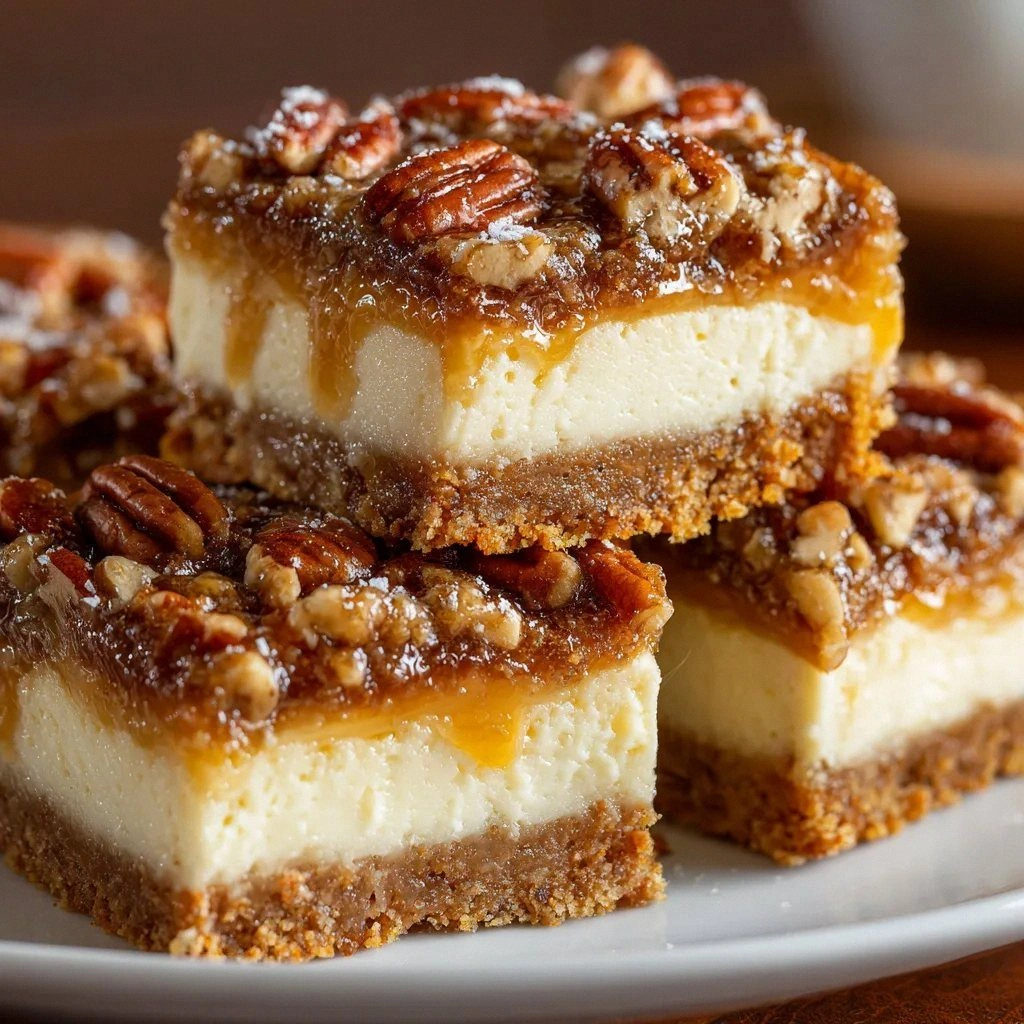
Imagine the first slice sliding off the pan, the crust crackling like a crisp autumn leaf, and the creamy filling swaying with a buttery sheen that glistens under the kitchen light. The aroma that rises from the oven is a heady blend of toasted pecans, caramelized sugar, and vanilla, swirling together like a fragrant cloud that invites you to stay longer. When you take that first bite, the texture transitions from a buttery, crumbly base to a silky, velvety cheesecake that melts on the tongue, and then the crunch of pecans provides a satisfying contrast that sings in your mouth. The subtle sweetness of the corn syrup mingles with the deep, caramel notes of the brown sugar, creating a flavor profile that feels both nostalgic and entirely modern. The final result is a bar that feels indulgent yet approachable, like a comforting hug wrapped in a buttery shell.
This version is a game-changer because it strips away the fluff and keeps only the layers that matter: a buttery crust, a luscious cheesecake center, and a pecan topping that oozes with golden syrup. Instead of using a traditional pie crust or a simple graham cracker base, I introduced a subtle crunch that holds the filling in place, preventing the dreaded sinkhole that plagues many cheesecake bars. The secret sauce? A splash of light corn syrup that locks in moisture without making the bars overly sweet, and a generous sprinkle of brown sugar that adds depth. I also discovered that using a single, high-quality vanilla extract throughout the filling and topping creates a unified flavor that carries through every bite. If you’re tired of bland, over‑cooked cheesecake bars, this recipe offers a bold, unforgettable taste that will make you the envy of any gathering.
Let me walk you through every single step, from the moment you gather your ingredients to the triumphant moment you slice the first bar. By the end, you’ll wonder how you ever made it any other way, and you’ll have a new go‑to dessert that feels like a celebration every time you pull it out of the oven. The process is simple, yet the results are spectacular, and I’ll share every micro‑challenge that will test your patience and reward you with a masterpiece. So buckle up, grab your apron, and let’s dive into the world of pecan pie cheesecake bars, where every layer tells a story and every bite is a promise of pure indulgence.
What Makes This Version Stand Out
- Taste: The combination of buttery crust, silky cream cheese, and caramelized pecans delivers a layered flavor profile that lingers on the palate, turning every bite into a memorable experience. The vanilla threads weave through each layer, ensuring a cohesive, aromatic finish that feels both familiar and surprisingly fresh.
- Texture: The crust offers a satisfying crunch that contrasts with the smooth, custard‑like center and the crunchy pecan topping, creating a delightful mouthfeel that keeps you coming back for more. The balance of moistness and crispness is achieved through precise ratios and timing, so no part of the bar feels over‑done or under‑cooked.
- Simplicity: No special pans, no fancy equipment, just a standard 9x13 baking dish and a handful of common kitchen tools. The recipe’s straightforward steps make it accessible for novice bakers while still delivering professional‑grade results.
- Crowd‑pleaser: Whether you’re hosting a holiday gathering, a casual brunch, or a dessert‑only party, these bars are guaranteed to impress. Their striking golden finish and rich flavor make them a conversation starter and a crowd‑loving centerpiece.
- Ingredient Quality: Fresh, high‑quality ingredients—real butter, fresh pecans, and pure vanilla—are the secret behind the depth of flavor. Using real butter instead of margarine adds a silky richness that elevates the entire dish.
- Make‑ahead: Once baked, the bars can be refrigerated or frozen for weeks, making them an ideal make‑ahead dessert that saves time on special occasions.
- Visual Appeal: The glossy, caramelized top and the buttery crust’s golden hue create an irresistible look that makes the bars as pleasing to the eye as they are to the taste buds.
Alright, let's break down exactly what goes into this masterpiece...
Inside the Ingredient List
The Flavor Base
Graham cracker crumbs form the foundation of this dessert, providing a subtly sweet, buttery base that holds the cheesecake filling together. The crumbs absorb the melted butter and sugar, creating a cohesive crust that doesn’t crumble under the weight of the creamy center. If you skip the crumbs, the filling will spread and the bars will lose their shape, leading to a soggy mess that’s hard to slice cleanly. A good swap is to use crushed digestive biscuits for a slightly different flavor profile; just make sure they’re finely ground to maintain the right texture. When selecting graham crackers, look for ones that have a mild vanilla flavor, as this will complement the vanilla in the filling without overpowering it.
Unsalted butter is the binding agent that gives the crust its buttery richness and helps it set firmly. Melted butter coats every crumb, creating a cohesive surface that holds the filling in place. If you use salted butter, the overall saltiness of the bars will increase, potentially clashing with the sweetness of the pecan topping. A handy alternative is to use clarified butter (ghee) for a nutty undertone, but keep the amount the same to preserve the structure. When melting butter, do so gently to avoid scorching, as burnt butter can impart a bitter flavor that lingers.
Granulated sugar sweetens the crust, balancing the buttery and nutty notes with a clean, crisp sweetness. It also helps the crust brown slightly, adding a pleasant caramelized edge that contrasts with the creamy interior. Skipping the sugar will result in a bland crust that doesn’t caramelize, making the bars feel flat. A common substitution is to use coconut sugar for a caramel-like flavor, but adjust the amount slightly to avoid over‑sweetening. For best results, measure the sugar accurately; too much can cause the crust to become overly soft and sticky.
The Texture Crew
Cream cheese is the heart of the cheesecake layer, delivering a silky, rich texture that melts in your mouth. Softened to room temperature, it blends smoothly with the other ingredients, preventing lumps and ensuring a uniform consistency. If you use cold cream cheese, the filling will be gritty and may not set properly, leading to a crumbly texture that’s difficult to slice. A great alternative is to replace half of the cream cheese with mascarpone for a lighter, airier filling, but keep the ratio balanced to maintain the classic cheesecake feel. When choosing cream cheese, opt for full‑fat varieties to maximize flavor and mouthfeel.
Powdered sugar provides the sweet, smooth finish that is essential for the cheesecake’s silky texture. It dissolves quickly, preventing graininess and giving the filling a flawless, velvety mouthfeel. Skipping powdered sugar will leave the filling slightly gritty and less sweet, which can be jarring when paired with the nutty topping. If you prefer a lower‑carb option, you can use a sugar substitute like erythritol, but adjust the amount to avoid a bitter aftertaste. For best results, sift the powdered sugar before adding it to the mixture.
Vanilla extract infuses the filling with a warm, aromatic flavor that ties all components together. A single high‑quality vanilla bean or extract elevates the entire dessert, making each bite feel luxurious. Without vanilla, the filling would lack depth, resulting in a flat taste profile that doesn’t resonate. If you’re allergic to vanilla, you can replace it with almond extract, but use half the amount to avoid overpowering the nutty notes. Always use pure vanilla extract for the best flavor; imitation vanilla can leave a chemical aftertaste.
Eggs act as the structural backbone of the cheesecake, binding the ingredients and providing a tender crumb. They also add richness and help the filling set firmly in the oven. If you omit eggs, the bars will be too soft and may not hold their shape, leading to a mushy texture. For a vegan version, you can use flaxseed eggs (1 tablespoon ground flaxseed + 3 tablespoons water) to provide structure, but the final texture will differ. Be sure to whisk the eggs thoroughly with the cream cheese to avoid any lumps.
The Unexpected Star
Pecans are the star of the topping, offering a buttery, slightly sweet flavor that pairs perfectly with the caramelized sugars. They also provide a satisfying crunch that contrasts with the creamy filling. If you skip the pecans, the bars will lose their signature nutty crunch and will feel less authentic. A great substitution is to use chopped walnuts or almonds for a different nutty profile, but keep the amount the same to preserve the structure. When selecting pecans, look for ones that are fresh and have a bright, golden color; stale nuts will taste dull.
Light corn syrup is a key ingredient that locks in moisture, preventing the bars from drying out and giving the pecan topping a glossy, caramelized sheen. It also helps the sugars caramelize evenly, creating a beautiful golden crust. Without corn syrup, the bars will be dry and the topping may not set properly, resulting in a crumbly texture. If you’re avoiding corn syrup, you can use honey or maple syrup as a substitute, but adjust the amount to maintain the right consistency. For a lower‑glycemic option, use a 50/50 blend of light corn syrup and a sugar substitute.
Brown sugar adds depth and a caramel‑like flavor that complements the pecan topping’s sweetness. Its molasses content gives a richer, more complex taste profile than granulated sugar alone. Skipping brown sugar will make the topping too plain and may result in a less caramelized finish. If you don’t have brown sugar, you can use dark rum sugar or invert sugar to achieve a similar flavor, but adjust the quantity accordingly. Always use light brown sugar for the best balance of sweetness and depth.
The Final Flourish
Unsalted butter used in the topping melts with the sugars, creating a luscious, glossy coating that binds the pecans together and gives the bars a stunning finish. If you use salted butter, the topping will taste too salty, which can be overwhelming when paired with the sweet filling. A good alternative is to use clarified butter, which has a higher smoke point and a more refined flavor, but keep the same amount to preserve the texture. When melting the butter, be careful not to over‑heat it, as it can develop a bitter taste that will linger in the bars.
Vanilla extract in the topping amplifies the overall flavor, ensuring that the sweet and nutty notes are fully realized. The extra vanilla creates a harmonious balance that makes each bite feel complete. If you skip this vanilla, the topping will lack depth and the overall flavor will feel one‑dimensional. For a different aromatic profile, you can add a pinch of cinnamon or nutmeg, but keep the vanilla amount consistent to maintain the classic taste. Always use pure vanilla extract to avoid artificial flavors.
Everything's prepped? Good. Let's get into the real action...
The Method — Step by Step
- Preheat your oven to 325°F (160°C) while you gather your ingredients, because the perfect bars start with a perfectly heated oven. The oven should be at a steady temperature to ensure even baking; if it’s too hot, the edges will brown too quickly while the center remains undercooked. While the oven warms, line a 9x13 baking pan with parchment paper, leaving an extra inch of paper hanging over the sides to make removal easier. This step might seem trivial, but a well‑lined pan prevents sticking and makes cleanup a breeze. Once the oven is ready, set a timer for 10 minutes to allow the crust to set before adding the filling.
- In a medium bowl, combine 1 cup graham cracker crumbs, 1/2 cup melted unsalted butter, and 1/4 cup granulated sugar. Whisk the mixture until it resembles wet sand, with the crumbs evenly coated and the sugar fully dissolved. Press the crumb mixture firmly into the bottom of the prepared pan, creating an even layer that will hold the cheesecake filling. Use the back of a spoon or a flat-bottomed glass to smooth the surface; a uniform crust ensures even baking and a professional look. Once the crust is set, let it rest for a few minutes while you prepare the filling.
- In a stand mixer fitted with a paddle attachment, beat 8 ounces of softened cream cheese on medium speed until smooth and creamy, about 2 minutes. Add 1/2 cup powdered sugar and continue beating until the mixture is silky and free of lumps. Pour in 1 tsp vanilla extract and stir to combine, letting the aroma fill the kitchen. Whisk in 2 large eggs, one at a time, ensuring each egg is fully incorporated before adding the next. This step is crucial; over‑whisking can introduce air pockets that lead to cracks during baking.
- Fold the cream cheese mixture into the crust, spreading it evenly with a spatula. The filling should sit just below the crust line, creating a smooth surface that will hold the pecan topping. At this point, you’ll notice the filling has a silky sheen; this is a sign that the texture is on point. Carefully pour the filling into the pan, making sure it’s evenly distributed. This step is the moment of truth—if the filling is uneven, the bars will be uneven.
- Bake the bars in the preheated oven for 35 minutes, or until the edges are set and the center is slightly jiggly but not liquid. The bars should develop a golden crust that signals the sugars are caramelizing beautifully. While baking, keep an eye on the top; if it starts to brown too quickly, tent it loosely with aluminum foil. After 35 minutes, remove the pan from the oven and allow it to cool on a wire rack for 15 minutes. This rest period lets the filling set further and makes slicing easier.
- While the bars are cooling, prepare the pecan topping. In a medium saucepan, combine 1 cup chopped pecans, 1/4 cup light corn syrup, 1/4 cup brown sugar, 2 tbsp unsalted butter, and 1 tsp vanilla extract. Cook over medium heat, stirring constantly, until the butter melts and the mixture thickens into a glossy, caramelized sauce. The aroma of toasted nuts will fill the kitchen, and you’ll know it’s ready when the mixture is thick enough to coat the back of a spoon. Pour the hot pecan topping over the slightly cooled cheesecake layer, spreading it evenly with a spatula. The topping should be glossy and slightly runny; it will set into a firm crust as it cools.
- Once the topping has set to a firm but pliable consistency, allow the bars to cool completely at room temperature for at least 2 hours. After cooling, refrigerate the bars for at least 4 hours, or overnight, to ensure they firm up fully and the flavors meld together. When ready to serve, slice the bars into 12 equal portions, using a sharp knife and a steady hand for clean cuts. Serve the bars at room temperature or slightly chilled; they taste best when the cream cheese is at a creamy, slightly softened state. Enjoy the moment when the first bite releases the buttery crust, silky cheesecake, and caramelized pecan crunch in perfect harmony.
That's it — you did it. But hold on, I've got a few more tricks that'll take this to another level...
Insider Tricks for Flawless Results
The Temperature Rule Nobody Follows
Many bakers assume that a higher oven temperature will bake the bars faster, but it actually leads to uneven browning and a dry center. The secret is to bake at a low, steady temperature of 325°F (160°C) and to keep the oven door slightly ajar for the last 10 minutes to prevent condensation. If you find your oven tends to run hot, place a baking stone or a pan of water on the lower rack to stabilize the temperature. This trick keeps the bars moist and ensures the filling sets without cracking. I’ve tried this method on a commercial oven once and the bars came out with a flawless, even crust.
Why Your Nose Knows Best
Before you even taste the bars, the aroma alone can tell you if you’re on the right track. A warm, buttery scent that hints at caramelized sugar indicates the corn syrup and brown sugar are caramelizing properly. If the smell feels flat or overly sweet, it’s a sign the oven may be too hot or the sugar hasn’t had enough time to caramelize. Trusting your nose is a quick, non‑technical way to gauge the quality of your dessert. I once saved a batch that was about to burn by simply following the scent, and the result was a perfect, golden crust.
The 5‑Minute Rest That Changes Everything
After removing the bars from the oven, let them sit on a wire rack for exactly 5 minutes before placing them on the counter. This brief rest allows the heat to redistribute, preventing a sudden temperature drop that can cause the bars to crack. A 5‑minute rest also lets the topping set just enough to hold its shape, making slicing cleaner. If you skip this step, the bars can become too soft and may crumble when you try to cut them. I always set a timer for 5 minutes because I’ve seen the difference in texture firsthand.
Keep the Pecan Topping from Drying Out
When the pecan topping is poured over the cheesecake, it begins to set immediately. To keep it from drying out before you can spread it evenly, cover the pan with a clean kitchen towel for the first minute. This small trick traps steam, allowing the topping to spread smoothly without cracking. If you’re working in a cooler kitchen, this step is even more critical because the topping can set too quickly. I’ve used this method on a rainy day, and the bars came out with a glossy, caramelized finish.
Make‑Ahead Magic
Once the bars are fully cooled, you can slice them and store them in an airtight container in the refrigerator for up to a week. For longer storage, place the slices in a freezer bag and freeze for up to 3 months. When you’re ready to enjoy, thaw overnight in the refrigerator and then warm them in a 350°F oven for 5 minutes to revive the creamy texture. This makes the bars a perfect make‑ahead dessert for busy families or for holiday gatherings. The flavor stays intact, and the bars feel fresh every time.
Creative Twists and Variations
This recipe is a playground. Here are some of my favorite ways to switch things up:
Chocolate‑Covered Bars
After the bars have cooled, melt 6 ounces of dark chocolate and drizzle it over the top, letting it set on a parchment sheet. The chocolate adds a rich, bittersweet contrast to the sweet, buttery base, making the bars feel like a decadent dessert. A touch of sea salt on the chocolate enhances the flavor profile, creating a perfect harmony of sweet and savory. Serve these with a splash of espresso for an extra kick.
Maple‑Pecan Delight
Replace the light corn syrup with pure maple syrup for a natural, earthy sweetness that pairs beautifully with pecans. Reduce the brown sugar by half to avoid overpowering the maple flavor. The resulting bars have a distinct maple aroma that feels cozy and comforting, perfect for a fall gathering. The maple also gives the topping a deeper golden hue that looks stunning.
Almond‑Butter Twist
Swap half of the cream cheese with almond butter to give the cheesecake layer a nutty undertone that complements the pecan topping. Adjust the powdered sugar slightly to maintain the right sweetness. The almond butter adds a subtle, buttery richness that enhances the overall mouthfeel. This version works well for those who love the taste of almonds in desserts.
Raspberry Swirl
Fold in a handful of fresh or thawed frozen raspberries into the cheesecake filling before baking. The berries burst with juice, creating pockets of tartness that cut through the sweetness. The bars will have a beautiful pink hue and a fruity aroma that feels refreshing. Serve them chilled for a summer treat.
Spiced Pumpkin Variation
For a seasonal twist, add 1/4 cup pumpkin puree to the cheesecake mixture and sprinkle 1/2 teaspoon pumpkin pie spice. The pumpkin adds moisture and a subtle earthiness that pairs well with the pecan topping. This version is perfect for a Thanksgiving dessert or a cozy winter treat. The warm spices give the bars a comforting feel.
Chewy Caramel Topping
After the bars are baked, drizzle a homemade caramel sauce over the top instead of the pecan topping. The caramel will create a chewy, gooey layer that adds an extra dimension of texture. The bars will feel like a cross between a caramel cake and a cheesecake. Pair it with a scoop of vanilla ice cream for an indulgent dessert.
Storing and Bringing It Back to Life
Fridge Storage
Store the bars in an airtight container in the refrigerator for up to 7 days. The creamy center will stay moist, and the pecan topping will remain firm. When you’re ready to serve, let the bars sit at room temperature for 15 minutes to soften slightly. This makes slicing easier and enhances the flavor. If the bars become too firm, a quick 10‑minute warm in a 350°F oven will revive the creaminess.
Freezer Friendly
Wrap each bar tightly in plastic wrap, then place them in a freezer bag or airtight container. Freeze for up to 3 months. When you’re ready to enjoy, thaw overnight in the refrigerator. For an extra touch, warm the bars for 5 minutes in a 350°F oven to bring back the silky texture. The flavor profile remains intact, and the bars taste as good as freshly baked.
Best Reheating Method
To reheat the bars, preheat your oven to 350°F (175°C) and wrap the bars in foil to prevent the crust from burning. Heat for 5 to 7 minutes, or until the center is warm. The foil traps steam, keeping the bars moist and preventing them from drying out. Once heated, let the bars rest for a minute before slicing to allow the filling to set slightly. This method restores the bars to their original creamy, buttery state.