Picture this: the kitchen clock ticking toward midnight, the fridge humming like a contented cat, and you, armed with a handful of flat rice noodles and a craving that feels like a midnight snack rebellion. I had just finished a marathon of binge‑watching a cooking show, and the idea of a quick, satisfying dish was dancing in my head like a salsa dancer. I grabbed the noodles, tossed in a splash of soy sauce, and the aroma hit me like a burst of fireworks—sweet, salty, and utterly irresistible. That moment, that scent, was the spark that lit the fire for this recipe. I knew I had to turn that fleeting inspiration into a dish that would be a staple on my table for years.
I tried countless versions of rice noodle stir‑fry before, each one either too soggy or lacking that elusive umami punch. One time I accidentally over‑simmered the noodles, ending up with a mush that felt like a sad puddle of regret. Another attempt left the veggies wilted, turning a bright plate into a dull gray. Those failures taught me that timing, heat, and the right mix of sauces are the holy trinity of a perfect stir‑fry. With each experiment, I refined the technique, learning to balance flavors and textures until the dish sang.
The version you’re about to learn is a game‑changer, a recipe that turns ordinary pantry staples into a culinary headline. It’s not just about the noodles; it’s about the crunch of bell pepper, the earthy bite of broccoli, the sweet snap of carrots, and the protein that ties it all together. The sauce is a low‑sodium soy blend that coats the noodles like velvet, while sesame oil adds a nutty depth that lingers on the palate. And the final flourish of fresh ginger and sesame seeds? That’s the secret weapon that elevates the dish from good to unforgettable. I dare you to taste this and not go back for seconds.
What sets this version apart is the meticulous attention to detail—each ingredient chosen for its role in texture, flavor, and visual appeal. The noodles are soaked just enough to stay al dente, the veggies are julienned to ensure even cooking, and the sauce is whisked to a silky consistency that glides over everything. The heat is controlled to give that perfect sear without burning, and the final stir brings everything together in a harmonious, fragrant swirl. If you’ve ever struggled with a bland stir‑fry, you’re not alone—and I’ve got the fix.
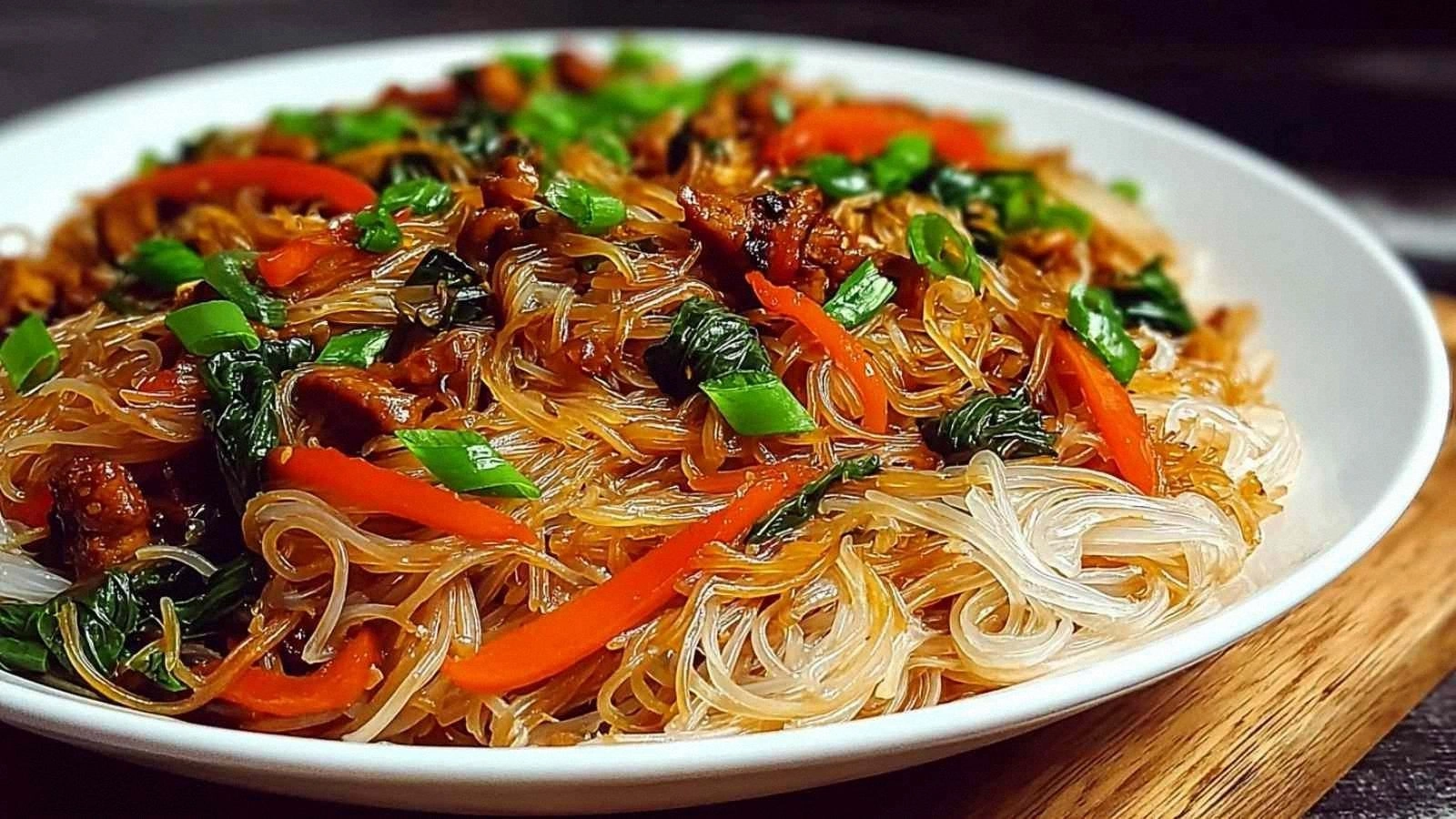
Picture yourself pulling this out of the wok, the whole kitchen smelling incredible, the steam rising like a fragrant cloud, and the plate shimmering with glossy noodles. The first bite is a burst of crispness and umami, followed by a subtle heat from the ginger that wakes up your senses. You’ll find yourself reaching for a second serving, then a third, as the flavors keep evolving with each chew. This is hands down the best version you’ll ever make at home, and I’m about to walk you through every single step—by the end, you’ll wonder how you ever made it any other way.
What Makes This Version Stand Out
- Texture: The noodles remain al dente, never turning into a sad mush. The bell pepper stays crisp, offering a satisfying crunch that contrasts beautifully with the tender broccoli. The carrots add a subtle sweetness that balances the savory sauce. Together, they create a dynamic mouthfeel that keeps each bite exciting.
- Flavor: Low‑sodium soy sauce provides a balanced umami profile without overwhelming the palate. The sesame oil adds a warm, nutty undertone that lingers, while fresh ginger injects a bright, zesty kick. The final sprinkle of toasted sesame seeds delivers a pleasant crunch and a burst of aroma. Every component works in harmony to elevate the dish.
- Heat Control: A high‑heat wok is essential for that quick sear that locks in juices. By mastering the temperature, you prevent the vegetables from steaming and preserve their natural colors and textures. The heat also caramelizes the edges of the noodles, giving them a subtle smoky note.
- Ingredient Quality: Using fresh, crisp vegetables and high‑quality protein ensures the dish is vibrant and flavorful. Fresh ginger, in particular, brings a clean heat that doesn’t get lost in the sauce. The choice of flat rice noodles, as opposed to wide ones, allows the sauce to cling better.
- Time Efficiency: Prep time is 15 minutes, cook time is 30 minutes, and the whole process is complete in 45 minutes. This makes it an ideal dinner for busy weekdays or a quick lunch on the weekend. The streamlined steps reduce kitchen clutter and keep the focus on flavor.
- Versatility: Whether you choose chicken, shrimp, tofu, or a mix of veggies, the recipe adapts effortlessly. The sauce remains the same, so you can switch proteins without altering the flavor profile. This flexibility makes the dish suitable for a variety of dietary preferences.
Alright, let's break down exactly what goes into this masterpiece…
Inside the Ingredient List
1. The Flavor Base
The low‑sodium soy sauce is the heart of the dish, providing depth and a subtle saltiness that balances the sweetness of the vegetables. It also acts as a binder, helping the sauce coat the noodles evenly. If you prefer a slightly sweeter profile, a splash of rice vinegar can be added, but keep the balance in check.
2. The Texture Crew
Flat rice noodles bring a delicate chew that complements the crisp vegetables. Their narrow shape allows the sauce to cling, creating a glossy finish. The bell pepper, broccoli florets, and carrots are julienned to ensure even cooking and a uniform bite. Each vegetable adds a distinct color, turning the dish into a visual feast.
3. The Unexpected Star
Fresh ginger is the unsung hero that injects a bright, zesty heat. Its aromatic oils infuse the oil and sauce, adding complexity that elevates the entire dish. When you slice ginger thinly, it releases more flavor and dissolves quickly, preventing any harsh bite.
4. The Final Flourish
Sesame seeds and green onions add the final layers of texture and aroma. Toasted sesame seeds bring a nutty crunch that contrasts the smooth noodles, while green onions provide a fresh, oniony brightness. Together, they finish the dish with a satisfying pop that keeps the palate engaged.
Everything's prepped? Good. Let's get into the real action…
The Method — Step by Step
- Step 1: Soak the Noodles – Place the flat rice noodles in a bowl of warm water and let them soak for 15 minutes. This softens them without cooking them, preserving their al dente bite. After soaking, drain thoroughly and set aside; a quick rinse in cold water helps prevent sticking during stir‑frying.
- Step 2: Prepare the Protein – While the noodles are soaking, slice your chosen protein (chicken, shrimp, or tofu) into bite‑size pieces. Season lightly with salt, pepper, and a pinch of cornstarch to help create a silky coating when cooked. This step ensures the protein stays juicy and gains a subtle crisp on the edges.
- Step 3: Heat the Wok – Preheat a large wok or skillet over high heat until it starts to emit a faint smoke. Add two tablespoons of cooking oil and swirl to coat. A hot surface is crucial; it creates a quick sear that locks in flavor and prevents the veggies from steaming.
- Step 4: Stir‑Fry the Protein – Toss the seasoned protein into the hot wok. Stir constantly for 2–3 minutes until it turns golden and is nearly cooked through. Remove immediately to avoid overcooking; the protein will finish in the sauce later. This step is where the magic of caramelization begins.
- Step 5: Watch Out for Overcooked Noodles – Return the noodles to the wok and toss them with a tablespoon of sesame oil and finely sliced ginger. The oil should shimmer, and the ginger should release a fragrant aroma within seconds. Be careful not to let the noodles sit too long; they can quickly become mushy if left unattended.
- Step 6: Add the Veggies – Push the noodles to one side of the wok and pour in a splash of water to prevent sticking. Add the bell pepper, carrots, and broccoli. Stir-fry for 3–4 minutes, allowing the vegetables to crisp yet remain bright. The brief water addition also helps the veggies steam slightly, keeping them tender.
- Step 7: Reintroduce the Protein – Return the protein to the wok, ensuring everything is well mixed. The protein now absorbs the aromatic oils and sauce, creating a harmonious blend of flavors. This step also allows the protein to finish cooking while the vegetables stay crisp.
- Step 8: Sauce It Up – Pour three tablespoons of low‑sodium soy sauce over the mixture. Add a tablespoon of water to thin the sauce slightly. Toss vigorously, ensuring each noodle and vegetable is coated. The sauce should cling to the noodles like velvet, creating a glossy finish.
- Step 9: Finish with Sesame Seeds and Green Onions – Sprinkle toasted sesame seeds and chopped green onions over the stir‑fry. Give everything one final toss to distribute the toppings evenly. The sesame seeds add a nutty crunch, while the green onions provide a fresh, bright note.
- Step 10: Plate and Serve – Transfer the finished dish to a serving platter or individual bowls. The aroma should be inviting, and the colors should pop. Serve immediately while hot for the best experience.
That's it — you did it. But hold on, I've got a few more tricks that'll take this to another level…
Insider Tricks for Flawless Results
The Temperature Rule Nobody Follows
Many cooks underestimate the importance of maintaining a consistently high temperature throughout the stir‑fry. A hot wok ensures a quick sear that locks in moisture and creates a caramelized crust on the noodles and protein. If the heat drops, the vegetables will steam instead of crisp, ruining the texture. Keep the flame steady and the oil shimmering, and you’ll achieve that coveted snap.
Why Your Nose Knows Best
Your sense of smell is a reliable guide for cooking stages. When the ginger starts to release its aroma, you know the oil is hot enough. The first faint scent of sesame oil indicates the perfect moment to add the noodles. Trusting these subtle cues ensures each component is cooked to perfection.
The 5‑Minute Rest That Changes Everything
After the final toss, let the dish rest for five minutes before serving. This brief pause allows the flavors to meld and the sauce to thicken slightly. The noodles absorb the remaining moisture, resulting in a richer, more cohesive bite. Skipping this step may leave the dish feeling thin.
The Secret of Fresh Ginger
Fresh ginger is essential for brightness, but its potency can vary. If you’re using pre‑cut ginger, taste it before adding; it may need a bit more to achieve the desired heat. Alternatively, grate the ginger right before cooking to release maximum flavor. This small tweak can transform a good stir‑fry into a standout dish.
The Perfect Sesame Oil Splash
Sesame oil is a flavor powerhouse, but its strong aroma can overpower if used in excess. Add a tablespoon at the start of the stir‑fry to coat the noodles, and another splash right before serving for a finishing touch. This layered approach ensures depth without overwhelming the palate.
The Quick Heat Switch
If you’re using a gas stove, the heat can fluctuate. Use the flame to your advantage by turning it slightly lower when adding the protein to prevent burning, then raise it again for the vegetables. This quick heat switch keeps the dish from sticking and ensures even cooking.
Creative Twists and Variations
This recipe is a playground. Here are some of my favorite ways to switch things up:
Protein Swap Showdown
Swap the default protein for lean pork, beef, or tempeh. Each choice brings a unique flavor profile—pork adds sweetness, beef offers a robust depth, and tempeh delivers a hearty, nutty note. Adjust the cooking time slightly to accommodate the different textures.
Veggie Party Remix
Add sliced mushrooms, snow peas, or baby corn for extra crunch and umami. The mushrooms absorb the sauce beautifully, while snow peas add a sweet snap. This remix turns the dish into a colorful, veggie‑filled feast.
Sweet & Spicy Fusion
Introduce a splash of sriracha or a drizzle of honey for a sweet‑spicy kick. The heat from the sriracha pairs wonderfully with the gentle sweetness of the carrots, creating a balanced flavor explosion. Adjust the amount to your heat tolerance.
Creamy Coconut Twist
Stir in a tablespoon of coconut milk during the sauce step for a silky, tropical twist. The coconut adds richness and a subtle sweetness that complements the savory sauce. This variation is perfect for those who love a creamy texture.
Quick & Easy Egg Addition
Whisk one or two eggs and pour them into the wok after the veggies. Let them scramble until just set, then mix with the noodles. The egg adds protein and a silky texture that blends seamlessly with the sauce.
Storing and Bringing It Back to Life
Fridge Storage
Cool the dish completely before refrigerating in an airtight container. It stays fresh for up to 3 days, maintaining its flavor and texture. The noodles may absorb some moisture, but a quick stir before serving restores their bite.
Freezer Friendly
For longer storage, freeze the stir‑fry in a freezer‑safe container for up to 2 months. When ready to eat, thaw overnight in the fridge. The noodles may soften slightly, but a quick stir‑fry will revive them.
Best Reheating Method
Reheat in a wok or skillet over medium heat, adding a splash of water or broth to loosen the sauce. Stir constantly until heated through and the noodles regain their glossy sheen. A tiny splash of water before reheating steams the dish back to perfection.