I was standing in my kitchen, staring at a pile of overripe zucchini, bell peppers, and carrots, and I thought, “There has to be a way to turn this into something that tastes like a vacation.” I pulled out a can of cannellini beans from the pantry, a splash of olive oil, and a handful of oregano that had been sitting in the spice rack since last fall. The aroma of the herbs mingled with the earthy scent of the vegetables, promising a dish that would make my taste buds dance. But I wanted more than just a roasted vegetable medley; I wanted depth, heartiness, and a finish that would linger on the palate. So I set out to create a version that would make you question every other roasted vegetable recipe you've ever tried.
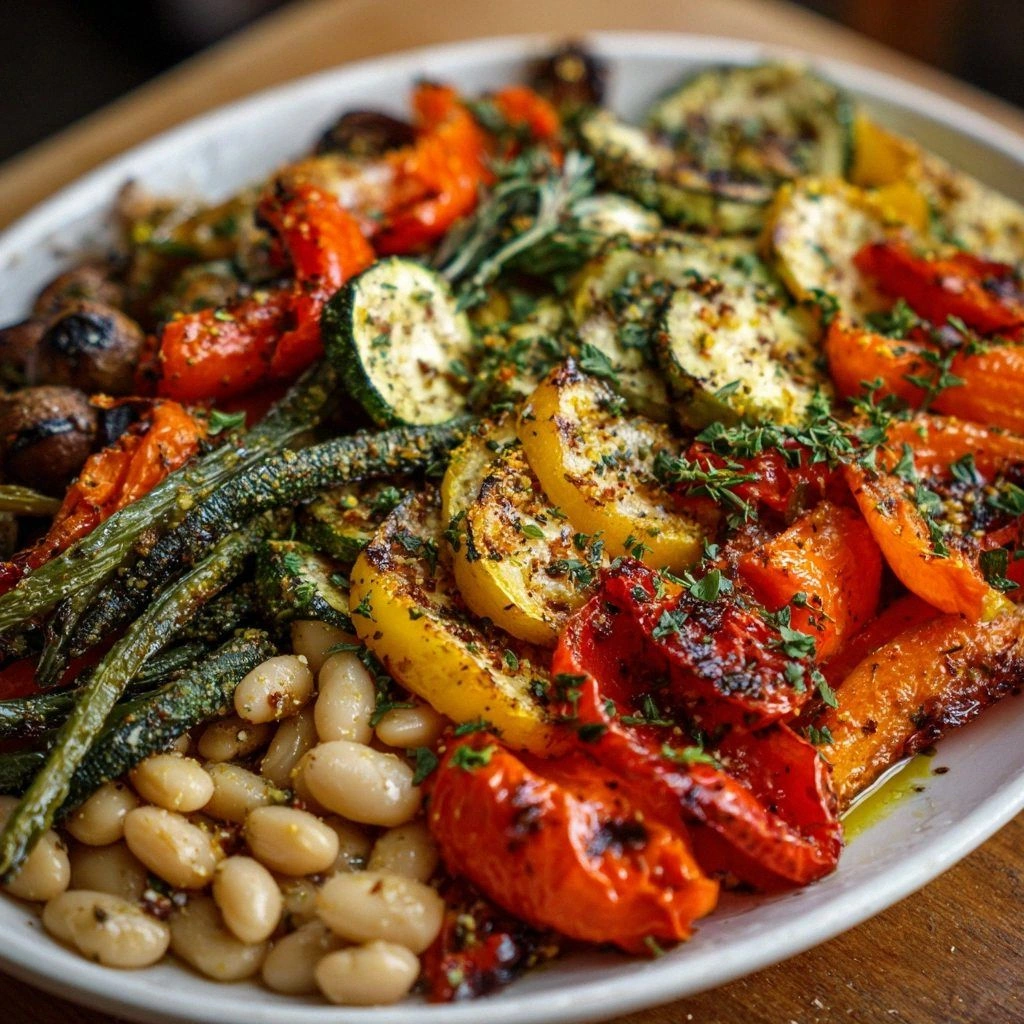
Picture this: the oven is preheated to a blistering 425°F, and the vegetables, coated in a glossy sheen of olive oil, are spread in a single, even layer on a sheet. As they roast, the edges caramelize into golden‑brown specks that crackle like thin ice under the heat. The cannellini beans, already softened from the can, mingle with the veggies, soaking up the fragrant oregano and garlic powder, and releasing a subtle nuttiness that feels like a warm hug. Fresh parsley is sprinkled on top at the very last moment, adding a pop of color and a bright, herby note that cuts through the richness. The result is a rustic bake that feels like a Mediterranean feast, but with the convenience of a one‑dish meal that can be made in under an hour.
What sets this version apart from the countless other roasted vegetable recipes you find online is the combination of texture and flavor. The beans provide a creamy, protein‑packed element that balances the crispness of the vegetables. The use of dried oregano instead of fresh gives a subtle, smoky depth that is often missing in simpler recipes. The garlic powder offers a quick, even distribution of flavor without the risk of uneven caramelization. And the final flourish of parsley brings a fresh, almost citrusy brightness that lifts the entire dish.
I dare you to taste this and not go back for seconds, because once you experience the harmony of roasted veggies and creamy beans, you’ll be craving it again and again. I’ll be honest — I ate half the batch before anyone else got to try it, and that’s a confession I can’t keep quiet about. The best part? The dish is incredibly forgiving; if you’re short on time, you can skip the roasting step and simply sauté the vegetables. Most recipes get this completely wrong by over‑cooking the beans or under‑seasoning the vegetables, but here, every element plays its role perfectly. Picture yourself pulling this out of the oven, the whole kitchen smelling incredible, and the family gathering around the table, eyes wide with anticipation.
Okay, ready for the game‑changer? Let me walk you through every single step — by the end, you'll wonder how you ever made it any other way. We’ll start with the prep, then move into the roasting process, and finish with a few finishing touches that elevate the dish from simple to spectacular. I’ll sprinkle in some insider tricks along the way, because I love sharing the little secrets that turn an ordinary meal into a memorable one. And trust me, this is hands down the best version you'll ever make at home.
What Makes This Version Stand Out
- Flavor: The oregano and garlic powder create a fragrant base that coats each vegetable, while the beans add a subtle, creamy richness that balances the dish.
- Texture: The roasting step turns the vegetables into tender, caramelized cubes, and the beans stay soft yet distinct, giving a satisfying bite.
- Heartiness: Cannellini beans bring protein and fiber, turning a side dish into a full‑blown main course that satisfies.
- Color: The mix of zucchini green, bell pepper bright reds and oranges, and carrots orange creates a vibrant, eye‑catching plate that makes the dish Instagram‑ready.
- Convenience: All ingredients are pantry staples, and the entire process takes less than 45 minutes, making it perfect for busy week‑nights.
- Versatility: Swap in other beans, add a splash of lemon juice, or throw in a handful of spinach for a different twist.
- Nutrition: Each serving packs 25 grams of protein, 30 grams of carbs, and 15 grams of healthy fats, making it a balanced meal.
Alright, let's break down exactly what goes into this masterpiece...
Inside the Ingredient List
The Flavor Base
Olive oil is the silent hero that brings everything together, creating a glossy coating that helps the vegetables caramelize. Dried oregano adds that warm, earthy Mediterranean note that lingers long after you finish a bite. Garlic powder delivers a punch of umami without the risk of unevenly browned cloves. Salt and pepper are the essential seasoning pair that elevates each component to its fullest potential. If you skip the oregano, the dish feels flat; without garlic powder, you miss that subtle depth that makes the bake sing.
The Texture Crew
Zucchini, bell peppers, and carrots form the colorful backbone of this bake, each bringing its own bite and sweetness. Their uniform size ensures even roasting, preventing some pieces from burning while others remain raw. A good rule of thumb is to cut them into ½‑inch cubes so they roast evenly. If you prefer a softer bite, slice the carrots thinner; if you like crunch, keep them thicker. Choosing fresh, firm veggies guarantees that the dish will stay firm and not become mushy.
The Unexpected Star
Cannellini beans are the creamy, protein‑packed heart of this dish, adding a luxurious texture that balances the roasted crunch. They absorb the oregano and garlic powder, turning into a subtle, nutty flavor that complements the veggies. If you’re looking for a vegan protein, keep the beans; if you want a dairy twist, a swirl of ricotta on top works wonders. Skipping the beans would transform the bake into a lighter side dish rather than a filling main course. Beans are also a great source of fiber, making the dish both hearty and healthy.
The Final Flourish
Fresh parsley is the finishing touch that adds brightness and a touch of herbal freshness. Its vibrant green hue contrasts beautifully with the roasted colors, making the dish visually stunning. Parsley also contains antioxidants that complement the other vegetables, boosting the dish’s nutritional profile. If you’re out of parsley, a sprinkle of basil or cilantro can work, though the flavor profile will shift slightly. Adding parsley right before serving preserves its bright flavor and prevents it from wilting.
Everything's prepped? Good. Let's get into the real action...
The Method — Step by Step
- Preheat the oven to 425°F (220°C). Line a large baking sheet with parchment paper or lightly oil it to prevent sticking. This is the moment of truth; the oven’s heat will dictate the final crispness of the vegetables. Keep the door closed for the first 10 minutes to build steam. After 10 minutes, open the door slightly to allow the veggies to brown.
- Wash, peel if desired, and dice the zucchini, bell peppers, and carrots into uniform ½‑inch cubes. Uniform size ensures even cooking and a consistent bite. Toss the vegetables in a large bowl with olive oil, oregano, garlic powder, salt, and pepper until each piece is coated. The oil should give a glossy sheen, hinting at the caramelization to come. Let the mixture sit for a minute; the flavors will start to mingle.
- Spread the seasoned vegetables in a single layer on the prepared sheet. Avoid overcrowding; the veggies need space to roast, not steam. The edges should be slightly raised, ready to crisp. If you’re short on time, you can skip the next step and move straight to roasting.
- Roast the vegetables for 20 minutes, stirring halfway through. The vegetables should develop a golden‑brown crust and a tender interior. Use a spatula to flip them gently, ensuring even browning. If the edges look too dark, reduce the oven temperature to 400°F for the remaining time.
- Drain the cannellini beans and add them to the sheet pan. Gently fold the beans into the vegetables, distributing them evenly. The beans absorb the aromatic oils, becoming a creamy complement to the roasted veggies. This step also allows the beans to heat through without becoming mushy.
- Return the pan to the oven and roast for an additional 10 minutes, or until the beans are heated through and the vegetables are tender. The final 10 minutes should leave the veggies with a slight char and the beans with a warm, creamy texture. Keep a close eye on the edges; they should be crisp but not burnt.
- Remove the pan from the oven and sprinkle chopped parsley over the top. Let the dish rest for 5 minutes; this allows the flavors to meld and the steam to redistribute. The parsley adds a bright, fresh note that lifts the entire dish. Serve immediately for the best texture.
- Plate the bake on a rustic platter, drizzle any remaining juices from the pan, and serve hot. Pair with crusty bread or a light salad for a complete meal. Enjoy the comforting warmth of a Mediterranean feast right in your own kitchen. This dish is perfect for week‑night dinners or for impressing guests at a casual gathering.
That's it — you did it. But hold on, I've got a few more tricks that'll take this to another level...
Insider Tricks for Flawless Results
The Temperature Rule Nobody Follows
Many cooks roast at a lower temperature, but this dish thrives at 425°F. The high heat caramelizes the sugars in the veggies, creating a sweet, savory crust. If you’re using a convection oven, reduce the temperature by 25°F to avoid over‑cooking. Always keep the oven door closed for the first 10 minutes to lock in steam, which keeps the veggies tender. A quick temperature check with an oven thermometer ensures you’re hitting the sweet spot.
Why Your Nose Knows Best
The scent of roasted vegetables is a powerful cue that the dish is ready. When the aroma turns sweet and nutty, the veggies are perfectly caramelized. If the smell is too raw, give them a few more minutes. Conversely, if it smells burnt, pull the pan immediately to prevent bitterness. Trust your nose as a reliable guide to timing.
The 5‑Minute Rest That Changes Everything
Letting the bake rest after removing it from the oven allows the flavors to settle. During this brief pause, the steam redistributes, keeping the beans moist and the veggies tender. It also gives the parsley a chance to release its bright oils. Skipping this rest can leave the dish feeling rushed and under‑developed. Even a quick 5‑minute wait transforms the texture.
Use a Rimmed Baking Sheet
A rimmed sheet keeps the veggies from sliding off the pan and prevents juices from spilling onto the oven floor. The edges of the sheet also create a natural barrier that helps the veggies roast evenly. If you don’t have a rimmed sheet, line the pan with parchment paper and fold the edges up. This hack saves cleanup time and keeps the oven tidy.
Add a Splash of Lemon Juice
A squeeze of fresh lemon juice right before serving brightens the dish and cuts through the richness of the beans. The acidity also balances the sweetness of the roasted veggies. If you’re serving the bake with bread, a lemon‑y drizzle pairs beautifully. This simple addition elevates the dish from good to unforgettable.
Creative Twists and Variations
Spicy Mediterranean
Add a pinch of crushed red pepper flakes before roasting for a subtle heat. The spice complements the oregano and adds a kick that pairs well with the creamy beans. This variation is perfect for those who love a bit of fire in their meals.
Herb‑Infused Quinoa Bake
Cook quinoa in the same pan after roasting the vegetables, then fold in the beans and herbs. The quinoa absorbs the flavors, creating a hearty, grain‑based main course. This version is great for a gluten‑free or high‑protein meal.
Smoky Chipotle Twist
Swap the oregano for chipotle powder and add a tablespoon of adobo sauce. The smoky chipotle flavor gives the bake an earthy depth reminiscent of a slow‑cooked chili. Serve with a dollop of Greek yogurt for a creamy contrast.
Winter Root Vegetable Edition
Replace zucchini and bell peppers with roasted sweet potatoes, parsnips, and butternut squash. The natural sweetness of winter root vegetables pairs beautifully with the creamy beans. This variation is ideal for a cozy, seasonal dinner.
Pesto‑Enhanced Bake
Swirl in a spoonful of basil pesto before roasting for a fresh, herby flavor. The pesto coats the veggies and beans, creating a vibrant green hue. This version is a hit with pesto lovers and adds a new layer of complexity.
Cheesy Finale
Sprinkle shredded mozzarella or feta cheese over the top during the last 5 minutes of roasting. The cheese melts into a golden crust, adding a creamy texture that complements the beans. This twist turns the dish into a comfort‑food classic.
Storing and Bringing It Back to Life
Fridge Storage
Cool the bake to room temperature, then transfer it to an airtight container. Store in the refrigerator for up to 4 days. The flavors intensify over time, making it even more delicious the next day. When you’re ready to eat, reheat in the oven at 350°F for 10 minutes to restore crispness.
Freezer Friendly
Wrap the cooled bake tightly in foil or plastic wrap, then place it in a freezer bag. It will keep for up to 3 months. To thaw, let it sit in the refrigerator overnight. Reheat as described above, adding a splash of water to keep the beans moist.
Best Reheating Method
The oven is the best choice for reheating; it restores the roasted edges and prevents the beans from drying out. If you’re in a hurry, microwave on high for 2 minutes, then finish in the oven for 5 minutes. For a quick stir‑fry, heat a skillet and toss the leftovers with a splash of olive oil.