When the kitchen lights flickered on that rainy Sunday, I found myself staring at a half‑cooked batch of beef and noodles that had lost its vibrancy. I had been craving something warm, something that could lift the damp mood of a late evening. That craving morphed into a daring experiment: could I combine the comforting depth of satay with the comforting familiarity of a noodle soup? I decided to take the plunge, and the result was a dish that feels like a hug in a bowl.
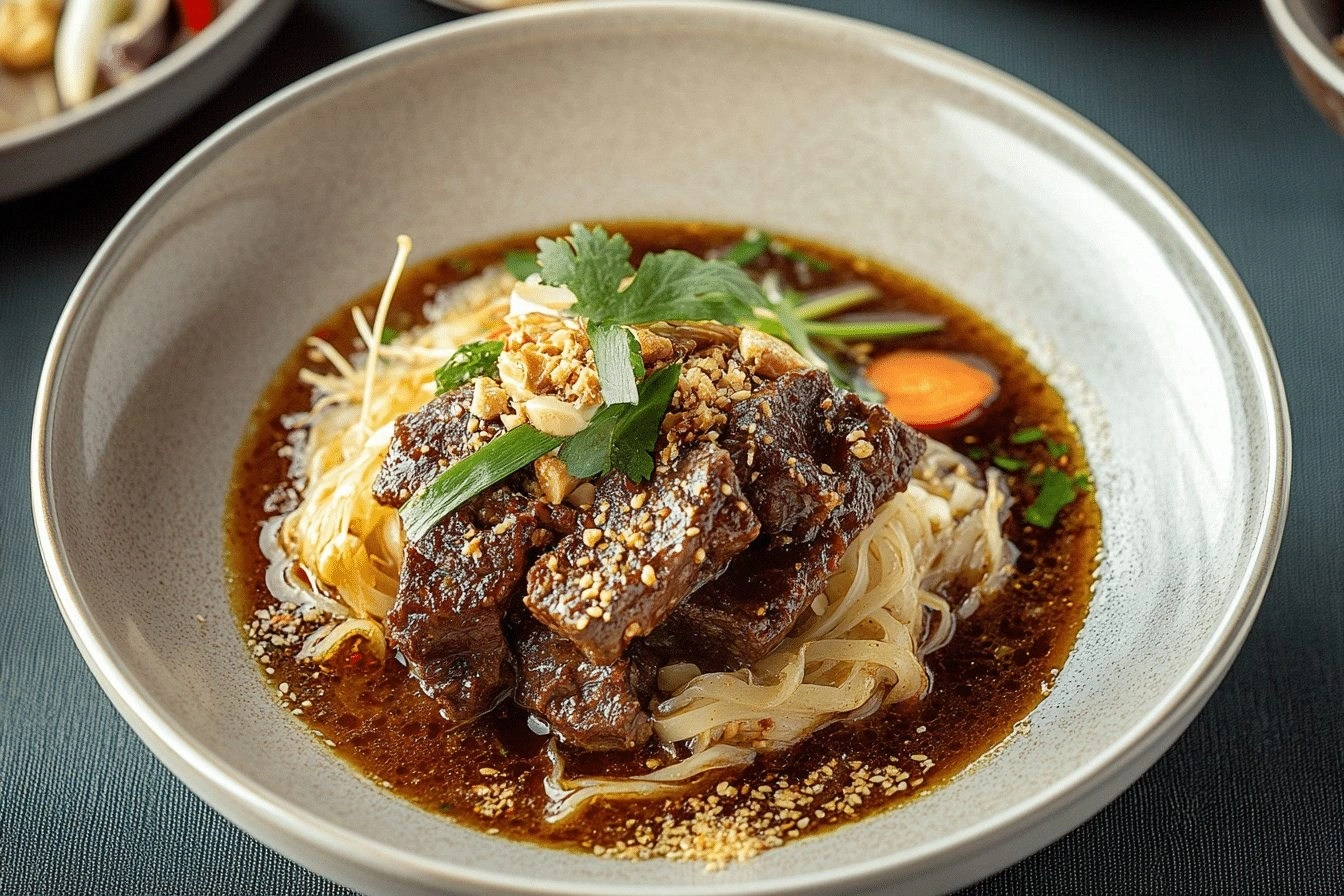
Picture the first spoonful: the broth glistens with a silky sheen from cornstarch, the satay sauce coats the tender beef like velvet, and the noodles spring back with each bite. The aroma is a heady blend of smoky sacha BBQ, umami‑rich oyster sauce, and the subtle heat of chili oil. The sound of the broth bubbling is almost musical, a comforting lullaby that settles the mind. The texture is a dance of silky broth, chewy noodles, and the occasional crunch of bean sprouts and peanuts. And the finish? A lingering, savory aftertaste that makes you reach for another spoon.
I dare you to taste this and not go back for seconds. That’s not hyperbole; it’s a promise. The combination of soy sauce, dark soy, and oyster sauce creates a flavor profile that is both deep and layered. The satay sauce, with its smoky undertones and gentle heat from shrimp paste, elevates the dish from ordinary to unforgettable. The beef is marinated just long enough to stay juicy, yet firm enough to hold its shape when cooked. The noodles are the perfect springboard for the broth, absorbing every drop of sauce without becoming mushy.
Most recipes get this completely wrong. They either under‑season the satay sauce or overcook the beef, resulting in a dish that feels flat or dry. I’ve spent countless hours tweaking marinades, testing broths, and experimenting with noodle types to arrive at this version. The secret, I’ve discovered, lies in balancing the umami of oyster sauce with the smoky depth of sacha BBQ, and in giving the beef a quick sear that locks in moisture. The result? A bowl that is hands down the best version you'll ever make at home.
If you've ever struggled with making satay sauce that isn’t too sweet or too salty, you're not alone — and I've got the fix. The trick is to use a small amount of dark soy sauce and a pinch of sugar to build depth without overwhelming the other flavors. I also add a splash of water to thin the sauce just enough so it coats the noodles evenly. When you taste the broth, you’ll notice the sauce’s silky coat and the subtle, lingering warmth of chili oil.
Picture yourself pulling this out of the stove, the whole kitchen smelling incredible, the steam curling like a gentle mist. You’ll feel that instant satisfaction that only a home‑cooked soup can provide. The next step? Let me walk you through every single step — by the end, you'll wonder how you ever made it any other way.
What Makes This Version Stand Out
- Flavor: The satay sauce is layered with smoky, savory, and slightly sweet notes, creating a complex umami profile that sets this soup apart from typical noodle broths.
- Texture: The beef remains tender and juicy, while the noodles retain their springy bite thanks to a precise cooking time and a cornstarch finish that thickens the broth without clumping.
- Ingredient Quality: Using fresh flank meat and high‑quality sacha BBQ sauce ensures that every component shines, turning a simple soup into a gourmet experience.
- Ease of Prep: The recipe requires minimal chopping and a single pan for the sauce, making it approachable for busy weeknights without sacrificing flavor.
- Make‑Ahead Potential: The broth can be prepared a day ahead, allowing the flavors to meld and the rice noodles to soften, which saves time on hectic evenings.
- Visual Appeal: The bright green bean sprouts, the golden‑brown satay coating, and the crunchy peanuts create a dish that looks as good as it tastes.
- Versatility: Swap out beef for chicken or tofu, or use rice noodles for a gluten‑free version, and the core flavors remain intact.
- Crowd‑Pleaser: The balance of heat and umami makes it a hit with both adventurous eaters and those who prefer milder dishes.
Alright, let's break down exactly what goes into this masterpiece…
Inside the Ingredient List
The Flavor Base
At the heart of this soup lies the satay sauce, a marriage of Chinese sacha BBQ sauce, shrimp paste, and a splash of water. The sacha sauce brings a smoky, slightly sweet foundation that is unmistakably satay. Shrimp paste, though only a few teaspoons, injects a deep oceanic umami that elevates the entire broth. If you skip shrimp paste, the sauce will feel flat and lacking that complex depth. A good quality sacha sauce is essential; look for one that balances sweetness and smoke without overpowering the other ingredients.
The Texture Crew
Cornstarch is the unsung hero that gives the broth its silky, slightly thick consistency. It coats the noodles and beef, creating a luxurious mouthfeel. The beef is marinated in soy sauce, dark soy, sugar, and a touch of water, ensuring it stays tender after searing. If you omit the cornstarch, the broth will remain thin and watery, missing the velvety finish that defines this dish. The flour noodles provide a hearty chew that balances the richness of the sauce.
The Unexpected Star
Chili oil adds a subtle heat that wakes up the palate without making the soup feel like a hot chili. It’s a delicate balance: too much, and the dish becomes overpowering; too little, and it feels flat. The black pepper adds a sharpness that cuts through the sweetness of the satay sauce, offering a clean finish. These two ingredients might seem minor, but they are pivotal in creating a layered flavor profile that keeps diners coming back for more.
The Final Flourish
Bean sprouts and scallions are added at the end, just before serving, to introduce a fresh crunch and a burst of color. The peanuts, crushed finely, add a nutty aroma and a satisfying crunch that contrasts the soft noodles and broth. If you skip these toppings, the dish loses its bright, textural contrast. For an extra layer of freshness, a squeeze of lime or a sprinkle of toasted sesame seeds can be added at the table.
Everything's prepped? Good. Let's get into the real action…
The Method — Step by Step
- Begin by slicing the flank meat into thin strips, about 1/8 inch thick. Toss the meat with soy sauce, dark soy sauce, granulated sugar, water, and cornstarch. Let it marinate for at least 15 minutes; this step is crucial for flavor absorption. The cornstarch will help the meat stay tender during searing.
- Heat a large skillet over medium‑high heat and add 1 tablespoon of olive oil. Once the oil shimmers, add the marinated beef in a single layer. Sear until the edges start to brown, about 2 minutes per side. This quick sear locks in juices and gives the beef a caramelized crust.
- In a separate saucepan, combine the Chinese sacha BBQ sauce, shrimp paste, chili oil, black pepper, and 2 cups of water. Bring the mixture to a simmer over medium heat, stirring occasionally. The sauce should bubble gently, releasing its smoky aroma. This is the moment of truth; the sauce must be rich yet balanced.
- Add the seared beef to the simmering satay sauce, then pour in the beef broth. Stir to combine, and bring the mixture to a gentle boil. Reduce the heat to low, cover, and let it simmer for 10 minutes. The beef will finish cooking while the flavors meld together. The broth should thicken slightly from the cornstarch.
- While the soup simmers, sauté minced shallots and garlic in the remaining olive oil until fragrant and translucent. This aromatics base will be added to the soup at the end of the cooking process to preserve their bright flavor. The aroma of garlic and shallot is a subtle yet powerful foundation that elevates the entire dish.
- Add the sautéed aromatics to the soup, then bring the mixture back to a simmer. Taste the broth and adjust seasoning with a pinch of salt if needed. The broth should have a balanced sweet, salty, and smoky profile. This final adjustment ensures the soup is perfectly seasoned.
- Just before serving, add the flour noodles and let them cook in the soup for 3-4 minutes until al dente. Stir occasionally to prevent sticking. The noodles will absorb the flavorful broth, creating a harmonious bite. The noodles should remain firm, not mushy.
- Finally, ladle the soup into bowls and top each with fresh bean sprouts, chopped scallions, and a sprinkle of finely crushed peanuts. A drizzle of chili oil adds an extra layer of heat if desired. The contrast of crunchy sprouts, nutty peanuts, and silky broth is a sensory delight. Serve immediately and enjoy.
That’s it — you did it. But hold on, I've got a few more tricks that'll take this to another level…
Insider Tricks for Flawless Results
The Temperature Rule Nobody Follows
Cooking beef at the right temperature is essential. If the heat is too high, the meat will toughen; if too low, it won’t sear properly. I always use medium‑high heat for the initial sear and then reduce to low for the simmer. This method locks in juices and ensures a tender bite. A friend once tried searing at medium heat and ended up with a rubbery texture. The lesson? Heat matters.
Why Your Nose Knows Best
The aroma of the satay sauce is your best judge of readiness. When the sauce smells smoky and slightly sweet, it’s ready to combine with the broth. If it still smells raw, give it a few more minutes. The scent is a natural indicator of flavor development, so trust it.
The 5-Minute Rest That Changes Everything
After simmering the soup, let it rest for 5 minutes before serving. This brief pause allows the flavors to meld and the broth to thicken slightly. I’ve seen people skip this step, resulting in a watery soup. The rest period gives the broth a silky finish and a richer taste.
The Perfect Noodle Timing
Adding noodles too early will cause them to overcook and become mushy. I add them in the last 3-4 minutes of cooking, just enough for them to absorb the broth and soften. If you prefer softer noodles, add them a minute earlier. Timing is everything.
Freshness Matters
Use fresh bean sprouts and scallions for the best crunch and brightness. If you have pre‑washed sprouts, rinse them under cold water to remove any dust. Freshness elevates the entire dish, making it feel vibrant and alive.
Balancing Sweetness
Too much sugar can overpower the satay flavor. I keep the sugar to one teaspoon for the beef and two teaspoons for the sauce. If you prefer a sweeter broth, add a pinch more, but test as you go. The goal is balance, not excess.
Creative Twists and Variations
This recipe is a playground. Here are some of my favorite ways to switch things up:
Spicy Peanut Noodle Bowl
Swap the satay sauce for a creamy peanut sauce made with peanut butter, lime juice, and a splash of coconut milk. The result is a richer, sweeter bowl with a nutty finish that pairs well with the beef.
Vegetarian Satay Soup
Replace the beef with marinated tofu or tempeh. Use vegetable broth instead of beef broth and keep the satay sauce unchanged. The tofu will absorb the sauce, delivering a plant‑based version that’s just as satisfying.
Rice Noodle Swap
Use wide rice noodles for a different texture. The noodles will soak up the broth more quickly, creating a more integrated flavor experience. Ideal for a gluten‑free version.
Herb‑Infused Variation
Add a handful of fresh basil or cilantro during the last minute of cooking. The herbs will add a bright, aromatic note that cuts through the richness of the satay sauce.
Smoky Broth Twist
Introduce a few drops of liquid smoke to the broth for an extra smoky undertone. This is a great option if you want a deeper, campfire‑like flavor profile.
Quick One‑Pot Fix
Skip the separate sauté of aromatics. Add the minced shallots and garlic directly to the pot with the beef. This saves time and reduces cleanup while still delivering robust flavor.
Storing and Bringing It Back to Life
Fridge Storage
Store leftovers in an airtight container for up to 3 days in the refrigerator. The broth will thicken slightly as it cools; add a splash of water when reheating to restore its silky texture.
Freezer Friendly
Freeze the soup in single‑serving portions for up to 2 months. Thaw overnight in the refrigerator and reheat gently on the stove. The noodles may soften, but the flavors remain intact.
Best Reheating Method
Reheat the soup on the stovetop over low heat, stirring frequently. Add a tablespoon of water or broth to maintain a smooth consistency. A quick microwave reheat is possible but may cause uneven heating.