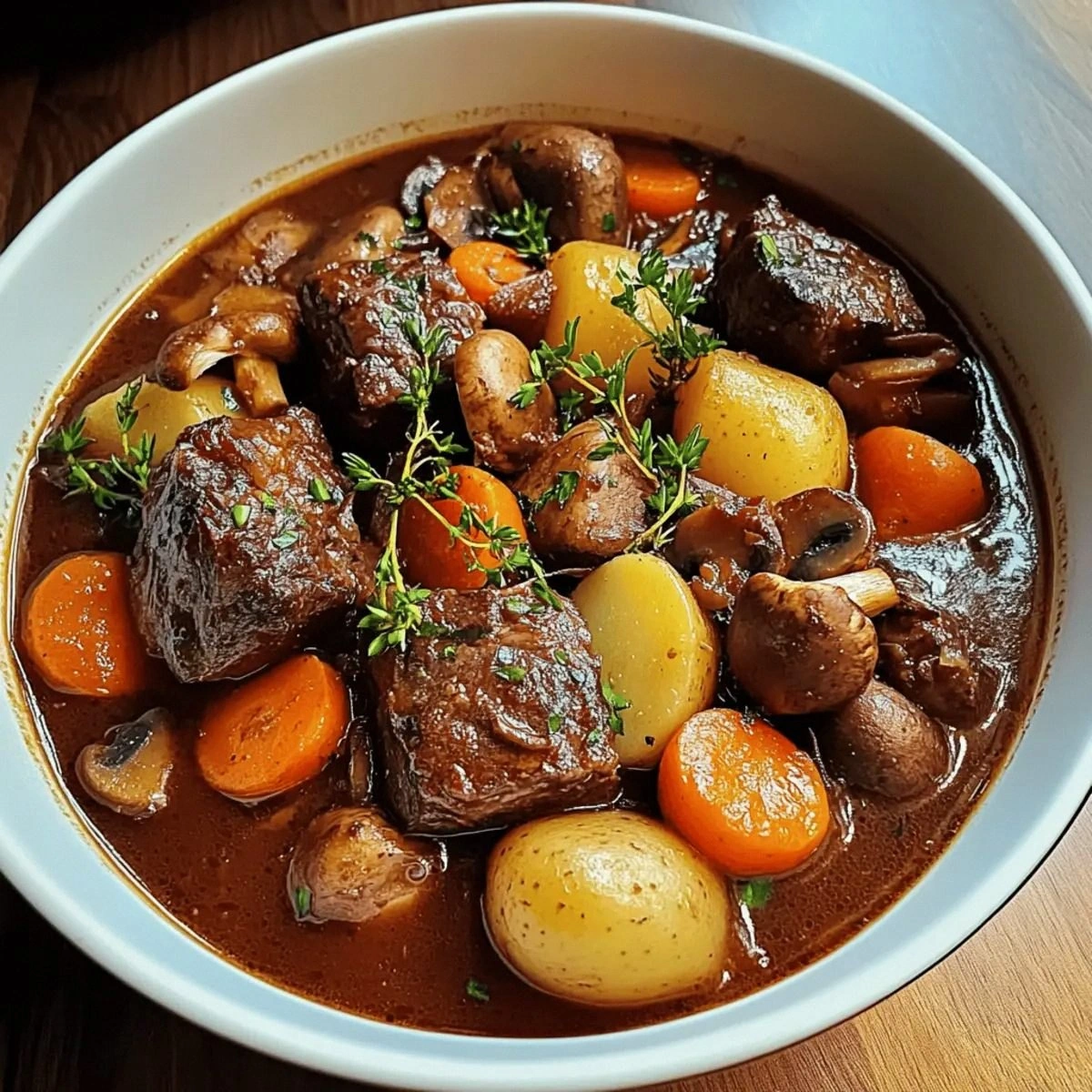
Last Tuesday, the sky outside my kitchen window looked like a wet wool blanket and my radiator was making that half-dead whale sound that means winter has officially barged in uninvited. I had two choices: crawl under a fleece blanket and sulk, or transform the gloom into something glorious. I chose the latter, and that decision led me to what I now call The Great Beef Revelation—a French beef stew so soul-warming it should come with its own fireplace soundtrack. Picture this: beef so tender it sighs apart at the mere suggestion of a fork, vegetables that taste like they spent a semester abroad in flavor town, and a broth so glossy you could check your reflection in it. I’m talking about the kind of stew that makes you close your eyes involuntarily after the first spoonful, the kind that convinces you that maybe the cold isn’t such a bad thing if it drives you toward this level of comfort.
I’ve made plenty of beef stews in my life—some decent, some forgettable, one that tasted like a cardboard box had a midlife crisis in my Dutch oven—but this one right here is the heavyweight champion. It’s the love-child of a classic boeuf bourguignon and your favorite cozy blanket, with a few sneaky upgrades that will make you feel like you’ve unlocked a secret level in cooking. The best part? You don’t need fancy gadgets or twenty years of culinary school; you just need patience, a sturdy pot, and the willingness to let your kitchen smell like a Parisian bistro for an afternoon. Trust me, your neighbors will start lingering by your door with empty bowls and hopeful eyes.
Okay, ready for the game-changer? We’re going to brown the beef until it’s darker than your ex’s heart, then deglaze with red wine so good you might be tempted to drink the measuring cup. We’ll layer in vegetables at two different stages so half melt into the sauce and the other half stay perky and bright. And—stay with me here—this next part is worth it—we’re finishing with a shower of fresh parsley that turns the whole thing from “hearty brown blob” to “I could photograph this for a magazine and still dive in face-first.” Let me walk you through every single step—by the end, you’ll wonder how you ever made it any other way.
What Makes This Version Stand Out
Depth Overload: Instead of tossing everything into the pot at once, we build flavor like a symphony—first the beef, then the aromatics, then tomato paste for umami depth, and finally a slow braise that marries every note into a crescendo of rich, velvety goodness.
Vegetable Two-Step: Carrots go in early to sweeten the broth, but mushrooms and pearl onions wait until the final 30 minutes so they keep their texture and don’t turn into sad, soggy sponges floating in your dinner.
Wine That Works: Most recipes get this completely wrong—using cooking wine that tastes like vinegar punishment. We’re using a real, drinkable red wine, something you’d happily serve guests, and it makes the sauce taste like you hired a French grandmother as a consultant.
Flour Power: A light dusting of flour on the beef before searing creates tiny crispy edges that later thicken the stew naturally, eliminating the need for cornstarch slurries that can taste like elementary-school paste.
Make-Ahead Magic: This stew laughs in the face of time; make it Sunday, refrigerate, and Tuesday it tastes even better as the flavors elope overnight and return more in love than ever.
Crowd Reaction Guarantee: I’ve served this to picky toddlers, snobby food-blog friends, and my meat-and-potatoes dad—they all go back for thirds and request the recipe before the bowls are even empty. I dare you to taste this and not go back for seconds.
One-Pot Wonder: From browning to serving, everything happens in a single Dutch oven, meaning fewer dishes and more time to bask in the compliments rolling in from anyone within smelling distance.
Alright, let’s break down exactly what goes into this masterpiece...
Inside the Ingredient List
The Flavor Base
Beef chuck is the undisputed king of stews because it’s laced with just enough collagen and fat to melt into spoon-tender paradise after a long simmer. Skip the lean cuts—they’ll tighten up like a stressed-out violin string and leave you chewing for days. Look for deep red pieces with creamy white marbling; if the fat looks yellow or waxy, march to another butcher. Cut the chunks into roughly two-inch pieces—too small and they’ll shred into baby food, too big and they’ll hog all the space in your spoon. And now the fun part: pat them insanely dry with paper towels; moisture is the enemy of that gorgeous mahogany crust we’re chasing.
Onions and garlic form the aromatic backbone, but we’re giving them VIP treatment. Slice the onions into half-moons so they release natural sugars when they hit the hot fat, and mince the garlic so fine it practically dissolves, preventing any acrid burnt bits later. If you’ve ever bitten into a chunk of half-cooked garlic in a stew, you know why this matters—it’s like getting slapped by a vampire.
The Texture Crew
Carrots bring honeyed sweetness that balances the wine’s tannins; choose the chubby ones with bright green tops still attached—they’re basically the carrot equivalent of someone who drinks enough water and gets eight hours of sleep. Pearl onions are the cute button cousins of regular onions, and they roast into buttery balloons that pop in your mouth. Buy them frozen and already peeled unless you enjoy spending your afternoon wrestling with papery skins and tears streaming down your face like you just watched a puppy-rescue movie.
Potatoes act as edible spoons, soaking up broth while keeping their shape. Go for waxy varieties like Yukon Gold; russets will dissolve like they’ve got social anxiety and disappear into the sauce. Cube them into hearty bites—nobody wants a potato crumb in their stew.
The Unexpected Star
Mushrooms bring an earthy bass note that makes the whole dish taste deeper and more mysterious, like it’s keeping delicious secrets. Use cremini or baby bella; white mushrooms taste of nothing and button mushrooms are basically crunchy water. Slice them thick so they don’t vanish into the gravy, and sauté until their edges turn golden—this is where that umami bomb gets armed.
The Final Flourish
Fresh parsley might sound boring, but it’s the confetti that wakes everything up at the end. Chop it just before serving so it stays perky and bright, and don’t you dare substitute dried—it tastes like lawn clippings that gave up on life. A shower of green over the dark stew creates a color contrast that makes everyone’s brain scream “fresh and vibrant” before they even taste it.
Everything’s prepped? Good. Let's get into the real action...
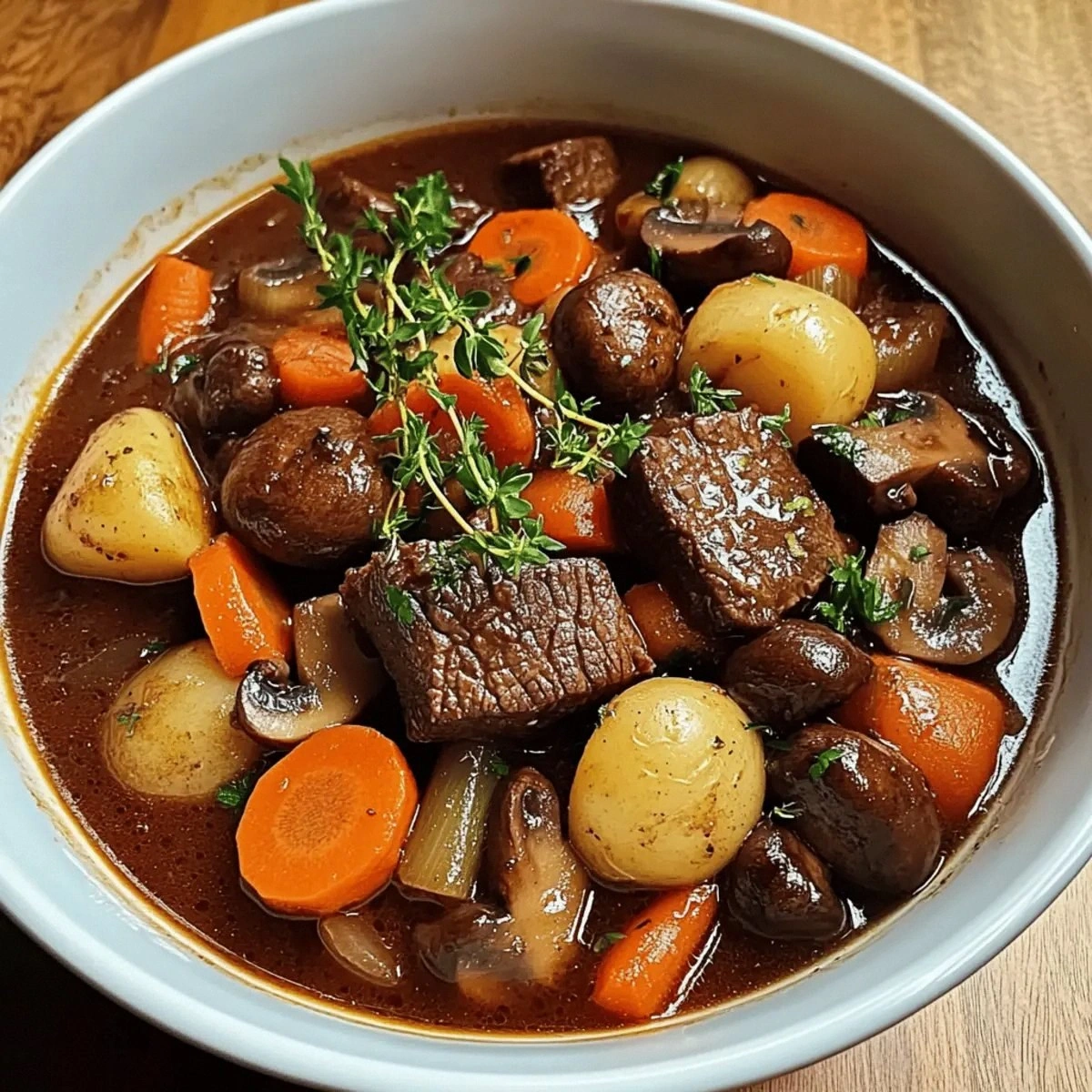
The Method — Step by Step
- Heat your Dutch oven over medium-high until a drop of water skitters across the surface like it’s late for a meeting, then add the olive oil. It should shimmer immediately; if it smokes, the pot’s too hot—pull back the heat and let it chill for a minute. Pat the beef chunks bone-dry again (yes, again), season with salt and pepper, and lay them in the pot so each piece touches the metal like eager sunbathers on metal lounge chairs. Don’t crowd them; work in batches if you must, because steamed gray beef is the tragic prequel to delicious brown beef. Let them sear undisturbed for about three minutes—this is the moment of truth—then flip when they release easily and the underside looks like a well-broken-in leather belt. That sizzle when it hits the pan? Absolute perfection.
- While the beef browns, chop your aromatics and keep them in separate piles like well-behaved schoolchildren waiting their turn. Once the meat is caramelized on at least two sides, transfer it to a bowl and marvel at the gorgeous brown bits stuck to the pot—those are flavor fossils, and we’re about to excavate them with liquid gold. Lower the heat to medium and toss in the onions; stir with a wooden spoon, scraping the bottom like you’re solving an ancient treasure map. When the onions turn translucent and start to brown at the edges, add the garlic and cook just until fragrant, about thirty seconds. Don’t walk away from the stove here; garlic burns faster than gossip spreads at a family reunion.
- Sprinkle the flour over the onions and stir for a full minute so it toasts slightly and loses that raw, pasty taste. The mixture will look like beige wet sand—this is exactly right and will thicken our stew later. Pour in a splash of red wine and watch it bubble up like a delighted witch’s cauldron, loosening every last bit of beefy goodness. Stir until the bottom of the pot is as clean as if you scrubbed it, then add the rest of the wine, beef stock, tomato paste, bay leaf, thyme, and a healthy pinch of salt and pepper. Bring it to a simmer; the aroma should make you involuntarily mutter “oh my goodness” even if you live alone and the cat is judging you.
- Return the beef and any juices to the pot, nestling the chunks so they’re mostly submerged. They should look like tiny islands in a dark red sea, and you should feel an overwhelming urge to dive in. Cover the pot with a tight-fitting lid, reduce the heat to low, and let it burble gently for ninety minutes. This is where the magic happens: collagen breaks down, tough fibers relax, and flavors mingle like guests at the best dinner party ever. Set a timer and go do something productive—fold laundry, phone your mom, learn a TikTok dance—just don’t open the lid every ten minutes or you’ll let all the steam escape and the stew will take revenge by staying tough.
- After ninety minutes, lift the lid and behold the transformation: the liquid will have darkened and thickened, the meat will look relaxed, like it just sighed after a long day. Add the carrots, stir, and re-cover for twenty minutes so they can soften and sweeten the broth. Meanwhile, heat a skillet over medium, add a drizzle of oil, and sauté the mushrooms until their edges caramelize and they shrink into meaty nuggets—this step deepens their flavor and prevents them from sliming out in the stew. Watch out: they’ll hiss and release water at first, then the pan will go quiet—this is when browning begins and pure magic happens.
- Add the pearl onions and potatoes to the pot, then slide in the sautéed mushrooms and any juices. The pot will look ridiculously full; press everything down so it’s mostly submerged, cover, and simmer another thirty minutes. During this final stretch, the potatoes soak up flavor, the pearl onions turn into buttery balloons, and the stew thickens to a glossy gravy that coats your spoon like velvet. Your kitchen will smell so good that delivery drivers might accidentally walk into your house instead of the neighbor’s.
- Uncover, fish out the bay leaf (it’s done its heroic duty), and taste the sauce. Adjust salt and pepper fearlessly—this is your moment of seasoning triumph. If you want it thicker, let it simmer uncovered for ten minutes; if it’s too thick, splash in a bit of stock or water. Stir in half the fresh parsley, saving the rest for a vibrant shower right before serving. Ladle into deep bowls, making sure everyone gets a fair share of beef, vegetables, and brothy bliss. Sprinkle the remaining parsley on top for that confetti finish, then step back and accept the applause.
- Let the stew rest for five minutes off heat before serving; this brief pause lets the fat rise slightly so you can skim it if you want, and allows the vegetables to settle so they don’t slide off your spoon like tiny edible avalanches. Serve with crusty bread for sopping, or over egg noodles if you like your stew to have a pasta playdate. And now the fun part—watch your guests close their eyes in involuntary bliss, then ask for seconds before they’ve even swallowed the first bite. That’s it—you did it. But hold on, I’ve got a few more tricks that’ll take this to another level...
Insider Tricks for Flawless Results
The Temperature Rule Nobody Follows
Keep your braising liquid at the gentlest simmer—just one bubble rising every second or two. Anything more vigorous and the meat fibers contract like scared hedgehogs, turning your stew into chewy nuggets swimming in tasty water. If you see rapid bubbling, lower the heat immediately or park a heat diffuser under your pot. A friend tried skipping this step once—let’s just say it didn’t end well, and her dinner guests politely chewed for what felt like hours. Low and slow is not a cliché; it’s a scientific necessity.
Why Your Nose Knows Best
If the stew smells sharp or winey after thirty minutes, it needs more time. Alcohol burns off gradually, leaving behind fruity complexity. Trust your nose: when the aroma turns rich, meaty, and slightly sweet, you’re on the right track. If it still smells like a college party, keep simmering uncovered for ten minutes and retest. Your olfactory system is basically a built-in sommelier—listen to it.
The 5-Minute Rest That Changes Everything
Once the stew is finished, let it sit off heat for five to ten minutes before serving. This pause allows the meat fibers to reabsorb some juices, preventing a flood of liquid when you cut into a chunk. It also brings the temperature down to that perfect “hot but won’t burn your tongue” zone, so flavor registers properly on your taste buds. I’ll be honest—I ate half the batch before anyone else got to try it because I skipped this rest and couldn’t stop myself.
Creative Twists and Variations
This recipe is a playground. Here are some of my favorite ways to switch things up:
Bourbon & Bacon Bonanza
Replace half the wine with bourbon and add three strips of chopped bacon at the onion stage. The smoky, boozy twist tastes like a cowboy studied abroad in France and came home with stories.
Mushroom-Free Zone
If you’ve ever struggled with mushroom texture, you’re not alone—and I’ve got the fix: swap them for diced turnips or parsnips. They bring earthy sweetness without the fungal chew.
Spicy Southwest Edition
Add a minced chipotle in adobo and a teaspoon of smoked paprika. The stew turns into a fiery fiesta that pairs beautifully with cornbread instead of baguette slices.
Herbaceous Spring Fling
Toss in a handful of fresh tarragon and replace potatoes with cannellini beans for a lighter, spring-ier vibe. It feels like the stew put on a floral dress and started day-drinking rosé.
Surf & Turf Upgrade
Five minutes before serving, nestle in a dozen peeled shrimp. They poach in the gravy and turn the dish into coastal comfort food that screams vacation in every bite.
Vegetarian But Still Rich
Substitute beef with hearty portobello cubes and use mushroom stock. Add a spoonful of miso paste for that elusive umami depth—nobody will miss the meat.
Storing and Bringing It Back to Life
Fridge Storage
Cool the stew completely, then ladle into airtight glass containers; it keeps for up to four days. Store bread separately so it doesn’t dissolve into sad soggy croutons. Reheat gently on the stove with a splash of stock to loosen the gravy that will have set like delicious meat jelly.
Freezer Friendly
Portion into freezer bags, squeeze out excess air, and freeze flat for up to three months. Label with the date—future you will appreciate not playing savory roulette. Thaw overnight in the fridge, then reheat slowly; add a tiny splash of water before reheating—it steams back to perfection.
Best Reheating Method
Low heat on the stovetop wins every time. Microwaves turn potatoes into rubbery dice and beef into chewy erasers. Stir occasionally and add broth until the gravy coats the back of a spoon. If you’re camping or lazy, a slow cooker on low for two hours also works wonders and makes your house smell like you’ve been slaving away all day when you were actually binge-watching shows.