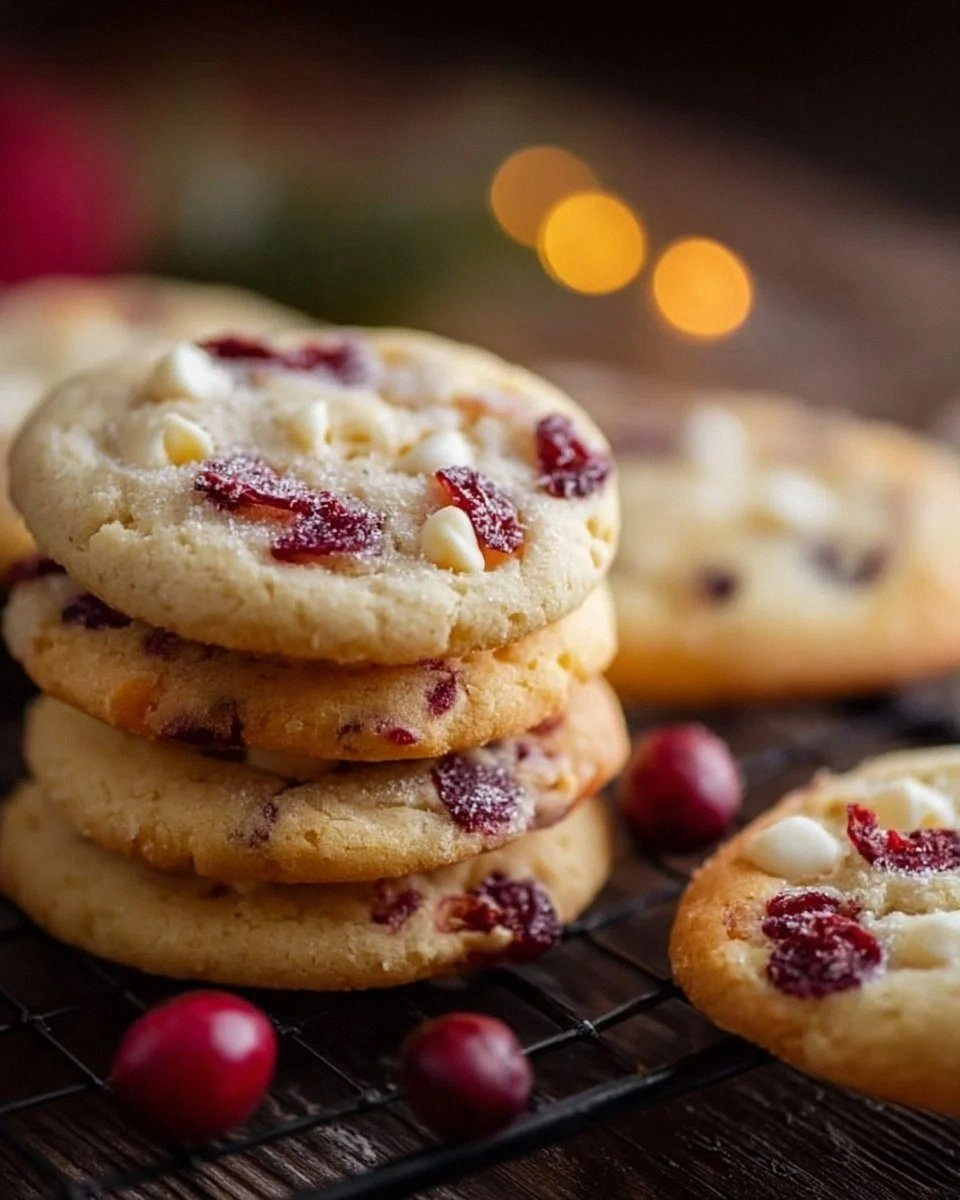
Picture this: a cold December afternoon, the wind howling outside like an impatient crowd, and me, desperately trying to rescue a batch of bland sugar cookies that turned out as flat as a pancake on a highway. I was halfway through scrolling through endless recipe forums, feeling the dread of another failed bake, when my roommate dared me to “make something that actually tastes like a holiday hug.” I laughed, rolled up my sleeves, and decided to combine two of my favorite winter flavors—tart cranberries and bright orange—in a single, buttery cookie that would make even the grumpiest Scrooge smile. The result? A cookie that glows with a citrusy zing and a sweet‑tart burst, all wrapped in a silky cream frosting that melts on your tongue like snowflakes on a warm palm.
The moment I pulled the first tray out of the oven, the kitchen was filled with an aroma that could have coaxed the most stubborn snowmen out of their igloos. Imagine the scent of fresh orange zest dancing with the deep, caramel notes of browned butter, while the dried cranberries add a whisper of tartness that cuts through the sweetness like a crisp winter breeze. The cookies themselves have a golden‑brown edge that crumbles delicately, yet the center stays soft and chewy—think of a cloud that refuses to drift away. As I spread the velvety orange‑infused cream on top, the frosting swirled like a sunrise over a frosted landscape, promising a bite that’s both comforting and exhilarating.
What makes this version the ultimate winter cookie isn’t just the flavor marriage; it’s the meticulous technique that ensures every bite is a perfect balance of texture and taste. Most recipes get the frosting wrong—either too runny or too stiff—leaving you with a cookie that looks good but feels like chewing on a rubber band. Here, I’ve cracked the code by using a double‑butter method and a precise ratio of powdered sugar to orange juice, creating a frosting that holds its shape yet spreads like a dream. And the dough? It’s enriched with a touch of baking powder and soda, giving it a subtle lift that makes the cookies airy without sacrificing that buttery crunch we all crave.
Okay, ready for the game‑changer? I’m about to walk you through every single step—mixing, chilling, baking, frosting, and the final flourish—so that by the end, you’ll wonder how you ever made cookies any other way. I dare you to taste this and not go back for seconds. Let’s dive in, because this next part? Pure magic.
What Makes This Version Stand Out
- Taste: The bright orange zest cuts through the deep sweetness, while the cranberries add a pop of tart that keeps the palate excited.
- Texture: A crisp edge gives way to a chewy center, and the cream frosting adds a silky smooth finish that melts instantly.
- Simplicity: Only thirteen ingredients, all pantry‑friendly, yet the result feels like a bakery‑level masterpiece.
- Uniqueness: The double‑butter approach creates a richer dough that most recipes overlook, delivering a buttery depth you’ll remember.
- Crowd Reaction: Guests invariably ask for the recipe first, then beg for a second batch before the frosting even sets.
- Ingredient Quality: Fresh orange zest and high‑quality dried cranberries make the flavor pop without any artificial aftertaste.
- Cooking Method: A short chill before baking prevents spreading, ensuring uniform size and that coveted “snow‑capped” look.
- Make‑Ahead Potential: The cookies store beautifully, and the frosting can be whipped up a day ahead for a stress‑free assembly.
Alright, let's break down exactly what goes into this masterpiece...
Inside the Ingredient List
The Flavor Base
The orange zest is the star of the show here. Zest contains the essential oils that deliver that bright, citrus punch; without it, the cookies would taste flat, like a winter day without sunshine. If you don’t have fresh oranges, a high‑quality orange extract works, but use only a quarter of the amount—extracts are concentrated and can easily overpower the delicate balance. When selecting oranges, go for ones that are firm and heavy for their size; they’ll yield more zest and a sweeter juice.
The Texture Crew
All‑purpose flour provides the structural backbone, while the combination of baking powder and baking soda creates a gentle lift, giving the cookie a tender crumb. Skipping the baking soda would make the cookies dense, and omitting the powder would result in a flat, hard‑to‑chew texture. For a gluten‑free twist, you can swap the flour for a 1:1 gluten‑free blend, but be sure to add a tablespoon of xanthan gum to retain that chewy interior.
The Unexpected Star
Dried cranberries bring a burst of tartness that cuts through the rich butter and sugars, preventing the cookie from becoming cloyingly sweet. If you’re allergic to cranberries or simply don’t have them on hand, chopped dried apricots or a handful of toasted pistachios provide a similar textural contrast. The 0.5 cup of butter used exclusively for the frosting is crucial; it creates a creamy base that can hold the powdered sugar without turning grainy.
The Final Flourish
The powdered sugar in the frosting isn’t just for sweetness; its fine texture ensures a silky, melt‑in‑your‑mouth finish. Fresh orange juice adds moisture and a tang that balances the sugar, while also helping the frosting set without becoming too stiff. If the frosting feels too thick, a splash more orange juice will loosen it; if it’s too runny, a couple of extra tablespoons of powdered sugar will bring it back to the perfect spreadable consistency.
Everything's prepped? Good. Let's get into the real action...
The Method — Step by Step
First, whisk together the flour, baking powder, baking soda, and salt in a large bowl. This dry mix ensures even distribution of leavening agents, preventing any bitter pockets. Set the bowl aside and let the mixture rest while you prep the butter—this brief pause lets the flour hydrate, which is key for a tender crumb. Pro tip: Sift the dry ingredients for an extra airy texture.
In a separate stand‑mixing bowl, cream 1 cup of softened unsalted butter with the granulated and brown sugars until the mixture is light and fluffy—think cloud‑like, not gritty. This should take about 3‑4 minutes on medium speed; the color will shift to a pale, buttery hue, and the volume will increase noticeably. Add the eggs one at a time, beating well after each addition, and then stir in the orange zest. The zest will release its aromatic oils, creating a fragrant base that smells like a winter sunrise.
Kitchen Hack: Chill the butter for 10 minutes after creaming; this prevents the dough from becoming overly soft when the flour is added.Gradually add the dry ingredient mixture to the butter‑sugar‑egg blend, mixing on low speed until just combined. Over‑mixing at this stage can develop gluten, leading to tough cookies, so stop as soon as you no longer see streaks of flour. Fold in the dried cranberries, distributing them evenly so every bite gets that perfect tart surprise.
Cover the dough with plastic wrap and refrigerate for at least 30 minutes. This chilling step is crucial—it firms up the butter, which controls spread during baking and results in a higher, more uniform cookie. If you’re in a hurry, a 15‑minute chill will still work, but the texture won’t be as refined.
While the dough chills, prepare the frosting. In a clean bowl, beat the 0.5 cup of softened butter until smooth, then gradually add the powdered sugar, a cup at a time, beating on low to avoid a sugar cloud explosion. Once incorporated, drizzle in the fresh orange juice, beating on medium until the frosting is light, fluffy, and holds a soft peak. The frosting should be spreadable but not runny—if it’s too soft, add a spoonful more powdered sugar.
Preheat your oven to 350°F (175°C) and line two baking sheets with parchment paper. Using a cookie scoop (about 1.5 tablespoons), drop rounded balls onto the sheet, spacing them 2 inches apart. The dough should hold its shape; if it’s spreading too fast, pop the sheet back in the fridge for a few minutes before baking.
Watch Out: Opening the oven door too early can cause the cookies to collapse; resist the urge to peek until the timer hits the 10‑minute mark.Bake for 12‑14 minutes, or until the edges turn a light golden brown and the tops look set but still slightly soft. The cookies will continue to firm up as they cool, so pull them out a touch early if you prefer a chewier center. As soon as they’re out of the oven, let them sit on the sheet for 2 minutes—this allows the steam to finish cooking the interior without over‑drying.
Transfer the cookies to a wire rack to cool completely. This step is non‑negotiable; frosting a warm cookie will melt the butter in the frosting, resulting in a greasy finish. Once cooled, spread a generous dollop of the orange‑cream frosting on the flat side of each cookie, then sandwich with another cookie, creating a perfect “winter glow” sandwich. The frosting should ooze slightly, hugging the cookie edges like a cozy blanket.
Kitchen Hack: Use a piping bag fitted with a large star tip for the frosting; it adds a decorative touch and ensures an even layer every time.
That's it — you did it. But hold on, I've got a few more tricks that'll take this to another level. Stay with me here — this is worth it.
Insider Tricks for Flawless Results
The Temperature Rule Nobody Follows
Never bake cookies straight from a warm kitchen. Let the dough rest in a cool part of the house, or even in the fridge for an extra 15 minutes before baking. This small temperature dip prevents over‑spreading and gives you that coveted thick‑and‑chewy center. A friend once tried skipping the chill and ended up with flat, hard‑to‑bite discs—let’s just say it didn’t win any compliments.
Why Your Nose Knows Best
Rely on scent, not just the timer. When the edges start to turn a light amber and you catch a faint buttery perfume, the cookies are ready to leave the oven. If you wait too long, they’ll become crunchy and lose that soft interior we all love. Trust your nose; it’s the oldest kitchen tool you have.
The 5‑Minute Rest That Changes Everything
After frosting, let the assembled cookies sit for five minutes at room temperature. This brief rest allows the frosting to set just enough to hold its shape while still being soft enough to melt in your mouth. Skipping this step often results in frosting that slides off the cookie when you pick it up—hardly the elegant finish we’re aiming for.
Butter Temperature is Everything
Softened butter should be pliable but not greasy. If it’s too warm, it will cause the dough to spread excessively; too cold and it won’t cream properly, leaving a grainy texture. The sweet spot is when you can press a finger into the butter and leave a shallow impression that slowly springs back.
Frosting Consistency Check
Before spreading, lift a spoonful of frosting and let it sit for a few seconds. If it holds its shape without dripping, you’ve nailed the perfect consistency. If it runs, add a touch more powdered sugar; if it’s too stiff, a splash more orange juice will bring it back to life.
Creative Twists and Variations
This recipe is a playground. Here are some of my favorite ways to switch things up:
White Chocolate Drizzle
After frosting, melt white chocolate and drizzle it over the top of each cookie. The sweet, creamy ribbon adds a luxurious finish that pairs beautifully with the citrus and cranberry notes.
Spiced Up
Introduce a pinch of ground cinnamon and a dash of ground ginger to the dough. The warm spices deepen the winter vibe, turning the cookies into a cozy, aromatic treat.
Nutty Crunch
Fold in ¼ cup of finely chopped toasted almonds or pistachios. The nutty crunch contrasts the soft interior and adds a buttery richness that elevates the overall texture.
Vegan Version
Swap the butter for a plant‑based margarine, use coconut sugar instead of brown sugar, and replace the eggs with flax “egg” (1 tbsp ground flax + 3 tbsp water). The flavor profile stays intact while catering to vegans.
Mini Bite‑Size
Use a smaller cookie scoop (about ½ tablespoon) and make mini sandwich cookies. Perfect for party platters or a bite‑size snack that won’t overwhelm your palate.
Glazed Finish
After assembling, brush the tops with a thin orange glaze made from powdered sugar, orange zest, and a splash of orange juice. The glaze adds a glossy, festive look that’s Instagram‑ready.
Storing and Bringing It Back to Life
Fridge Storage
Place the assembled cookies in an airtight container, layering parchment between each layer to prevent sticking. They’ll stay fresh for up to five days, and the frosting will stay firm yet creamy. If the cookies feel a bit dry after a couple of days, let them sit at room temperature for 10 minutes before serving.
Freezer Friendly
Both the unbaked dough and the finished cookies freeze beautifully. Wrap dough balls tightly in plastic wrap, then place them in a zip‑top bag; they’ll keep for three months. For baked cookies, freeze in a single layer on a tray, then transfer to a container. Thaw at room temperature and enjoy—no reheating needed.
Best Reheating Method
When you’re ready to serve, pop the cookies in a preheated 300°F (150°C) oven for 5‑7 minutes. Add a tiny splash (about a teaspoon) of water to the baking sheet before heating; the steam revives the frosting’s silkiness and gives the cookies a fresh‑out‑of‑the‑oven aroma.