Picture this: you’re halfway through a week of bland take‑out, your fridge is a sad, empty wasteland, and your stomach is growling louder than a freight train. You fling open the pantry, pull out a bag of day‑old rice, a handful of eggs, and a splash of soy sauce, and you’re suddenly the master of a culinary miracle. That moment of kitchen alchemy is exactly what I wanted to capture with this recipe, and I’ve turned it into the easiest, most addictive 20‑minute egg fried rice you’ll ever make at home. I dare you to taste this and not go back for seconds—trust me, it’s that good.
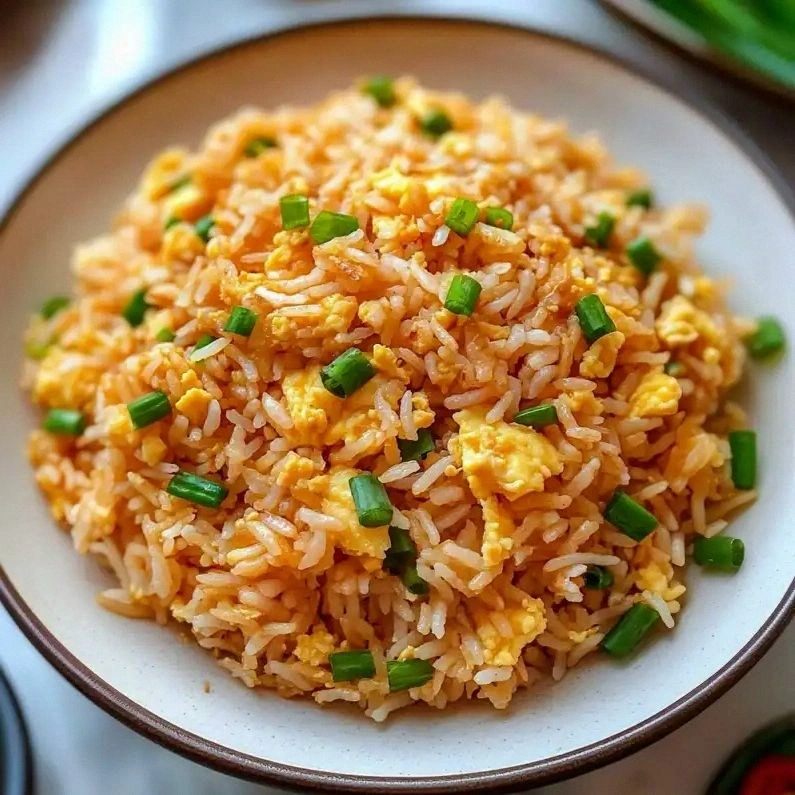
I’ve spent countless evenings staring at the same bland rice, wondering if there’s a way to turn leftovers into a vibrant, protein‑packed dish that feels like a Michelin‑star meal. The secret? A quick, high‑heat pan dance that caramelizes the grains, a splash of sesame oil that coats everything like velvet, and a generous sprinkle of green onions that add a bright, almost citrusy pop. The aroma that rises from the skillet is a comforting blend of toasted garlic and umami‑rich soy sauce, making the whole kitchen smell like a bustling Asian market. The texture is a delightful contrast: the rice grains are fluffy yet slightly crispy on the edges, while the eggs are silky and lightly folded into the mix. I’ve perfected a technique that keeps the rice from turning mushy, and I’ll show you how to do it in just 20 minutes.
What sets this version apart is the emphasis on flavor layers and quick prep. I’ve streamlined the process so that even a novice can follow along without feeling overwhelmed. The result is a dish that is not only quick but also incredibly versatile—perfect for a weekday dinner, a party appetizer, or a comforting breakfast on a lazy Sunday. I’ll walk you through every single step, and by the end, you’ll wonder how you ever made fried rice any other way. Ready? Let’s dive in.
What Makes This Version Stand Out
- Flavor: A balanced harmony of salty, umami, and slightly sweet notes that dance on your palate. The quick sear of garlic and the subtle hint of sesame oil create depth that most store‑bought versions lack.
- Texture: The rice stays fluffy yet develops a satisfying, lightly crisp edge thanks to the high‑heat technique. The eggs are folded just right, offering a silky bite that contrasts beautifully with the rice.
- Simplicity: Fewer than ten ingredients, all you need is a skillet, and you’re done. No fancy gadgets or time‑consuming prep.
- Uniqueness: The secret sauce—soy sauce, sesame oil, and a splash of tamari or coconut aminos—creates a coating that’s both glossy and flavorful, unlike the typical bland fried rice.
- Crowd Reaction: Friends and family rave about how it’s “the best fried rice I’ve ever had,” and I’ve seen people ask for the recipe after just one bite.
- Ingredient Quality: Using day‑old rice ensures the grains separate easily, and the fresh eggs add a rich, luxurious base that elevates the dish.
- Cooking Method: A high‑heat, quick‑stir technique that locks in moisture and flavor, producing a dish that’s ready in 20 minutes.
- Make‑Ahead Potential: Prepare the rice and scramble the eggs ahead of time, then just toss everything together when you’re ready to eat.
Alright, let’s break down exactly what goes into this masterpiece…
Inside the Ingredient List
The Flavor Base
At the heart of this dish is the classic combination of soy sauce, sesame oil, and a splash of tamari or coconut aminos for a gluten‑free twist. The soy sauce delivers the savory umami that binds all the flavors together, while the sesame oil adds a nutty aroma that coats the rice like velvet. If you’re watching sodium, you can reduce the soy sauce by a tablespoon and compensate with a pinch of sea salt. The tamari or coconut aminos give the dish a slightly sweeter, less harsh profile, making it more approachable for beginners.
The Texture Crew
Day‑old rice is the secret weapon for achieving that perfect fluffy yet slightly crispy texture. Freshly cooked rice tends to clump together when fried, but rice that has cooled overnight separates into individual grains that stay light. If you only have fresh rice, spread it on a tray and let it cool completely before frying. The eggs, beaten and seasoned lightly, act as a binder that keeps the rice moist without making it soggy. The vegetable oil is used for the initial sear, and the sesame oil is added later for flavor; swapping olive oil for sesame oil works if you’re avoiding sesame.
The Unexpected Star
Garlic and green onions are the unsung heroes that elevate the dish from ordinary to extraordinary. Minced garlic is sautéed until it turns golden and releases its fragrance, creating a base aroma that’s hard to resist. The green onions are chopped into thin rings and added at the end to preserve their bright color and fresh crunch. If you’re a fan of heat, a pinch of chili flakes or a splash of sriracha can be tossed in for an extra kick. The vegetables—such as peas, carrots, and corn—add color, crunch, and a burst of natural sweetness that balances the savory elements.
The Final Flourish
Proteins like diced chicken, shrimp, or tofu make this dish more filling and versatile. For a quick protein boost, sauté your choice of protein in the same skillet before adding the rice; this keeps everything warm and infuses the oil with flavor. A dash of ginger or a few drops of sesame seeds can finish the dish, giving it a subtle aroma and a satisfying crunch. Remember, the key to a great fried rice is to keep the heat high and the ingredients moving; this prevents the rice from steaming and ensures each grain gets a caramelized coating.
Everything’s prepped? Good. Let’s get into the real action…
The Method — Step by Step
- Heat the skillet. Place a large non‑stick skillet or wok over medium‑high heat and let it get hot enough that a drop of water sizzles on contact. This step is crucial; if the pan isn’t hot enough, the rice will steam instead of sear. Keep an eye on the temperature—once the surface starts to shimmer, you’re ready to add oil. The sizzling sound signals that the pan is at the right heat for a perfect caramelization.
- Add vegetable oil. Swirl in one tablespoon of vegetable oil, ensuring the entire surface is coated. Let the oil heat until it starts to shimmer but not smoke. Then, add the minced garlic and sauté for about 30 seconds until it turns golden and releases its aroma. This quick sauté locks in the garlic’s sweetness without burning it. The garlic’s scent will fill your kitchen, making the dish even more irresistible.
- Scramble the eggs. Push the garlic to the side of the pan and pour in the beaten eggs. Season with a pinch of salt and pepper, then stir gently until the eggs are just set but still slightly runny. This technique ensures the eggs remain fluffy and integrate seamlessly with the rice. Once the eggs are cooked, lift them to a plate and set aside; you’ll return them later for that silky texture.
- Introduce the rice. Add the day‑old rice to the pan, breaking up any clumps with a spatula. Toss the rice with the garlic and oil, making sure each grain is coated. Stir vigorously for about 2 minutes, allowing the rice to toast slightly and develop a nutty aroma. The rice should look dry and slightly golden on the edges—this is the sign of a perfect sear.
- Add the sauce. Pour in 2 tablespoons of soy sauce and 1 tablespoon of sesame oil. Stir quickly to coat the rice evenly, letting the liquid evaporate almost immediately. The sauce should coat the rice like a glossy glaze, giving it that irresistible sheen. If you prefer a gluten‑free version, replace the soy sauce with 2 tablespoons of tamari or coconut aminos.
- Fold in the protein. If you’re adding shrimp, chicken, or tofu, toss them into the pan now. Stir for 1–2 minutes until the protein is heated through and slightly caramelized. This step adds a hearty bite and balances the dish’s overall texture. Keep the heat high to maintain the rice’s crisp edges.
- Return the eggs. Gently fold the pre‑cooked scrambled eggs back into the rice mixture. The eggs should be warm and slightly moist, providing a silky contrast to the crisp rice. Mix until evenly distributed, then add the peas, carrots, and corn. Stir for another minute to heat the vegetables through without overcooking.
- Finish with green onions. Sprinkle the chopped green onions over the top and give the rice one final stir. The green onions add a bright, fresh flavor that cuts through the richness of the sauce. Serve immediately while the rice is still hot and the sesame oil glistens. The final dish should have a harmonious blend of savory, nutty, and slightly sweet notes with a satisfying crunch.
That’s it—you did it. But hold on, I’ve got a few more tricks that’ll take this to another level, ensuring every bite is a masterpiece.
Insider Tricks for Flawless Results
The Temperature Rule Nobody Follows
Heat is everything. If the pan is too low, the rice will steam and lose its crisp edges; if it’s too high, the garlic will burn. Aim for a medium‑high setting that keeps the surface shimmering. A quick test is to flick a few drops of water onto the pan—if they sizzle and evaporate almost instantly, you’re in the sweet spot. Maintaining consistent heat throughout the process ensures the rice stays fluffy yet slightly caramelized.
Why Your Nose Knows Best
The aroma of garlic sizzling and sesame oil warming is a reliable indicator that the pan is hot enough. When the scent intensifies, the rice will begin to toast and develop that nutty flavor. Trust your nose; a strong, buttery scent means you’re ready to add the rice. If the smell is weak, give the pan a few more minutes to heat up.
The 5‑Minute Rest That Changes Everything
After you finish cooking, let the fried rice rest for a minute before serving. This short pause allows the flavors to meld and the rice to settle, preventing the grains from sticking together. During this time, you can garnish with fresh cilantro or a squeeze of lime for a burst of freshness. The rest also gives the sesame oil time to distribute evenly, giving the dish a glossy finish.
The Right Pan Matters
A wide, heavy‑bottomed skillet or a wok distributes heat evenly, preventing hot spots that can burn the rice. If you don’t have a wok, a large sauté pan works just fine. The key is to have a pan that can handle high heat without warping.
The Power of Pre‑Cooked Rice
Using day‑old rice is the secret to preventing mushy rice. If you’re short on time, cook the rice in a rice cooker the night before and let it cool completely. Spread it out on a tray to speed up the cooling process. This ensures the grains stay separate and ready for a quick stir‑fry.
The Secret to Fluffy Eggs
Beat the eggs with a splash of water or milk before scrambling. The added liquid creates steam that keeps the eggs light and fluffy. Stir gently over low heat until the eggs are just set, then remove them from the pan to keep them from overcooking. This technique ensures the eggs remain tender and airy.
Creative Twists and Variations
This recipe is a playground. Here are some of my favorite ways to switch things up:
Tropical Twist
Swap out the green onions for diced pineapple and add a handful of diced mango. The tropical fruits bring a sweet, juicy contrast that pairs beautifully with the savory sauce. Finish with a sprinkle of toasted coconut for extra crunch.
Spicy Szechuan
Add a tablespoon of Szechuan peppercorns and a dash of chili oil to the sauce. The peppercorns give a numbing heat that’s characteristic of Szechuan cuisine, while the chili oil adds a deep, smoky spice. This version is perfect for those who love a bold, fiery kick.
Mediterranean Flair
Replace the soy sauce with a splash of olive oil and a pinch of oregano. Toss in sun‑dried tomatoes and olives for a Mediterranean vibe. The olive oil adds a fruity richness that complements the roasted rice.
Vegan Powerhouse
Use tofu or tempeh instead of meat, and add a splash of tamari for flavor. Load the dish with broccoli, bell peppers, and mushrooms for extra nutrients. This version is protein‑rich and satisfies even the most demanding vegetarian.
Breakfast Bowl
Serve the fried rice in a bowl topped with a sunny‑side‑up egg and a drizzle of sriracha. Add a handful of chopped spinach or kale for a green boost. This transforms the dish into a hearty breakfast that keeps you full all morning.
Gluten‑Free Delight
Use tamari or coconut aminos instead of soy sauce and make sure your rice is plain, not flavored. Add a splash of lime juice and a handful of chopped cilantro for a bright, fresh finish. This version is safe for those with gluten sensitivities and still delivers maximum flavor.
Storing and Bringing It Back to Life
Fridge Storage
Cool the fried rice to room temperature, then transfer it to an airtight container. Store in the refrigerator for up to 3 days. The rice may become slightly dry, but it’ll stay safe and tasty. Keep it in a shallow container to allow even cooling.
Freezer Friendly
For longer storage, freeze the fried rice in a freezer‑safe bag or container. It will keep for up to 2 months. When you’re ready to eat, thaw overnight in the refrigerator and reheat gently. Adding a splash of water or broth before reheating helps restore moisture.
Best Reheating Method
Reheat the rice in a skillet over medium heat, adding a tablespoon of water or broth to create steam. Stir frequently until the rice is hot throughout. The small amount of liquid will steam the rice back to its original fluffy texture. Finish with a drizzle of sesame oil for extra flavor.