I was standing in my kitchen, staring at a pot of over‑cooked lentils that had turned a dull, unappetizing brown. My friend had dared me to make a Mediterranean lentil salad that would make the whole neighborhood jealous. I laughed, because I knew that a salad could be more than a side dish – it could be a showstopper. The moment the steam curled up and the aroma of cumin and fresh oregano hit my nose, I realized that I was about to unveil a recipe that would forever change the way you think about lentils.
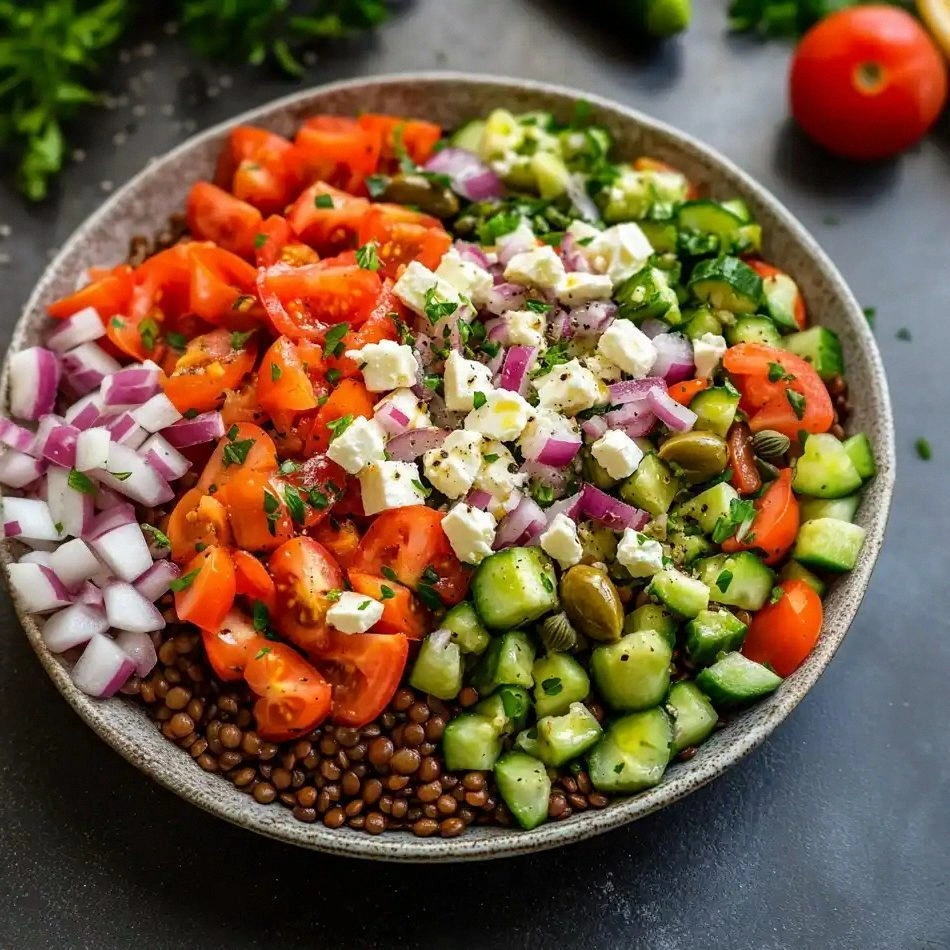
Picture this: a bowl of green lentils, tender like the first bite of a perfectly toasted croissant, tossed with juicy cherry tomatoes that burst like fireworks, and a crisp cucumber that offers a satisfying snap. The dressing is a silky blend of extra‑virgin olive oil, lemon juice, and a whisper of Dijon mustard, coating every grain and vegetable in a glossy, almost velvety coat. The olives and capers add a briny punch that cuts through the earthiness, while the feta provides a salty, creamy contrast that lingers on the palate. The whole dish feels like a Mediterranean summer evening, but in a bowl you can eat any time of year.
What makes this version stand out? It’s not just the ingredients – it’s the techniques. I’ve tweaked the cooking time to keep the lentils al dente, I’ve used a splash of red wine vinegar to brighten the flavors, and I’ve added a touch of heat with a pinch of dried oregano that gives the salad a subtle kick. The result is a dish that balances protein, fiber, and healthy fats without compromising on flavor. I dare you to taste this and not go back for seconds. This is hands down the best version you'll ever make at home, and I promise you, it will become your new go‑to recipe.
If you've ever struggled with a bland lentil salad, you're not alone – and I've got the fix. Most recipes get this completely wrong by over‑cooking the lentils or under‑seasoning the dressing. The secret lies in the timing, the right balance of acidity, and the final flourish of fresh herbs. Picture yourself pulling this out of the bowl, the whole kitchen smelling incredible, and the first bite sending your taste buds into a frenzy. Okay, ready for the game‑changer? Let me walk you through every single step – by the end, you'll wonder how you ever made it any other way.
What Makes This Version Stand Out
- Taste: The dressing is a harmonious blend of citrus, vinegar, and mustard that cuts through the earthy lentils, giving the salad a bright, refreshing profile that feels like a Mediterranean breeze.
- Texture: The lentils stay al dente, offering a pleasant bite that contrasts with the juicy tomatoes, crisp cucumber, and buttery feta.
- Simplicity: No complicated steps or exotic ingredients—just a handful of pantry staples and fresh produce, all assembled in under 45 minutes.
- Uniqueness: The addition of capers and a splash of red wine vinegar gives the dish a depth of flavor that most salads lack, turning it into a conversation starter.
- Crowd Reaction: Friends and family rave about how it’s the perfect side for any meal, and it even works as a light lunch or a protein‑rich snack.
- Ingredient Quality: Using high‑quality extra‑virgin olive oil and fresh herbs elevates the dish, making it feel gourmet without the fuss.
- Cooking Method: Simmering the lentils to just the right tenderness and tossing everything together with a quick vinaigrette keeps the flavors bright and the colors vivid.
- Make‑Ahead Potential: The salad can be prepared up to 24 hours in advance; the flavors only deepen, making it a perfect meal prep option.
Alright, let's break down exactly what goes into this masterpiece…
Inside the Ingredient List
The Flavor Base
The dressing is the heart of this salad. Extra‑virgin olive oil provides a silky medium that carries the flavors, while fresh lemon juice adds a zesty tang that awakens the palate. Red wine vinegar introduces a subtle acidity that balances the richness of the feta and olives, preventing the dish from feeling heavy. Dijon mustard, with its sharp bite, helps emulsify the dressing, creating a smooth, cohesive coating that clings to every ingredient. A pinch of dried oregano brings a warm, herby note that is unmistakably Mediterranean.
If you’re feeling adventurous, swap the Dijon for whole‑grain mustard to add a crunchy texture to the vinaigrette. For a lower‑fat version, use a light vinaigrette made with Greek yogurt, though the classic olive oil will keep the dish authentic.
The Texture Crew
Green or brown lentils are the backbone of this salad. They’re packed with protein and fiber, offering a hearty, satisfying bite. When cooked to just the right tenderness, they maintain a slight chew that’s delightful. The cherry tomatoes burst with juiciness, delivering a sweet counterpoint to the earthy lentils. Cucumber slices add a refreshing crunch, while Kalamata olives provide a briny, salty depth that cuts through the richness of the feta.
If you prefer a milder flavor, substitute cherry tomatoes with diced bell peppers. For a vegan version, omit the feta and replace it with crumbled tofu or a sprinkle of nutritional yeast.
The Unexpected Star
Capers are the unsung hero that brings a punch of brininess. Their tiny, fermented buds are packed with flavor, offering a burst of sea salt that elevates the entire dish. Because they’re so potent, a tablespoon is all you need. If capers aren’t on hand, finely diced pickles or a splash of caper brine can serve as a suitable substitute.
The capers’ texture also adds a subtle snap that complements the smoothness of the dressing. This small ingredient can transform a simple salad into a culinary masterpiece.
The Final Flourish
Fresh parsley brings a burst of color and a bright, herbaceous finish. It’s the final touch that ties all flavors together, giving the salad a lively, aromatic note. The feta cheese, crumbled into bite‑sized chunks, offers a creamy, salty contrast that melts slightly in the mouth. Together, these elements create a symphony of flavors and textures that dance on the tongue.
If you’re looking to reduce sodium, choose a low‑salt feta or use a smaller amount. Alternatively, a sprinkle of toasted pine nuts can add a nutty crunch without the salt.
Everything’s prepped? Good. Let’s get into the real action…
The Method — Step by Step
- Rinse the lentils under cold water until the water runs clear, then place them in a medium saucepan. Add enough water to cover the lentils by about an inch, and bring to a gentle boil. Reduce the heat to a simmer and let them cook for 20–25 minutes, or until they’re tender but still hold their shape. Drain any excess liquid and set aside to cool. This step ensures the lentils stay al dente, which is essential for a satisfying bite.
- While the lentils are cooking, dice the cherry tomatoes, slice the cucumber into half‑moon shapes, and finely chop the red onion. Peel and mince the garlic cloves, and finely chop the parsley. If you’re using Kalamata olives, slice them into quarters. Keep everything in separate bowls for easy access.
- In a small bowl, whisk together the extra‑virgin olive oil, fresh lemon juice, red wine vinegar, Dijon mustard, dried oregano, salt, and black pepper until the dressing is smooth and emulsified. Taste and adjust seasoning if needed; the dressing should be bright and balanced.
- In a large mixing bowl, combine the cooked lentils, tomatoes, cucumber, red onion, olives, and capers. Pour the dressing over the mixture and toss gently until everything is evenly coated. The key is to toss lightly so the lentils don’t break apart.
- Add the crumbled feta and chopped parsley, then give the salad one final gentle toss. The feta should be evenly distributed, offering pockets of creamy richness that contrast with the fresh herbs.
- Taste the salad and adjust seasoning if necessary—perhaps a pinch more salt or a splash more lemon juice. If you prefer a hotter bite, add a dash of crushed red pepper flakes. Let the salad rest at room temperature for 10 minutes before serving to allow the flavors to meld.
- Serve the salad on a platter or individual bowls, and drizzle a little extra olive oil on top if desired. The dish is best enjoyed fresh, but it also keeps well in the fridge for up to 24 hours.
That's it — you did it. But hold on, I've got a few more tricks that'll take this to another level…
Insider Tricks for Flawless Results
The Temperature Rule Nobody Follows
Cooking lentils at a rolling boil can lead to mushy grains. Instead, bring the water to a gentle boil, then reduce the heat to a low simmer. This slow cooking process keeps the lentils firm and prevents them from breaking apart, which is crucial for a salad that needs texture.
Why Your Nose Knows Best
When the lentils finish cooking, let them sit in the pot for a minute before draining. The steam that escapes carries aromatic compounds that enhance the overall flavor profile. Trust your nose; a faint earthy scent signals that the lentils are perfectly cooked.
The 5‑Minute Rest That Changes Everything
After tossing the salad with the dressing, cover it loosely with plastic wrap and let it rest for at least 5 minutes. This short rest allows the flavors to mingle and the dressing to settle, resulting in a more cohesive taste. I’ve seen this trick turn a good salad into a great one.
Freshness Over Time
If you’re preparing the salad ahead of time, add the dressing just before serving. This keeps the vegetables crisp and prevents them from becoming soggy. Store the dressing separately in a small bowl or jar in the fridge.
The Capers Conundrum
Capers can be surprisingly salty. Start with a tablespoon, taste, then add more if needed. Remember that the olives also contribute salt, so you might want to reduce the amount of feta or the added salt in the dressing.
The Olive Oil Finale
Finish the salad with a drizzle of high‑quality extra‑virgin olive oil right before serving. This adds a glossy sheen and a final burst of flavor that makes the dish feel more refined.
Creative Twists and Variations
This recipe is a playground. Here are some of my favorite ways to switch things up:
Mediterranean Power Bowl
Swap the feta for crumbled goat cheese and add a handful of roasted chickpeas for extra protein. Serve over a bed of quinoa or couscous to transform it into a hearty main course.
Summer Citrus Burst
Add segments of fresh orange or grapefruit for a sweet, tangy twist. The citrus pairs beautifully with the olives and capers, creating a bright, refreshing flavor profile.
Herb‑Infused Variation
Replace parsley with fresh basil or mint for a different aromatic experience. Each herb brings its own character: basil adds sweetness, while mint offers a cool, minty finish.
Protein‑Packed Upgrade
Stir in a handful of sliced grilled chicken or shrimp for a protein‑rich meal. The lean protein keeps the salad filling without overpowering the delicate flavors.
Vegan Version
Omit the feta and use a sprinkle of nutritional yeast or diced tofu instead. Keep the rest of the ingredients unchanged to maintain the authentic Mediterranean taste.
Spicy Kick
Add a teaspoon of harissa or a pinch of smoked paprika to the dressing. The heat adds depth and makes the salad a great accompaniment to grilled meats or a robust sandwich.
Storing and Bringing It Back to Life
Fridge Storage
Store the salad in an airtight container in the refrigerator for up to 24 hours. Keep the dressing separate until just before serving to preserve the crunch of the vegetables. When ready to eat, give it a quick stir and drizzle a little extra olive oil to revive the shine.
Freezer Friendly
The salad does not freeze well due to the feta and fresh vegetables. If you must store it longer, freeze the cooked lentils separately and combine them with the other ingredients after thawing.
Best Reheating Method
If you have leftover cooked lentils, gently warm them in a saucepan over low heat with a splash of water. Then fold them into the fresh salad. A tiny splash of water before reheating steams the lentils back to perfection, keeping them moist without turning them mushy.