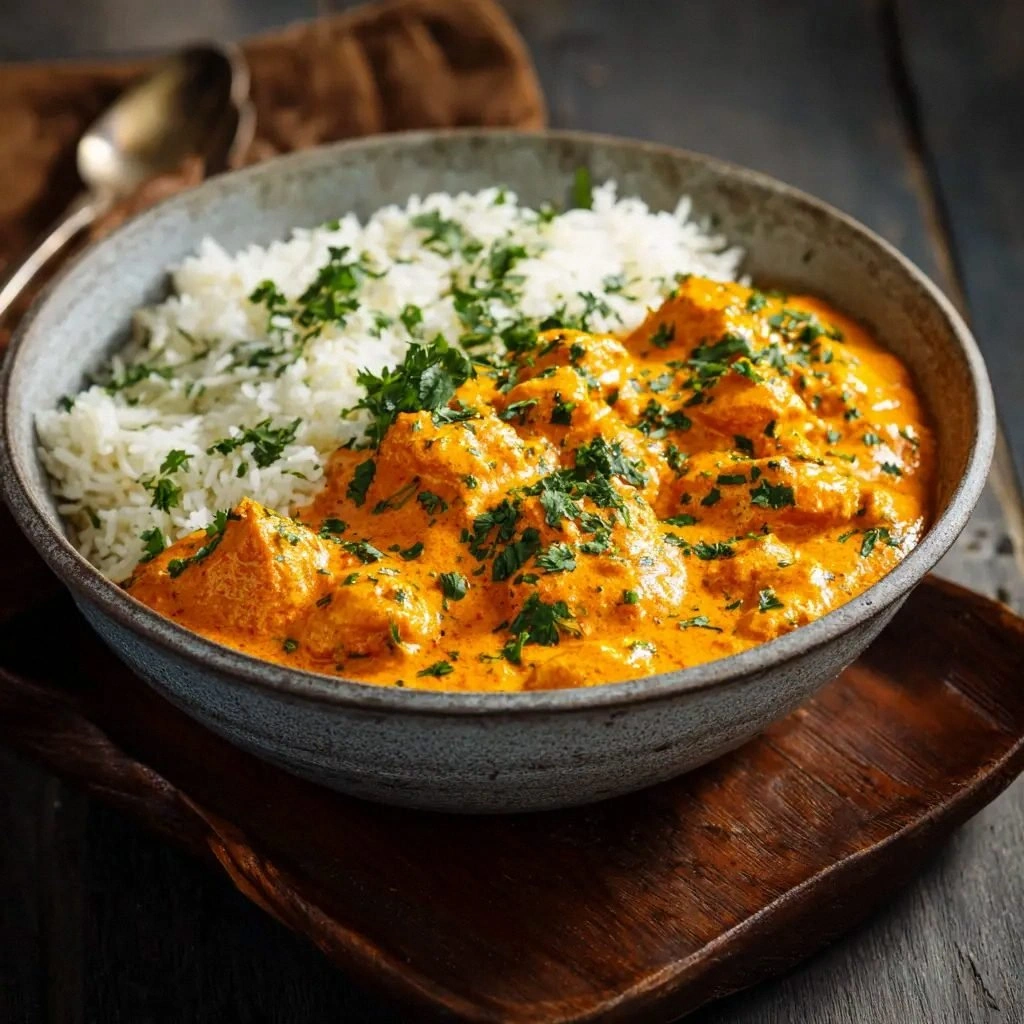
I remember the night my kitchen turned into a battlefield and I was left with a half‑cooked, bland chicken dish that tasted like cardboard. I stared at the pot, my stomach growling, and a friend dared me to whip up a butter chicken that would make the restaurant versions look like amateur hour. I took the dare, grabbed the ingredients, and the aroma that hit me was the first hint that something spectacular was about to happen. The air filled with the sweet scent of tomatoes, the sharp tang of lemon, and the earthy perfume of garam masala, all mingling into a promise of comfort and decadence. That night, I tasted a dish that would forever change my approach to Indian cooking.
Fast forward to today, and I’m still convinced that this recipe is the pinnacle of homemade butter chicken. It’s not just the creamy sauce or the succulent chicken; it’s the way every component plays off each other, creating layers of flavor that dance on the palate. Think of the sauce as velvet draped over each bite, the cashew cream giving it a silky finish, and the subtle kick of Kashmiri chili that lingers just enough to keep you coming back for seconds. The secret? A blend of ingredients that most recipes overlook, and a technique that locks in moisture while allowing the spices to bloom fully.
What makes this version stand out is that I’ve stripped away the fluff and focused on pure, authentic flavors. No over‑cooked onions, no watery sauce, no hidden sugars. Instead, I’ve chosen high‑quality ingredients that bring out the best in each other—like fresh cashews for body, a splash of lemon for brightness, and a generous hand of garam masala for depth. I dare you to taste this and not go back for seconds. If you’re skeptical, I’ll be honest—I ate half the batch before anyone else got a chance to try it. Let me walk you through every single step—by the end, you’ll wonder how you ever made it any other way.
What Makes This Version Stand Out
- Taste: The sauce is a harmonious blend of sweet, tangy, and savory notes, with a subtle heat that comes from Kashmiri chili rather than the harshness of typical Indian chilies. It’s a flavor profile that feels both comforting and adventurous.
- Texture: The chicken stays moist and tender thanks to a yogurt‑lemon marination that tenderizes the fibers while adding a slight tang. The cashew‑cream base gives the sauce a velvety mouthfeel that coats the plate like silk.
- Simplicity: Despite its restaurant‑quality finish, the recipe requires only a handful of ingredients and straightforward steps. You’ll be able to whip it up in under an hour, even on a busy weeknight.
- Uniqueness: The use of whole peeled tomatoes, fresh cashews, and a splash of lemon is a twist that sets this dish apart from the usual canned tomato paste or premade sauces.
- Crowd Reaction: Friends and family swear this is hands down the best version they’ve ever made at home. The sauce is rich enough to satisfy cravings, yet light enough to be served with rice or naan without feeling heavy.
- Ingredient Quality: By using full‑fat yogurt, fresh ginger, and high‑quality butter, the dish achieves a depth of flavor that supermarket versions simply can’t match.
- Cooking Method: The step‑by‑step approach ensures the spices bloom properly, the onions caramelize without burning, and the sauce thickens to the ideal consistency.
- Make‑Ahead Potential: This dish actually tastes better the next day, making it perfect for meal prep or entertaining.
Alright, let's break down exactly what goes into this masterpiece...
Inside the Ingredient List
The Flavor Base
The foundation of this butter chicken starts with a simple yet powerful combination of yogurt, lemon juice, ginger, and garlic. The yogurt not only tenderizes the chicken but also adds a subtle tang that balances the richness of the cream. Lemon juice brightens the entire dish, cutting through the heaviness of the butter and cream. Ginger and garlic provide a warm, aromatic base that elevates the sauce from ordinary to extraordinary.
The Texture Crew
Cashews and heavy cream form the silky core of the sauce. Raw cashews are blended into a fine paste, which thickens the sauce without adding any artificial binders. Heavy cream brings a luscious, velvety finish, ensuring each spoonful feels indulgent yet balanced. Butter adds depth and a buttery richness that lingers on the tongue, while neutral oil helps in sautéing the aromatics without imparting flavor.
The Unexpected Star
Whole peeled tomatoes might seem like a mundane ingredient, but when cooked down, they release a natural sweetness that balances the spices. The use of a single can of high‑quality tomatoes ensures a consistent flavor profile. Adding a pinch of ground coriander at the end brightens the dish with a citrusy, floral note that makes the sauce feel fresh.
The Final Flourish
Ground cumin, garam masala, turmeric, and Kashmiri red chili powder combine to create a complex spice profile. The turmeric provides earthiness and a warm color, while cumin adds a nutty undertone. Garam masala, used twice in this recipe, delivers a fragrant aroma that is quintessentially Indian. The dried fenugreek leaves (kasoori methi) are added at the end for a subtle bitterness that cuts through the richness.
Everything's prepped? Good. Let's get into the real action...
The Method — Step by Step
-
Begin by cutting the chicken thighs into bite‑size cubes. In a large bowl, combine the yogurt, lemon juice, half of the minced ginger, half of the minced garlic, turmeric, cumin, and a pinch of salt. Toss the chicken until it’s fully coated. Cover and refrigerate for at least 30 minutes, or up to 4 hours, to allow the flavors to meld and the meat to tenderize.
-
While the chicken marinates, heat the neutral oil in a heavy skillet over medium heat. Add the sliced onion and sauté until it turns translucent and starts to caramelize, about 8 minutes. Stir frequently to prevent burning. This caramelization step is crucial; it builds the sweet foundation that balances the sauce’s richness.
-
Add the remaining ginger and garlic to the onions, cooking for another 2 minutes until fragrant. The aroma at this point should be intoxicating, hinting at the layers to come. Now it’s time for the spices—turmeric, garam masala, ground coriander, and Kashmiri chili. Stir for 30 seconds, letting the spices bloom.
-
Pour in the whole peeled tomatoes, crushing them with your hands or a spoon as they hit the pan. The sauce should start to thicken and the tomatoes’ natural sugars will caramelize with the onions. Let it simmer for 10 minutes, allowing the flavors to meld into a cohesive base.
-
Add the marinated chicken to the sauce, stirring to coat each piece. Bring the mixture to a gentle boil, then reduce the heat to low and let it simmer for 15 minutes, or until the chicken is fully cooked and the sauce has thickened. Keep the lid slightly ajar to prevent excessive evaporation.
-
In a separate bowl, blend the raw cashews with a splash of water until smooth. This cashew paste will be added to the sauce for body and a nutty undertone. Once the chicken is cooked, stir in the cashew paste, heavy cream, and butter. The sauce should become silky and glossy, with the butter melting into a silky sheen.
-
Reduce the heat to low, let the sauce simmer for an additional 5 minutes, then sprinkle the dried fenugreek leaves. The fenugreek gives a slightly bitter, nutty aroma that balances the richness. Stir well, taste, and adjust salt as needed. The sauce should smell toasty, with a gentle warmth from the spices.
-
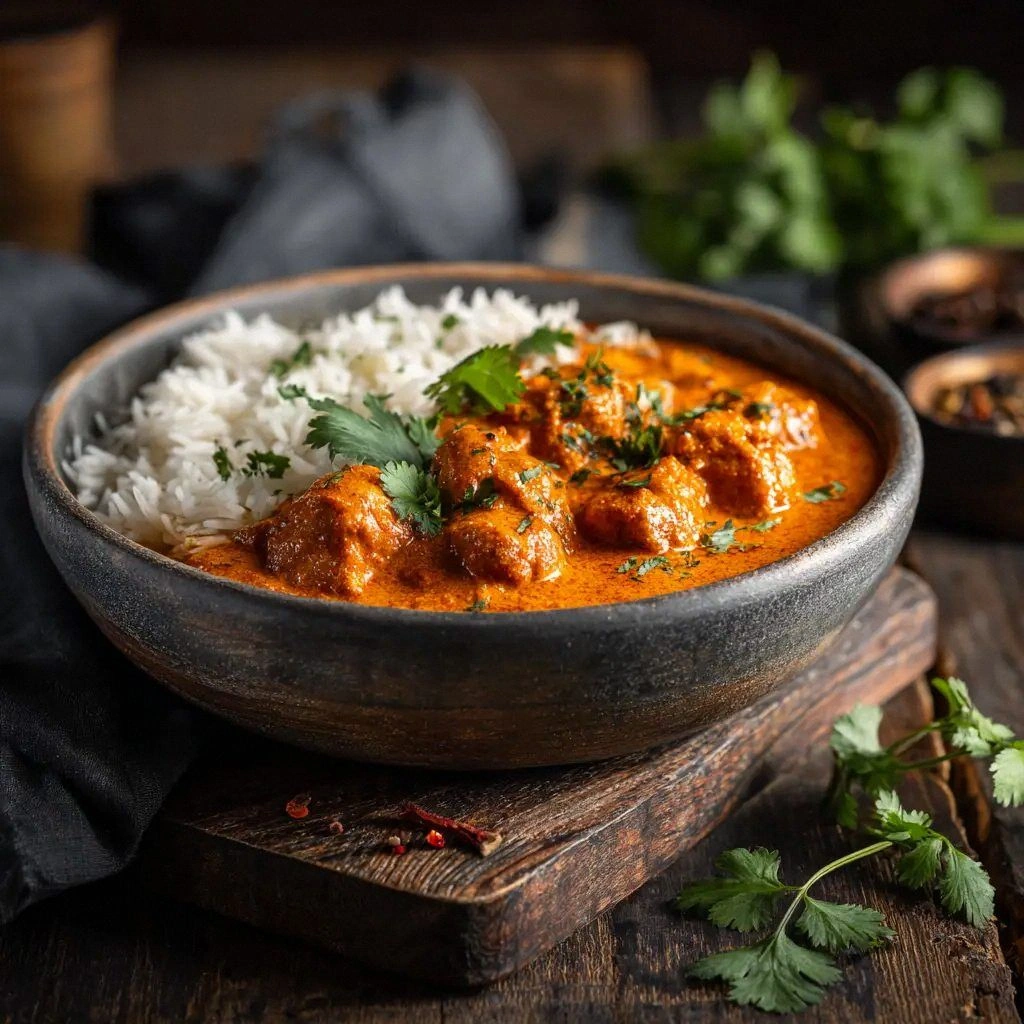
Serve immediately over steamed basmati rice or with warm naan. Garnish with fresh cilantro if desired. The butter chicken should feel luxurious, with each bite coated in a creamy, aromatic sauce that lingers on the tongue.
That's it — you did it. But hold on, I've got a few more tricks that'll take this to another level...
Insider Tricks for Flawless Results
The Temperature Rule Nobody Follows
Cooking the sauce at a low, steady simmer rather than a rolling boil keeps the flavors from becoming bitter. A gentle heat allows the spices to release their oils slowly, creating a richer, more complex taste. I’ve seen people overheat the sauce and end up with a burnt, acrid finish. Keep the flame low, and let the sauce develop its depth over time.
Why Your Nose Knows Best
Before adding the cashew paste, inhale the aroma of the simmering sauce. If it smells like raw onions or under‑cooked tomatoes, give it a few more minutes to develop. The scent is a reliable indicator that the sauce has reached its full flavor potential. Trust your nose; it’s the best chef you can have in the kitchen.
The 5-Minute Rest That Changes Everything
After removing the butter chicken from heat, let it rest for 5 minutes before serving. This resting period allows the flavors to settle, giving the sauce a smoother texture. It also gives the residual heat a chance to finish cooking the chicken gently, preventing it from drying out.
The One-Ingredient Swap That Elevates the Dish
Replace the heavy cream with coconut milk for a dairy‑free version that still delivers a creamy texture. The coconut milk adds a subtle tropical note that pairs beautifully with the spices. It’s a simple swap that opens up the dish for more dietary preferences without compromising flavor.
The Secret to Perfectly Caramelized Onions
Use a cast‑iron skillet for caramelizing onions; it retains heat better and promotes even browning. Keep the heat at medium and stir frequently. When the onions start to brown, add a pinch of sugar to accelerate caramelization without burning.
The Final Touch of Freshness
A squeeze of fresh lemon juice right before serving brightens the sauce and cuts through the richness. It also adds a pop of color and a burst of brightness that makes the dish feel lighter. I always keep a lemon on hand for this final flourish.
Creative Twists and Variations
Spicy Korma Fusion
Swap the Kashmiri chili for a handful of green chilies and add a splash of coconut milk. This gives the dish a tropical, spicy kick that pairs beautifully with grilled shrimp or tofu.
Herb‑Infused Butter Chicken
Add chopped fresh mint and basil during the last five minutes of simmering. The herbs give the sauce a fresh, aromatic lift that brightens the richness of the butter.
Vegan Butter Chicken
Replace the chicken with marinated tofu cubes and use coconut cream instead of heavy cream. The result is a plant‑based version that still feels indulgent and authentic.
Gluten‑Free Naan Pairing
Serve the butter chicken with homemade gluten‑free naan made from almond flour and oat milk. The chewy, slightly sweet naan complements the savory sauce perfectly.
Breakfast Butter Chicken
Add a handful of diced potatoes to the sauce, cooking until tender. Serve over a bed of fluffy scrambled eggs for a hearty, protein‑packed breakfast.
Miso‑Infused Butter Chicken
Stir in a tablespoon of white miso during the final simmer for a savory umami depth. This twist adds an unexpected layer of complexity that elevates the dish.
Storing and Bringing It Back to Life
Fridge Storage
Store the cooked butter chicken in an airtight container for up to 3 days in the refrigerator. The sauce will thicken slightly as it cools, so give it a good stir before reheating. Keep it in the coldest part of the fridge to maintain freshness.
Freezer Friendly
Freeze the butter chicken in portioned containers for up to 2 months. Thaw overnight in the refrigerator, then reheat gently on the stove or in a microwave, stirring frequently. The sauce’s richness will hold up well after freezing.
Best Reheating Method
To reheat, place the butter chicken in a saucepan over low heat. Add a splash of water or broth to loosen the sauce, and stir until heated through. A gentle simmer prevents the sauce from drying out or separating.