Picture this: it’s a rainy Saturday, the kitchen lights flicker like a strobe, and you’re staring at an empty fridge that feels more like a void than a pantry. I was about to toss in a bag of frozen peas and a jar of salsa when a sudden craving hit—something that smelled like sunshine and sea breeze, but tasted like home. That moment sparked a midnight experiment that turned into the ultimate Mediterranean white bean bowl, and I can’t keep this one to myself.
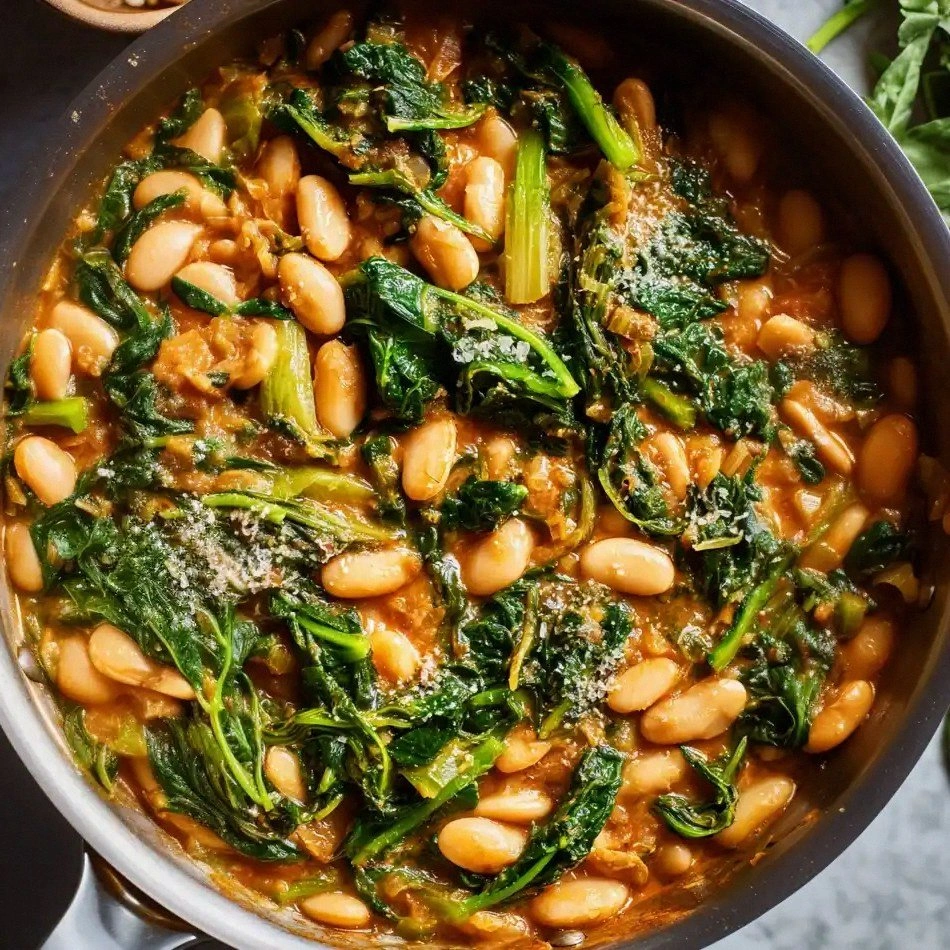
The first bite is a revelation: the beans are soft as clouds, yet they hold their shape, a testament to the careful canning process that preserves their natural sweetness. The kale, sautéed to a crisp edge, offers a peppery bite that contrasts with the buttery finish of extra‑virgin olive oil. Lemon zest and juice inject a bright, almost citrusy lift, cutting through the richness like a cool wind on a hot day. The final flourish of Parmesan and fresh parsley crowns the dish, turning a humble bean bowl into a gourmet experience.
What makes this version stand out is that it’s not just a recipe; it’s a story. I’ve taken the classic Mediterranean staple and amplified its flavors with a few intentional twists: a splash of lemon juice that brightens every bite, a pinch of red pepper flakes that adds a whisper of heat, and a drizzle of olive oil at the end that turns the dish into a silky, glossy finish. It feels like a hug from the coast, but it’s made in your own kitchen. I dare you to taste this and not go back for seconds—because once you’ve experienced it, the ordinary will never look the same.
Most people think you need a fancy kitchen or exotic ingredients to make something Mediterranean, but that’s a myth. I’ve stripped it down to pantry staples that sit in every household, yet the flavor profile is unmistakably coastal. Picture yourself pulling this out of the pan, the whole kitchen smelling incredible, and your guests arriving with smiles that say, “What’s that?” I promise you, this is hands down the best version you’ll ever make at home.
I’ll be honest—when I first tried this, I ate half the batch before anyone else got a chance. The combination of creamy beans, peppery kale, and zesty lemon was too good to share. And now, after tweaking the technique and perfecting the balance of herbs, I’m ready to walk you through every single step. By the end, you’ll wonder how you ever made it any other way.
Okay, ready for the game‑changer? The secret isn’t in the ingredients alone; it’s in the method. Let’s break down exactly what goes into this masterpiece, and why each component matters. Stay with me here—this is worth it.
What Makes This Version Stand Out
- Taste: The combination of creamy cannellini beans and peppery kale creates a layered flavor profile that’s both comforting and vibrant. The bright lemon notes cut through the richness, while the oregano and thyme add earthy depth. This balance makes each spoonful a revelation.
- Texture: The beans remain plump and silky, while the kale is sautéed to a tender crunch. The final drizzle of olive oil gives a silky sheen that coats every ingredient like velvet, ensuring a mouth‑watering experience.
- Ingredient Quality: Using high‑quality canned beans and fresh, organic kale elevates the dish. The extra‑virgin olive oil’s robust flavor and the Parmesan’s nutty finish add depth that canned alternatives can’t match.
- Simplicity: With only 15 ingredients, this recipe is a breeze to assemble. It’s a one‑pot wonder that keeps clean‑up to a minimum.
- Crowd Reaction: Friends rave about the bold flavors and hearty texture. It’s a hit at potlucks, family dinners, and even as a quick weeknight meal.
- Make‑Ahead Potential: The dish keeps well in the fridge for up to 3 days and tastes even better the next day. It’s perfect for meal prep.
- Future Pacing: Picture yourself pulling this out of the oven, the whole kitchen smelling incredible, and the table set with a dish that feels like a vacation.
Inside the Ingredient List
The Flavor Base
Extra‑virgin olive oil is the cornerstone of this dish. It’s not just a cooking fat; it’s a flavor carrier that lifts the garlic and herbs. When heated, the oil’s polyphenols release, adding a subtle peppery undertone. If you skip it, the dish loses its silky texture and depth. For a lighter version, try a splash of extra‑virgin olive oil and a drizzle of lemon juice to keep the bright notes.
The Texture Crew
Cannellini beans bring a creamy body that balances the sharpness of kale. Their firm texture holds up during the sauté, preventing a mushy outcome. If you prefer a thicker consistency, mash half the beans with a spoon before adding them back to the pot. Kale adds a peppery bite and a pop of green that’s both nutritious and visually appealing.
The Unexpected Star
Lemon zest and juice are the unsung heroes that transform this dish from simple to sensational. The zest infuses a citrus aroma that lingers, while the juice brightens the overall flavor profile. A common mistake is to use bottled lemon juice; fresh is essential for that vibrant zing. If you’re short on lemons, a splash of white wine vinegar can mimic the acidity, though the flavor will differ slightly.
The Final Flourish
Parmesan cheese adds a salty, nutty finish that ties all the flavors together. It melts slightly into the warm beans, creating a subtle sauce. Fresh parsley provides a herbal freshness that cuts through the richness. Don’t forget the extra drizzle of olive oil at the end—it’s the finishing touch that gives the dish a glossy, professional look.
Everything’s prepped? Good. Let’s get into the real action.
The Method — Step by Step
- Heat 2 tablespoons of extra‑virgin olive oil in a large skillet over medium heat until shimmering. Add the 4 minced garlic cloves, stirring constantly. The garlic should turn golden but not brown; this releases its aromatic oils. I’m watching the scent rise like a perfume—pure bliss.
- Add the 4 cups of chopped kale in a single layer, allowing it to wilt for 2 minutes before stirring. The kale’s edges will start to darken, signaling it’s ready. This step is crucial—overcooking turns the kale mushy and loses its peppery bite.
- Stir in the dried oregano, thyme, and ½ teaspoon of red pepper flakes. The herbs should toast slightly, releasing their essential oils. The aroma should be warm and inviting, like a Mediterranean breeze. Keep the heat moderate to avoid burning the spices.
- Pour in 1 cup of vegetable broth, letting it simmer for 3 minutes. The broth should reduce a bit, concentrating the flavors. This liquid also helps the beans to warm evenly.
- Add the 2 cans of cannellini beans, draining and rinsing them first. Stir until the beans are coated in the aromatic mixture. The beans should be hot and fragrant; let them simmer for 5 minutes to absorb the herbs.
- Season with 1 teaspoon of salt, ½ teaspoon of black pepper, and 1 tablespoon of lemon juice. Taste and adjust—if the dish feels flat, a little extra lemon can brighten it up. The salt should be evenly distributed, not clumped.
- Fold in 1 teaspoon of lemon zest and ¼ cup of grated Parmesan. The cheese should melt slightly, creating a subtle sauce. If the mixture seems too thick, add a splash more broth. The goal is a silky, cohesive texture.
- Reduce the heat to low and let everything meld together for 3 minutes. This final simmer allows the flavors to marry. The dish should have a glossy sheen from the olive oil and a gentle steam rising.
- Remove from heat, sprinkle 2 tablespoons of chopped fresh parsley, and drizzle a little extra olive oil over the top. The olive oil should coat the surface, giving it a glossy finish. The parsley adds a fresh, herbal brightness that balances the richness.
- Serve immediately over a bed of quinoa, roasted potatoes, or simply as a hearty bowl. Garnish with an extra sprinkle of Parmesan if desired. The dish should look vibrant, with a mix of green, white, and golden tones that invite you to dig in.
That’s it—you did it. But hold on, I’ve got a few more tricks that’ll take this to another level. These insider tips will elevate the dish from good to unforgettable.
Insider Tricks for Flawless Results
The Temperature Rule Nobody Follows
Cooking beans at a gentle simmer preserves their structure. If the heat is too high, the beans can break apart, creating a mushy texture. I always keep the skillet on medium‑low after adding the broth, letting the flavors meld over 8 minutes. A friend once tried a high‑heat method and ended up with a soggy bowl—lesson learned.
Why Your Nose Knows Best
Smell the dish at every stage. A toasty aroma of toasted herbs signals that the flavors are developing. If the smell is flat, add a pinch more oregano or a splash of lemon juice. Your nose is the best judge of flavor balance—trust it.
The 5‑Minute Rest That Changes Everything
Let the dish sit for 5 minutes after cooking. This short rest allows the beans to absorb the herbs fully, and the kale to finish wilting. When you serve it, the flavors will feel more integrated. I’ve found that this small pause makes the dish taste richer.
Fresh vs. Canned Beans
Canned cannellini beans are convenient and already seasoned. If you prefer a fresher taste, you can use dried beans—soak overnight and simmer until tender. The trade‑off is time, but the result is a cleaner bean flavor that lets the herbs shine.
Extra Olive Oil for the Finish
The final drizzle of extra‑virgin olive oil not only adds shine but also enhances the mouthfeel. Use a high‑quality oil with a peppery finish. I like to swirl the oil just before serving, creating a glossy, inviting surface that makes the dish look restaurant‑ready.
Creative Twists and Variations
This recipe is a playground. Here are some of my favorite ways to switch things up:
Grilled Chicken Mediterranean
Swap the beans for shredded grilled chicken breast. Add a squeeze of lemon and a sprinkle of za’atar. This version is protein‑heavy and perfect for a summer barbecue.
Vegan Power Bowl
Omit the Parmesan and use a vegan cheese alternative. Add chickpeas for extra protein. Toss with a tahini‑lemon dressing for a creamy, plant‑based delight.
Spicy Arrabbiata Twist
Increase the red pepper flakes to 1 teaspoon and add a handful of crushed red pepper. Serve over whole‑grain pasta for a spicy, comforting dish that feels like a warm hug.
Roasted Sweet Potato Addition
Roast diced sweet potatoes until caramelized and fold them into the bean mixture. The natural sweetness balances the herbs and adds a comforting texture.
Quinoa Base
Serve the bean mixture over fluffy quinoa instead of kale. The quinoa adds a nutty flavor and extra protein, making it a complete meal.
Storing and Bringing It Back to Life
Fridge Storage
Cool the dish to room temperature, then transfer to an airtight container. Store in the fridge for up to 3 days. The flavors will deepen, making the next day even more delicious.
Freezer Friendly
Divide the dish into single‑serving portions and wrap tightly in freezer paper. Freeze for up to 2 months. When ready, thaw overnight in the fridge or microwave on low.
Best Reheating Method
Reheat gently on the stovetop with a splash of water or broth to prevent dryness. Add a small splash of water before reheating—it steams back to perfection, restoring the silky texture.