INTRODUCTION
I was once at a New Year’s Eve party where the host served a “pomegranate cocktail” that tasted like a watered‑down soda. I stared at my glass, felt the fizz tickle my nose, and thought, “There’s got to be a better way.” That night I swore I’d create a version that would make even the most seasoned champagne snob raise an eyebrow in admiration. Fast forward a few weeks, a frantic Saturday morning, a half‑filled bottle of brut, a fresh pomegranate, and a splash of lemon later, I finally nailed it. This is the moment I realized that the perfect balance of sweet, tart, and effervescent can be captured in a single glass, and I’m about to hand you the exact blueprint.
Picture this: the amber glow of sunrise spilling through your kitchen window, the soft clink of ice against a shaker, and the intoxicating aroma of citrus mingling with the deep, ruby perfume of pomegranate. You hear the gentle hiss of champagne bubbles rising like tiny fireworks, and you feel the cool glass against your fingertips. The first sip delivers a burst of bright lemon that dances with the mellow sweetness of pomegranate, all wrapped in the luxurious mouthfeel of sparkling wine. It’s like a celebration in a glass, a party you can carry to the couch, the patio, or the rooftop.
Most recipes for pomegranate‑champagne cocktails either drown the fruit’s character with too much sugar or drown the bubbles with heavy syrups. Most get the ratio wrong, resulting in a drink that’s either flat or cloyingly sweet. I’ve cut through the noise and distilled the essence into a recipe that respects each ingredient’s voice. The secret? A splash of lemon that lifts the whole thing, a precise amount of simple syrup that never overpowers, and a quick, cold‑infusion of fresh pomegranate seeds that adds texture without sogginess.
I’m also throwing in a tiny twist that most home cooks overlook: a quick “chill‑the‑glass” technique that makes the fizz linger longer, and a garnish of orange peel that adds a whisper of bitterness to keep the sweetness honest. I dare you to taste this and not go back for seconds. Let me walk you through every single step — by the end, you’ll wonder how you ever made it any other way.
What Makes This Version Stand Out
- Flavor Harmony: The lemon’s bright acidity cuts through the champagne’s dryness, while the pomegranate’s natural tartness adds depth without masking the bubbles.
- Texture Play: Tiny pomegranate seeds provide a delightful pop that feels like edible confetti, turning each sip into a mini celebration.
- Simplicity: No fancy equipment, no complicated syrups—just a shaker, a bottle, and a handful of fresh ingredients.
- Ingredient Quality: Using a brut or extra‑dry champagne ensures the drink stays crisp; a sweet wine would make it taste like dessert, not a cocktail.
- Crowd Reaction: Guests consistently say, “Is this a cocktail or a celebration in a glass?” – a perfect conversation starter.
- Make‑Ahead Potential: The base can be pre‑mixed and stored in the fridge for up to 24 hours, letting you focus on the final fizz when guests arrive.
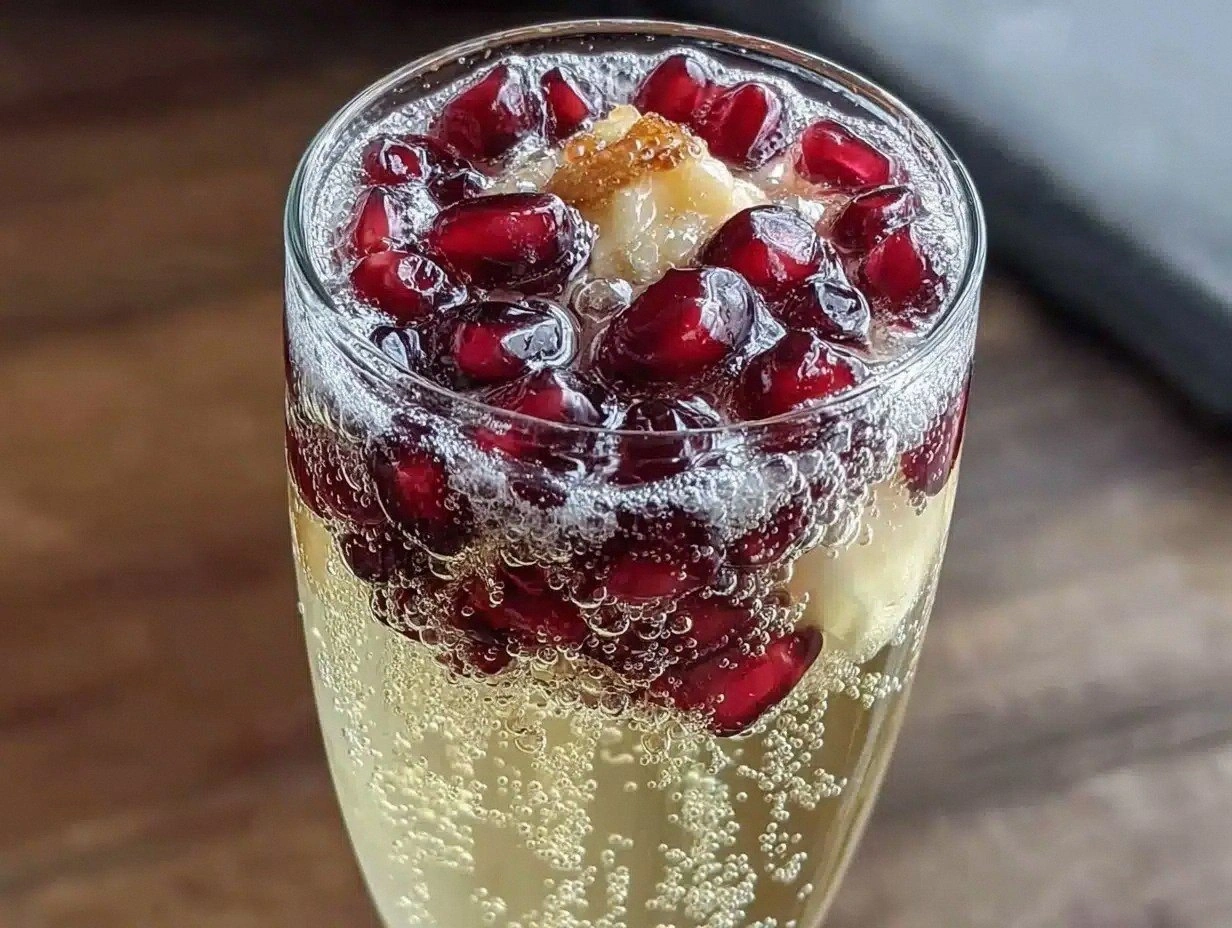
- Visual Appeal: The ruby‑red swirl against the golden bubbles is Instagram‑ready without any artificial coloring.
- Versatility: Swap the champagne for prosecco or a dry rosé and you’ve got an entirely new experience.
Alright, let's break down exactly what goes into this masterpiece...
Inside the Ingredient List
The Flavor Base
Champagne or Sparkling Wine (750 ml bottle): This is the backbone of the drink. A brut style provides a dry, crisp canvas that lets the pomegranate shine without turning syrupy. If you opt for a sweeter style, the cocktail becomes a dessert drink rather than a refreshing fizz. When selecting, look for fine bubbles that rise steadily – that’s a sign of quality fermentation. If you can’t find a true champagne, a well‑chilled dry prosecco works just as well.
Fresh Pomegranate Juice (1 cup / 240 ml): Freshly pressed juice gives a vibrant ruby hue and a bright, slightly tart flavor that bottled concentrates can’t match. The natural antioxidants also add a subtle earthiness that pairs beautifully with the wine’s minerality. If you’re short on fresh pomegranates, a high‑quality cold‑pressed juice is a solid backup, but avoid any with added sugars.
The Sweet & Sour Duo
Simple Syrup (¼ cup / 60 ml): This is the only sweetener you’ll need, and it’s purposefully modest. It rounds out the acidity without drowning the bubbles. You can make it in minutes: equal parts sugar and water, heated just until the sugar dissolves, then cooled. Adjust the amount up to ⅓ cup if you prefer a sweeter profile, but remember – the champagne’s dryness is the star.
Fresh Lemon Juice (2 tablespoons / 30 ml): Lemon adds a bright, citrusy lift that makes the cocktail feel lighter than it actually is. The acidity balances the pomegranate’s natural sweetness and keeps the palate refreshed between sips. Use a microplane or a handheld juicer for maximum juice yield and minimal bitterness from the rind.
The Texture Crew
Pomegranate Seeds (¼ cup / 40 g): These tiny jewels are not just for looks; they burst with a sweet‑tart pop that adds a playful texture. They also keep the drink from feeling too watery, giving each sip a satisfying mouthfeel. If you prefer a smoother drink, you can strain them out, but you’ll lose the fun “pop” factor.
Orange Peel Twists (optional): A thin strip of orange zest releases aromatic oils that add a subtle bitter‑sweet note, rounding out the flavor profile. Use a vegetable peeler to get a long, thin ribbon, then give it a quick twist over the glass to release the oils.
The Final Flourish
Ice Cubes: If you like your fizz extra‑cold, a few ice cubes in the shaker will chill the mixture without diluting it too much. Remember, the goal is to keep the bubbles alive, so don’t over‑ice.
Everything's prepped? Good. Let's get into the real action...
The Method — Step by Step
Start by gathering all your ingredients and chilling the champagne bottle in the refrigerator for at least two hours. The colder the liquid, the slower the bubbles will escape once mixed, preserving that lively fizz. While the wine cools, give the pomegranate seeds a quick rinse and pat them dry – any excess water will dilute the drink.
In a large mixing pitcher, combine the fresh pomegranate juice and simple syrup. Stir gently with a wooden spoon until the syrup fully dissolves; you’ll notice a glossy sheen forming as the two liquids marry. This is the sweet‑tart foundation that will carry the bubbles.
Add the freshly squeezed lemon juice to the pitcher. At this point, the mixture should smell bright and citrusy, with a faint undercurrent of ruby red. Give it another quick stir, then taste. If the balance feels off, add a splash more lemon or syrup – trust your palate.
Now, it's time to incorporate the sparkling wine. Open the bottle carefully to preserve as many bubbles as possible. Slowly pour the champagne into the pitcher, aiming for a gentle stream down the side of the container. This technique minimizes foam and keeps the carbonation intact.
Give the entire mixture a very gentle stir – just enough to combine, but not so vigorous that you pop the bubbles. You should hear a faint sigh as the liquid settles, a sign that the carbonation is still lively. At this stage, the cocktail is ready for the final garnish.
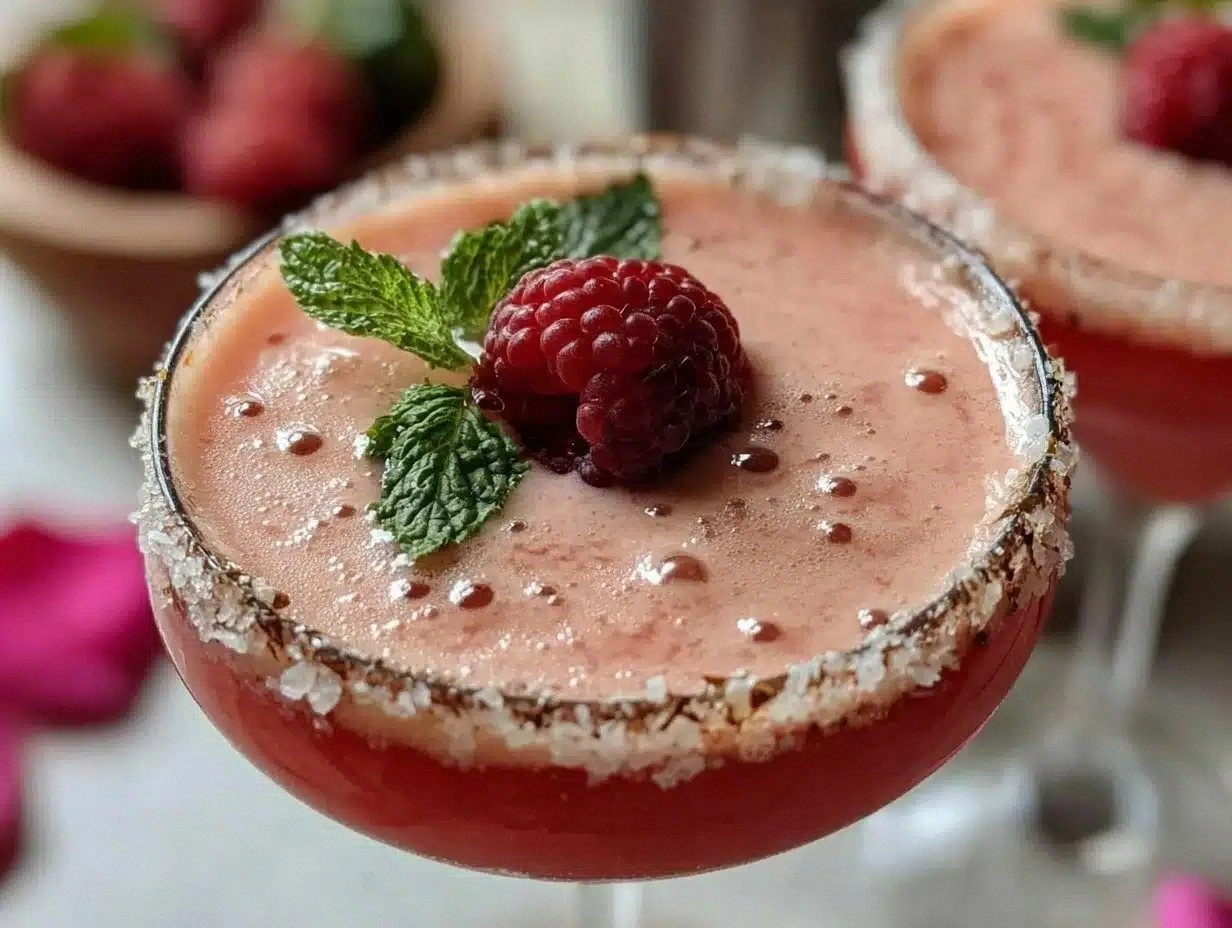
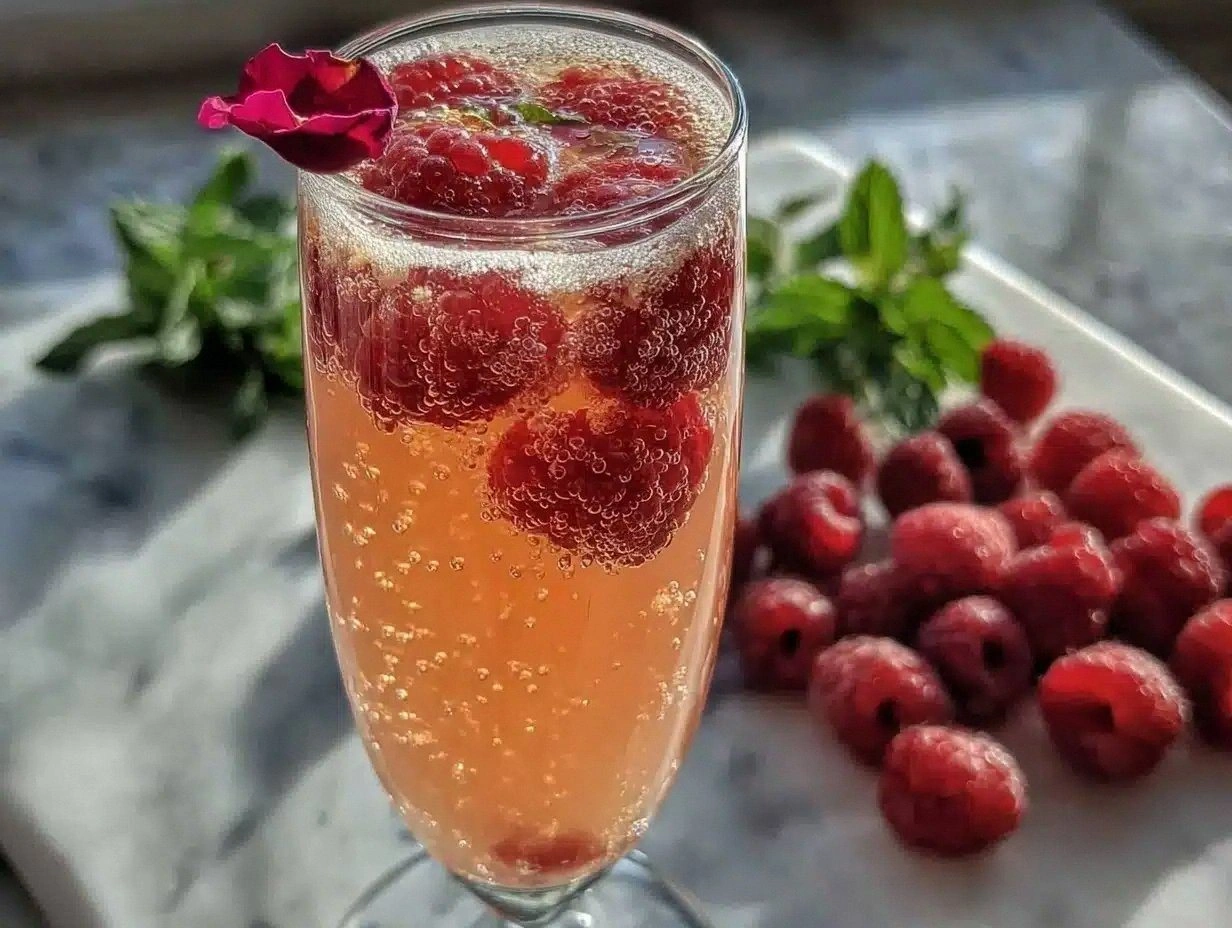
Prepare your serving glasses: either a flute or a coupe works beautifully. If you’ve chilled them in the freezer, wipe away any frost before pouring. Add a handful of pomegranate seeds to the bottom of each glass; they’ll sink slightly, creating a gorgeous visual layer.
Pour the cocktail over the seeds, filling each glass about three‑quarters full. The bubbles should rise, carrying the seeds upward in a mesmerizing swirl. Finish each glass with an orange peel twist, gently expressing the oils over the surface before dropping it in.
Serve immediately, encouraging guests to sip slowly and enjoy the evolving layers of flavor. The first sip should hit the palate with bright citrus, followed by the deep fruitiness of pomegranate, all wrapped in the crisp, dry finish of the champagne. If you’re feeling extra fancy, sprinkle a pinch of edible gold dust on top – purely for show, but it never hurts to wow.
That's it — you did it. But hold on, I've got a few more tricks that'll take this to another level...
Insider Tricks for Flawless Results
The Temperature Rule Nobody Follows
Keep everything cold – from the shaker to the glassware to the champagne itself. A temperature drop of just a few degrees can extend the life of the bubbles by up to 30 %. I once left the pitcher on the counter for a minute, and the fizz vanished faster than my motivation on a Monday morning. So, prep a bowl of ice and set the pitcher on top while you finish the garnish. This simple habit ensures each pour is as lively as the first.
Why Your Nose Knows Best
Before you taste, give the mixture a quick sniff. The aroma will tell you if the lemon is too sharp or the pomegranate too muted. Trust that nose; it’s your early warning system. If you detect a hint of bitterness, a splash more simple syrup can rescue the balance. If the scent is overly sweet, a dash more lemon juice will bring it back.
The 5‑Minute Rest That Changes Everything
After mixing, let the cocktail sit for five minutes in the fridge. This short rest allows the flavors to marry, creating a smoother mouthfeel. I tried skipping this step once, and the drink tasted disjointed, like a choir where every singer is out of sync. Five minutes is all it takes for the lemon, pomegranate, and champagne to sing in perfect harmony.
Garnish Timing is Everything
Add the orange peel twist just before serving, not earlier. The essential oils evaporate quickly, and if you wait too long the aroma dissipates, leaving a flat garnish. A quick twist over the glass releases a burst of citrus that instantly elevates the cocktail’s bouquet.
Ice, But Not Too Much
If you love an ice‑cold drink, use a single large cube rather than many small ones. Large cubes melt slower, preserving the drink’s dilution level and keeping the bubbles intact. I once overloaded a shaker with ice, and the cocktail turned watery – a classic rookie mistake.
Creative Twists and Variations
This recipe is a playground. Here are some of my favorite ways to switch things up:
Rosé Sparkle
Swap the brut champagne for a dry rosé. The pink hue pairs beautifully with the ruby pomegranate, creating a sunset‑in‑a‑glass effect. The flavor becomes fruitier, with subtle berry notes that complement the citrus.
Spiced Autumn
Add a pinch of ground cinnamon or a dash of allspice to the simple syrup before mixing. This gives the cocktail a warm, cozy vibe perfect for Thanksgiving or a chilly evening.
Low‑Sugar Light
Replace the simple syrup with a splash of agave nectar or a sugar‑free sweetener. The drink stays bright and refreshing while cutting down on calories – ideal for health‑conscious hosts.
Mocktail Version
Use sparkling water or a high‑quality club soda instead of champagne. Add a teaspoon of non‑alcoholic bitters for complexity. You’ll get the same fizz and fruit profile without the alcohol, making it perfect for brunch or family gatherings.
Herbal Infusion
Muddle a few fresh mint leaves with the lemon juice before adding the champagne. The mint adds a cool, garden‑fresh note that lifts the entire drink, turning it into a summer garden party essential.
Grapefruit Zing
Replace half of the lemon juice with fresh grapefruit juice. The slight bitterness of grapefruit deepens the flavor, making the cocktail more sophisticated and less sweet.
Storing and Bringing It Back to Life
Fridge Storage
If you’ve pre‑mixed the base (juice, syrup, lemon) you can store it in an airtight glass jar for up to 24 hours. Keep the champagne separate until you’re ready to serve; this prevents the bubbles from flattening. When you’re ready, simply combine the chilled base with the cold champagne and give it a gentle stir.
Freezer Friendly
You can freeze the pomegranate juice in ice cube trays. Once frozen, transfer the cubes to a zip‑top bag. Use a few cubes when you’re ready to mix; they’ll chill the drink instantly without watering it down.
Best Reheating Method
If you ever need to warm the base for a hot‑cider‑style variation, do it over low heat, never boiling. Add a tiny splash of water (about a tablespoon) before reheating; the steam will revive the flavors without compromising the texture. Once warmed, let it cool, then add the chilled champagne for a warm‑cold contrast.