I was standing in my kitchen on a rainy Tuesday, staring at a half‑empty pantry and a stubborn craving for something that could hug me from the inside out. My friend had dared me to make a “real” German goulash that would actually make the snow outside feel like a distant memory, and I thought, “Why not?” The first attempt was a disaster – the beef was tough, the sauce watery, and the whole thing tasted like a bland broth that forgot it was supposed to be a stew. That failure sparked a fire under me, and after a week of trial, error, and a lot of taste‑testing (I’ll be honest — I ate half the batch before anyone else got to try it), I finally nailed a version that is so creamy, so aromatic, and so comforting that it could convince even the most skeptical palate.
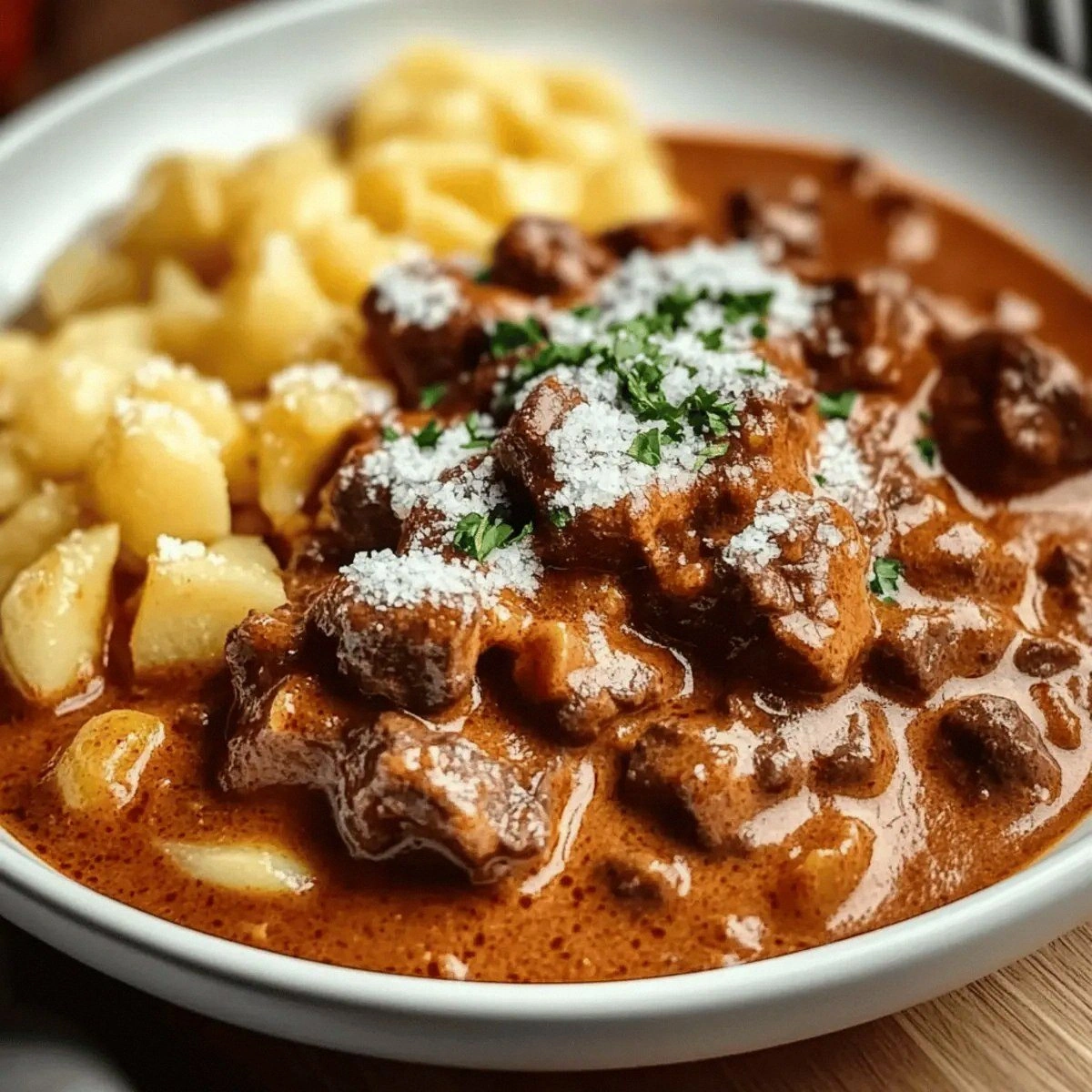
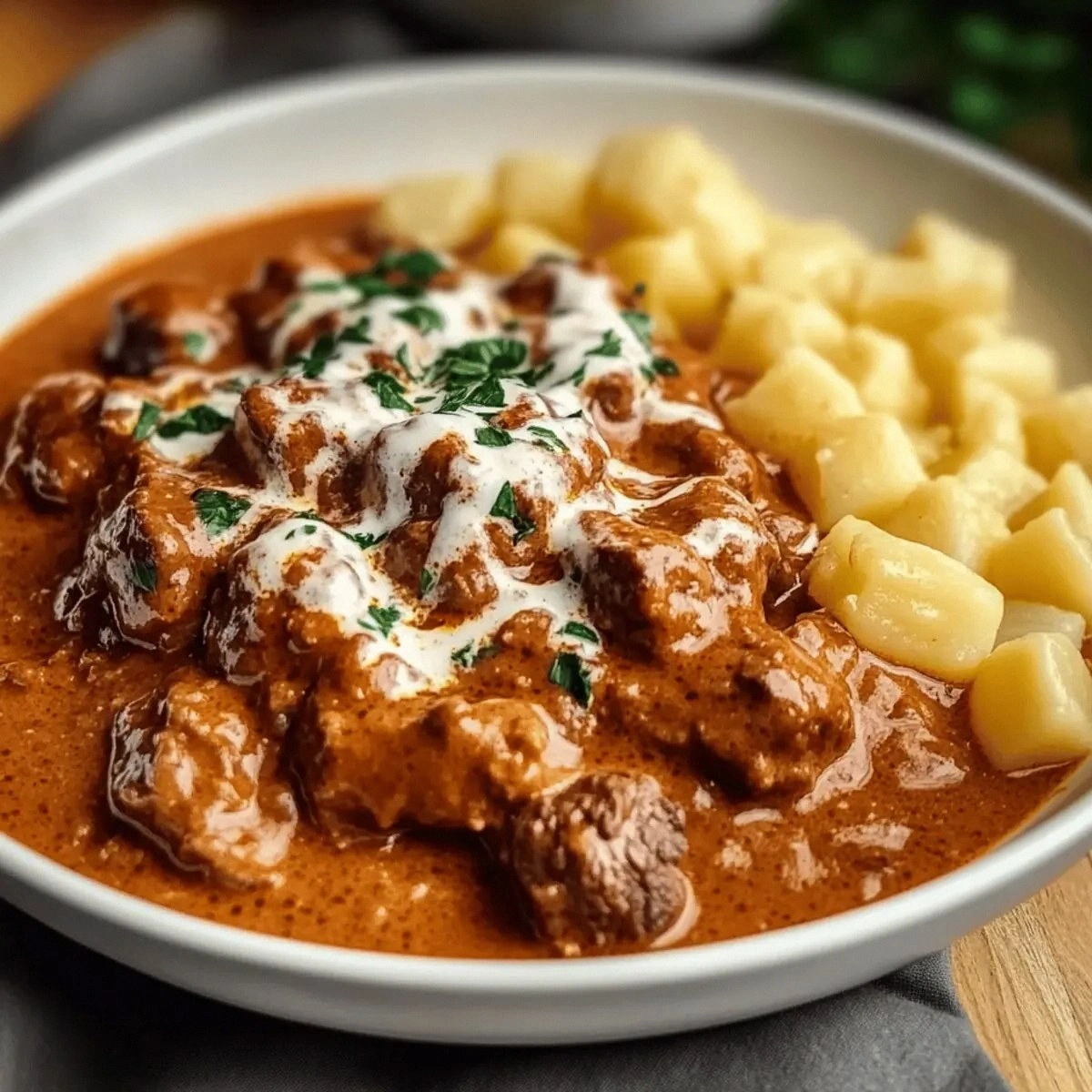
Picture this: the kitchen filled with the deep, smoky perfume of sweet and smoked paprika dancing together, a whisper of caraway that makes you think of old Bavarian markets, and the gentle heat of cayenne that sneaks in like a mischievous secret. The beef, seared to a golden crust, releases juices that mingle with a splash of robust red wine, creating a sauce that coats the potatoes and noodles like velvet. When you finally stir in the sour cream, the whole pot transforms into a silky, buttery river that glistens under the light, inviting you to dive in. The sound of the sauce bubbling gently, the sight of the bright red and yellow peppers adding splashes of color, and the feel of the warm spoon against the bowl all combine into a sensory symphony that makes you want to shout, “I dare you to taste this and not go back for seconds!”
What sets this version apart from the countless goulash recipes floating around the internet? Most recipes get the spice balance completely wrong, either drowning the dish in paprika or leaving it bland and one‑dimensional. I discovered that the secret lies in layering flavors: start with a sweet paprika base, add a smoky punch, finish with a pinch of cayenne for that subtle kick, and then mellow everything with a dollop of sour cream that turns the whole thing into a dream. The addition of fresh parsley right at the end adds a burst of garden‑fresh brightness that cuts through the richness, making each bite feel balanced and alive.
And here’s the kicker: I’m going to reveal a technique that most home cooks skip entirely — the flour‑sour‑cream slurry that thickens the sauce without turning it gummy. This little trick is the game‑changer that gives the goulash its signature creamy texture while keeping the beef melt‑in‑your‑mouth tender. Let me walk you through every single step — by the end, you’ll wonder how you ever made it any other way.
What Makes This Version Stand Out
- Depth of Flavor: The dual paprika blend creates a smoky‑sweet foundation that’s deeper than any single‑spice approach, while the caraway adds an earthy note you didn’t know you were missing.
- Creamy Finish: The sour‑cream‑flour slurry delivers a velvety texture that clings to each noodle or spätzle like a luxurious coat, turning a simple stew into a comfort‑food masterpiece.
- Ingredient Simplicity: You only need pantry staples and a few fresh veggies; no exotic ingredients that make you run to the specialty store.
- Versatile Crowd‑Pleaser: Whether you’re feeding a family, a dinner party, or just yourself on a cold night, this goulash earns applause every single time.
- Make‑Ahead Friendly: The flavors deepen after a night in the fridge, and reheating is a breeze, making it perfect for meal prep.
- Budget‑Friendly: Beef chuck, potatoes, and a few spices stretch far, feeding four people for less than the cost of a take‑out pizza.
- Authentic Yet Modern: It respects traditional German roots while embracing a creamy twist that feels contemporary and indulgent.
- Quick Turnaround: From chopping to plating, you’re looking at under an hour, which is practically lightning for a dish that feels like a slow‑cooked masterpiece.
Inside the Ingredient List
The Flavor Base
The two onions, chopped fine, are the aromatic backbone. As they soften, they release natural sugars that caramelize just enough to add a subtle sweetness, balancing the heat from the cayenne. If you’re missing onions, you can swap in shallots for a milder, more delicate flavor, but the classic onion is non‑negotiable for that deep, comforting base. The garlic, minced, should be added just before the tomato paste so it doesn’t burn; its pungent aroma will lift the entire pot, making the sauce feel alive.
Fun Fact: Paprika originated in Central America but found its soul in Hungary and Germany, where it became the signature spice of goulash. The sweet variety adds color and mild flavor, while smoked paprika brings that campfire whisper you love.
The Texture Crew
Beef chuck, cut into bite‑size cubes, is the star of the show. Its marbling ensures that as it braises, the connective tissue breaks down into gelatin, giving the sauce a luxurious body. When buying, look for a piece with visible streaks of fat – that’s the flavor engine. If chuck isn’t available, a well‑marbled short rib can stand in, but the cooking time will need a slight adjustment.
The potatoes, peeled and cubed, are more than just filler. They absorb the broth, becoming tender pockets of flavor that release starch, naturally thickening the sauce. For a twist, try using sweet potatoes for a hint of caramel, but be aware they’ll add a subtle sweetness that could shift the balance.
The Unexpected Star
Sour cream is the secret weapon that turns a regular goulash into a creamy wonder. It’s added at the very end, off the heat, to prevent curdling and to keep that silkiness intact. If you’re dairy‑free, substitute with a blend of coconut cream and a splash of lemon juice; you’ll get the same richness with a faint tropical note.
Red and yellow bell peppers bring bright color and a crisp bite that contrasts the tender beef. Their natural sugars also caramelize slightly, adding a whisper of sweetness that complements the smoky paprika.
The Final Flourish
Caraway seeds and marjoram are the subtle herbs that give the dish its Germanic soul. Caraway’s nutty, anise‑like flavor is often found in rye breads and sauerkraut, while marjorum adds a floral, slightly citrusy lift. Use them sparingly; a little goes a long way, and you’ll notice the difference immediately.
Everything's prepped? Good. Let’s get into the real action…
The Method — Step by Step
Heat the olive oil in a large Dutch oven over medium‑high heat until it shimmers. Toss in the beef chuck cubes, making sure not to overcrowd the pot; you’ll hear a satisfying sizzle that signals a proper sear. Let the meat brown on all sides, about 4‑5 minutes per batch, then remove with a slotted spoon and set aside. This step is crucial because the browned bits (fond) will later become the flavor foundation of the sauce.
Kitchen Hack: Pat the beef dry with paper towels before searing – moisture is the enemy of a good crust.In the same pot, add the chopped onions and a pinch of salt. Cook, stirring occasionally, until they turn translucent and start to caramelize, about 6‑8 minutes. The onions should develop a deep golden hue and a sweet fragrance that fills the kitchen, a sign you’re building a solid flavor base.
Add the minced garlic and cook for just 30 seconds, watching closely so it doesn’t burn. Then stir in the sweet paprika, smoked paprika, caraway seeds, marjoram, and cayenne pepper. The mixture will darken slightly and release an intoxicating aroma – that’s the moment where the magic begins.
Watch Out: If the spices start to stick or smell burnt, lower the heat immediately; you’ll otherwise end up with a bitter undertone.Stir in the tomato paste, letting it caramelize for about 2 minutes. This step deepens the umami and adds a subtle sweetness that balances the paprika’s earthiness. Next, deglaze the pot with the dry red wine, scraping up every browned bit from the bottom. Let the wine reduce by half, which should take about 3‑4 minutes, concentrating its flavor and adding a gentle acidity.
Return the browned beef to the pot, followed by the beef broth, diced tomatoes (with their juices), and the cubed potatoes. Bring the mixture to a gentle boil, then reduce the heat to low, covering the pot partially. Let it simmer for 25‑30 minutes, or until the beef is fork‑tender and the potatoes are soft. You’ll notice the sauce thickening naturally as the starch from the potatoes leaches out.
While the stew simmers, prepare the bell peppers. Toss the chopped red and yellow peppers into a hot skillet with a drizzle of olive oil, sautéing just until they soften and develop a slight char – about 4 minutes. This quick sear preserves their crunch while adding a smoky edge that mirrors the smoked paprika.
In a small bowl, whisk together the all‑purpose flour with a few tablespoons of the hot goulash broth to form a smooth slurry. This prevents lumps when you incorporate it back into the pot. Stir the slurry into the simmering stew, then let it cook for another 5 minutes. The sauce will become glossy and coat the back of a spoon, indicating perfect thickening.
Kitchen Hack: Use a whisk for the flour‑broth slurry; it guarantees a lump‑free finish.Turn off the heat and let the pot sit for a minute to cool slightly – this is crucial for the next step. Gently fold in the sour cream, ensuring it’s fully incorporated without curdling. The sauce will instantly turn a richer, creamier shade, and the aroma will shift to a comforting, buttery note that makes you want to hug the pot.
Finally, stir in the sautéed bell peppers and a generous handful of chopped fresh parsley. Season with salt and freshly cracked black pepper to taste. Give everything a final gentle stir, then serve the goulash over butter‑tossed noodles or traditional spätzle. The noodles will soak up the sauce, each strand glistening like a pearl in a sea of flavor. Picture yourself pulling this out of the pot, the whole kitchen smelling incredible, and the first bite melting on your tongue – pure bliss.
That’s it — you did it. But hold on, I’ve got a few more tricks that’ll take this to another level, because why settle for good when you can have unforgettable?
Insider Tricks for Flawless Results
The Temperature Rule Nobody Follows
Never rush the searing step by cranking the heat to the max. A moderate medium‑high flame gives the beef time to develop a deep crust without scorching the exterior. If the pan is too hot, the meat will burn on the outside while staying raw inside, ruining texture. I once tried a “quick sear” and ended up with a chewy mess – lesson learned. Keep the temperature steady, and you’ll get that perfect caramelized layer that locks in juices.
Why Your Nose Knows Best
Your sense of smell is the ultimate doneness gauge. When the onions turn golden and the paprika releases its fragrance, you’ll know the flavor base is ready. Later, as the wine reduces, the kitchen will fill with a sweet‑tangy scent that tells you the alcohol has evaporated and the acidity is balanced. Trust those aromatic cues more than a timer; they’re the secret language of great cooking.
The 5‑Minute Rest That Changes Everything
After you’ve folded in the sour cream, let the goulash rest, covered, for five minutes off the heat. This short pause allows the flavors to meld, the starches to settle, and the sauce to thicken just a touch more. Skipping this step can leave the dish feeling a little disjointed, as if the components haven’t fully introduced themselves. It’s a tiny patience exercise that pays off in a more harmonious bite.
The Flour‑Sour‑Cream Slurry Secret
Most home cooks either skip thickening altogether or dump flour straight into the pot, creating lumps. My method—mixing flour with a ladle of hot broth first—creates a silky slurry that integrates flawlessly. The result is a sauce that clings to noodles like a silk scarf, never grainy, never watery. This hack is the reason the dish feels restaurant‑quality without any fancy equipment.
Seasoning at the End
A pinch of salt at the very end, right before serving, brightens the entire dish. It’s like turning on a light switch; the flavors suddenly pop, and the richness of the sour cream becomes more pronounced. Over‑seasoning early can mask the subtle herb notes, so wait until the final stir to adjust. Taste, then tweak – that’s the chef’s mantra.
The Pasta Pairing Playbook
While spätzle is traditional, any sturdy noodle works. I love egg‑noodles because they hold the sauce like a sponge, but for a low‑carb twist, try zucchini ribbons. The key is to choose a vehicle that won’t dissolve into the sauce; you want each bite to have a distinct texture contrast. Experiment, but always finish the noodles in the sauce for that final coating moment.
Creative Twists and Variations
This recipe is a playground. Here are some of my favorite ways to switch things up:
Smoky Chipotle Goulash
Swap the smoked paprika for chipotle powder and add a teaspoon of adobo sauce from a canned chipotle pepper. The result is a deeper, smoky heat that pairs beautifully with the sour cream, turning the dish into a Tex‑German fusion that will wow spice lovers.
Mushroom‑Heavy Autumn Version
Add a cup of sliced cremini or shiitake mushrooms when you sauté the onions. Their earthy umami deepens the broth, making the goulash perfect for fall evenings when you crave forest‑floor flavors.
White Wine & Herb Light
Replace the dry red wine with a dry white wine and double the fresh thyme. This creates a lighter, brighter profile while retaining the creamy texture, ideal for a spring dinner when you want something less heavy.
Vegan Comfort Goulash
Swap the beef chuck for hearty seitan or cubed tempeh, use vegetable broth instead of beef broth, and replace sour cream with a cashew‑based cream. The spices remain the same, delivering that classic flavor without any animal products.
Cheesy Bavarian Twist
Stir in a half‑cup of grated Emmental or Gruyère during the final minute of cooking. The cheese melts into the sauce, adding a nutty richness that elevates the dish to a decadent, cheesy comfort food.
Storing and Bringing It Back to Life
Fridge Storage
Allow the goulash to cool to room temperature, then transfer it to an airtight container. It will keep fresh for up to four days. When reheating, add a splash of beef broth or water to loosen the sauce, then warm gently over low heat, stirring occasionally.
Freezer Friendly
Portion the cooled goulash into freezer‑safe bags or containers, leaving a little headspace for expansion. It freezes beautifully for up to three months. Thaw overnight in the fridge, then reheat on the stove with a tablespoon of broth to revive the creamy consistency.
Best Reheating Method
The secret to a perfect reheated bowl is gentle heat. Use a low simmer on the stovetop, stirring constantly, and add a teaspoon of water or broth every few minutes. This steam‑infused approach restores the sauce’s silkiness without turning it grainy.