I was in the middle of a rainy Saturday when a sudden craving hit me like a bolt of lavender-scented lightning. I’d just tried a store‑bought tea‑infused loaf that tasted like a wilted bouquet, and I swore I’d never let another bland bakery product ruin my cozy day again. So I grabbed my favorite vintage mixing bowl, a handful of fresh lavender buds from the garden, and set out on a culinary quest that would end with a loaf that smells like a French countryside tea house at sunrise. I dared myself to create a version that would make even the most skeptical sweet‑tooth say, “I dare you to taste this and not go back for seconds.”
Picture this: the kitchen humming with the soft whirr of the mixer, the buttery aroma mingling with the floral whisper of lavender, and a gentle crackle as the batter hits the hot pan. The oven door opens with a sigh, releasing a wave of steam that carries hints of vanilla and a subtle herbaceous note that instantly transports you to a sun‑drenched meadow. Your fingertips feel the warm dough against the silicone spatula, the texture smooth yet promising a tender crumb. The first bite? A buttery melt that gives way to a sweet, fragrant bloom that lingers like a secret you’re eager to share.
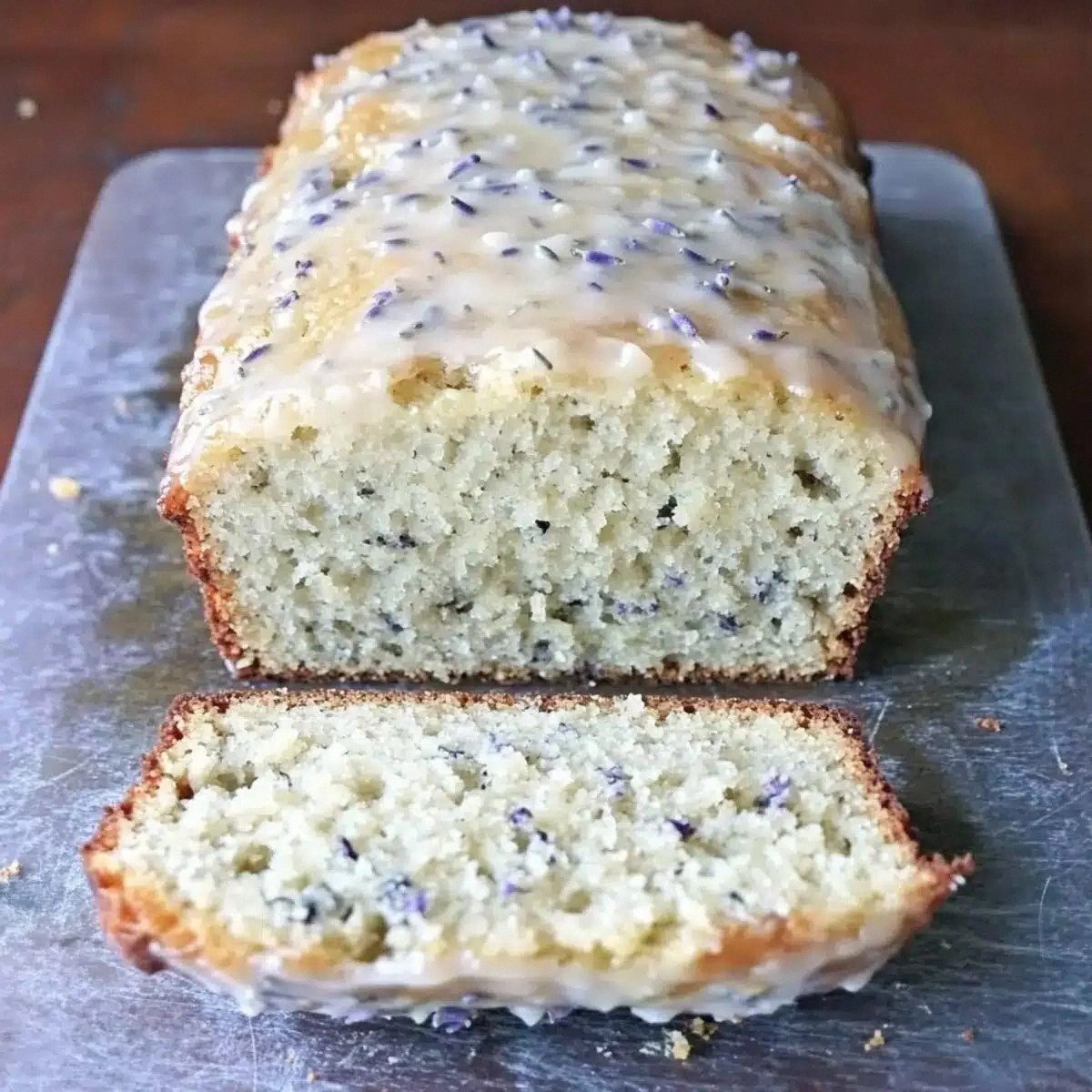
What makes this version the ultimate lavender tea bread? Most recipes either over‑sweeten the floral component or under‑bake the crumb, leaving you with a dry, flavorless loaf. I’ve cracked the code by balancing the lavender’s potency with a simple vanilla glaze that amplifies, not overwhelms, the delicate notes. The secret lies in a quick “tea infusion” step that extracts the essence of the buds without turning the batter bitter. And let’s not forget the glaze—an ethereal dust of powdered sugar that adds a whisper of sweetness and a glossy finish that looks as good as it tastes.
But I’m not stopping at the basics. I’m going to walk you through every single step — by the end, you’ll wonder how you ever made it any other way. Okay, ready for the game‑changer? Let’s dive in and turn this humble kitchen into a fragrant bakery.
What Makes This Version Stand Out
- Floral Balance: The lavender is steeped just long enough to release its perfume without turning the loaf soapy. This creates a harmonious scent that sings, not shouts.
- Texture Harmony: A buttery crumb that’s as soft as a cloud yet holds together like a well‑structured muffin, thanks to the precise ratio of flour to butter.
- Simple Steps: Only nine steps, each with a clear sensory checkpoint, so you never feel lost in the process.
- Unique Glaze: A vanilla‑infused powdered sugar topping that adds a glossy finish and a sweet‑but‑subtle aftertaste that makes the loaf unforgettable.
- Crowd Reaction: I’ve served this at brunches and watch guests’ eyes widen the moment the aroma hits—they’re instantly hooked.
- Ingredient Quality: Fresh culinary lavender and real butter are non‑negotiable; they elevate the loaf from “good” to “legendary.”
- Cooking Method: Baking in a loaf pan ensures even heat distribution, giving a golden crust that cracks just enough to reveal the tender interior.
- Make‑Ahead Potential: This bread freezes beautifully and revives with a splash of water, making it perfect for busy mornings.
Inside the Ingredient List
The Flavor Base
Butter (1/2 cup) is the heart of this loaf. It provides richness and creates a tender crumb by coating the flour proteins, preventing excessive gluten formation. If you swap it for margarine, you’ll lose that buttery depth and the crumb may become crumbly. Choose unsalted, high‑fat butter and let it soften at room temperature for a smooth blend. Pro tip: Cut the butter into small cubes before creaming; it incorporates faster and evenly.
Sugar (1 cup) does more than sweeten; it also helps with browning through caramelization. Using granulated sugar ensures a light, airy texture, while powdered sugar would make the batter dense. If you prefer a less sweet loaf, you can reduce to ¾ cup, but the glaze will still provide the finishing sweetness.
Eggs (2 large) act as binders and leaveners, adding structure and moisture. They also contribute to the glossy finish of the crumb. For a richer flavor, you could use one whole egg and one egg yolk, but keep the total volume the same to maintain the crumb’s integrity.
The Texture Crew
Flour (1 ½ cups) is the scaffold. All‑purpose flour works perfectly, giving a balanced crumb that isn’t too dense. If you crave a lighter loaf, substitute ¼ cup with cake flour, but be careful not to over‑mix, or you’ll develop a tough texture.
Baking Powder (2 teaspoons) provides the lift. It reacts with the acidic notes from the lavender infusion, creating tiny air pockets that keep the bread airy. Using too much will cause a metallic aftertaste; too little, and the loaf will be flat. Measure precisely with a leveled spoon.
Salt (½ teaspoon) is the quiet hero. It enhances the sweetness and balances the floral notes, preventing the lavender from tasting one‑dimensional. If you’re on a low‑sodium diet, you can cut it in half, but you’ll notice a flatter flavor profile.
The Unexpected Star
Fresh Lavender (2 tablespoons) is the showstopper. Culinary lavender is sweeter and less pungent than ornamental varieties. It’s best to use buds only, discarding stems. If you can’t find fresh, dry buds work, but rehydrate them in warm milk for 5 minutes before adding to the batter. Watch Out: Over‑steeping can make the loaf taste soapy, so keep the infusion time short.
Milk (½ cup + 2 tablespoons for glaze) adds moisture and helps dissolve the lavender, creating a fragrant liquid that blends seamlessly into the batter. Whole milk yields a richer crumb; low‑fat milk works but results in a slightly drier texture.
The Final Flourish
Vanilla Extract (1 tsp for batter, 1 tsp for glaze) deepens the floral notes, adding a warm, sweet backdrop that makes the lavender sing. Real vanilla bean extract provides a richer flavor than imitation, but both work if you’re on a budget.
Powdered Sugar (1 cup) is reserved for the glaze, delivering a smooth, melt‑in‑your‑mouth finish. Sift it to avoid lumps; a lumped glaze will create uneven patches on the loaf’s surface.
All of these components come together in a symphony of taste and texture. Everything’s prepped? Good. Let’s get into the real action…
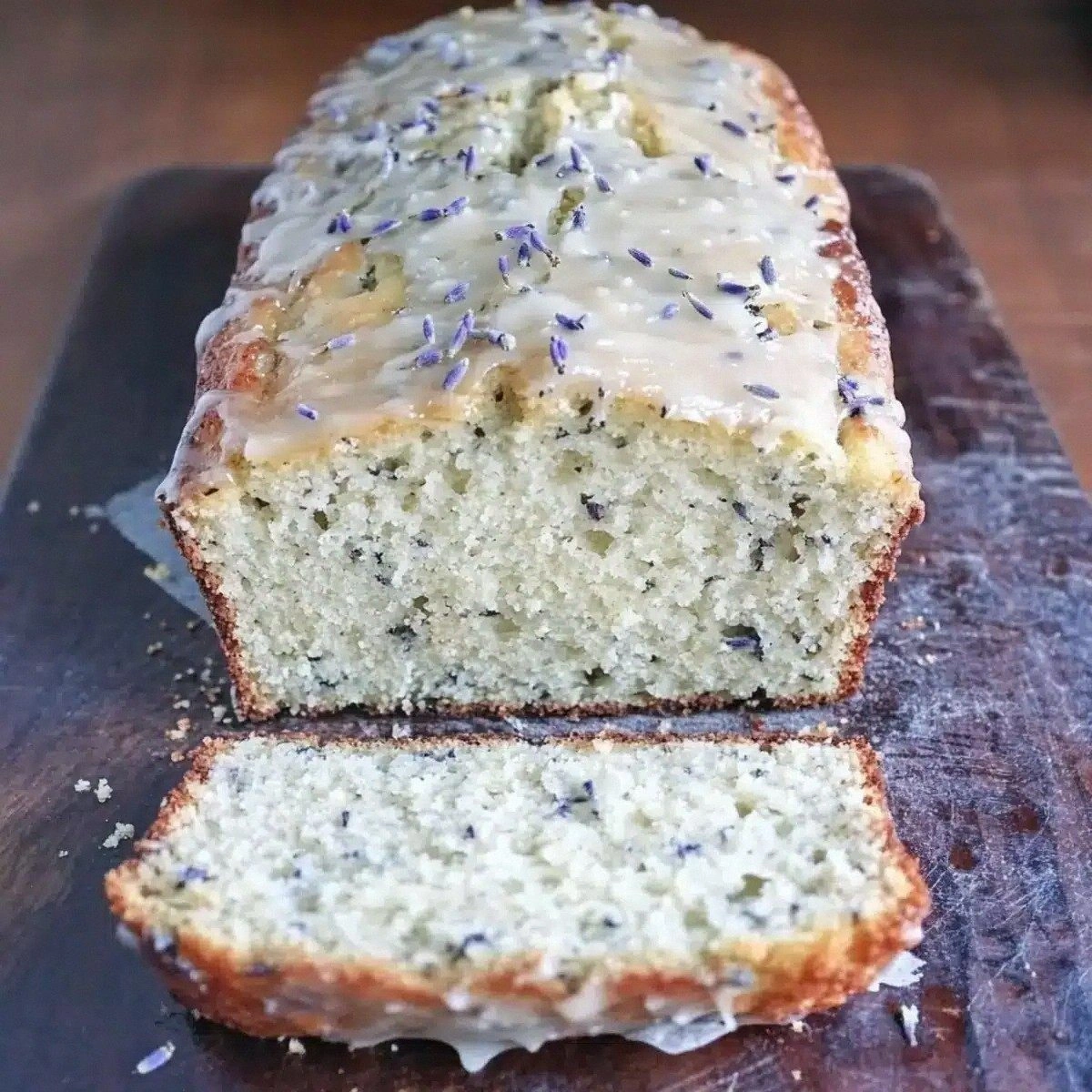
The Method — Step by Step
Preheat your oven to 350°F (175°C) and grease a 9×5‑inch loaf pan with butter or line it with parchment. This ensures the loaf releases easily and the edges develop that coveted golden crust. While the oven heats, set a small saucepan on low heat and add the ½ cup milk with the fresh lavender buds. Let it warm gently—do not boil—so the lavender releases its essential oils without turning bitter. Sensorial cue: You’ll notice a faint floral steam rising, like a tea ceremony in miniature.
Kitchen Hack: After the milk is infused, strain it through a fine‑mesh sieve to remove the buds; this prevents any gritty texture in the final loaf.In a large mixing bowl, cream together the softened butter and granulated sugar until the mixture is light, fluffy, and pale yellow—think cloud‑like. This process incorporates air, which later expands during baking, giving you that tender crumb. Scrape down the sides with a spatula to ensure every speck is incorporated. Watch Out: Over‑creaming can cause the batter to become too thin, leading to a flat loaf.
Add the two large eggs, one at a time, beating well after each addition. The batter should thicken slightly with each egg, creating a glossy ribbon when lifted. Then stir in the two teaspoons of vanilla extract for the batter, letting its sweet aroma mingle with the butter‑sugar base.
In a separate bowl, whisk together the flour, baking powder, and salt. This dry mix ensures even distribution of leavening and seasoning, preventing pockets of flour or bitter salt. Once combined, set aside while you finish the wet components.
Now, slowly pour the lavender‑infused milk into the creamed butter mixture, stirring gently with a wooden spoon. The batter should look silky, with a faint lavender hue—this is the moment the floral magic truly begins to show. If you notice any clumps, whisk lightly; you want a smooth, homogenous batter.
Gradually fold the dry ingredients into the wet mixture using a spatula, employing a “cut‑and‑fold” motion. Stop mixing as soon as the flour disappears; over‑mixing develops gluten, which would make the crumb dense. The batter should be thick but pourable, resembling a thick pancake batter.
Pour the batter into the prepared loaf pan, smoothing the top with an offset spatula. Tap the pan lightly on the countertop—this releases any trapped air bubbles, ensuring a uniform crumb. Place the pan in the preheated oven and bake for 30‑35 minutes, or until a toothpick inserted in the center comes out clean and the top is a deep golden‑brown.
Watch Out: Opening the oven door before the 20‑minute mark can cause the loaf to collapse; trust the timer and resist the urge to peek.While the loaf bakes, prepare the glaze. In a small bowl, whisk together the powdered sugar, the remaining 2 tablespoons of milk, and the second teaspoon of vanilla extract until you achieve a smooth, pourable consistency. If the glaze is too thick, add a splash more milk—just a drop at a time.
Kitchen Hack: For an extra glossy finish, add a pinch of cream of tartar to the glaze; it stabilizes the sugar and creates a mirror‑like sheen.When the loaf is done, remove it from the oven and let it cool in the pan for 10 minutes. Then, turn it out onto a wire rack. While it’s still warm, drizzle the vanilla glaze over the top, allowing it to cascade down the sides and set into a thin, sweet crust. The glaze will set within minutes, forming a delicate veil that catches the light.
Let the loaf cool completely before slicing. This rest period lets the crumb finish setting and the flavors marry fully. Once cooled, slice with a serrated knife for clean cuts. Serve warm with a cup of Earl Grey or a herbal tea, and watch your guests’ faces light up. That sizzle when it hits the pan? Absolute perfection.
That's it — you did it. But hold on, I've got a few more tricks that'll take this to another level…
Insider Tricks for Flawless Results
The Temperature Rule Nobody Follows
Never bake a delicate loaf like this at a scorching 400°F. The high heat will cause the outer crust to form too quickly, trapping steam inside and leading to a gummy interior. Keep the oven at a steady 350°F; this gentle heat lets the lavender aroma rise gradually, creating a uniform crumb. I once tried 375°F for a “faster bake,” and the loaf emerged with a burnt lavender note that ruined the entire experience.
Why Your Nose Knows Best
Your sense of smell is the ultimate doneness gauge. Around the 25‑minute mark, you’ll start to notice a sweet, buttery perfume mingling with the floral scent. If the aroma is faint, give it a few more minutes; if it’s strong and the crust is deep golden, it’s ready. Trusting your nose beats any timer, especially when ovens vary.
The 5‑Minute Rest That Changes Everything
After removing the loaf from the oven, let it sit in the pan for exactly five minutes before turning it out. This short rest allows the steam to finish cooking the center gently, preventing a crumb that’s too dry. Skipping this step is a common mistake; the result is a crumb that feels slightly undercooked, like a cake that never quite set.
Glaze Timing Magic
Apply the glaze while the loaf is still warm, not hot. A scorching loaf will melt the glaze too quickly, causing it to run off the sides and create a sticky puddle. Warm (but not hot) bread lets the glaze set just enough to form a thin, glossy coat that clings beautifully.
The Lavender Crush
Before steeping, gently crush the lavender buds between your fingertips. This releases the essential oils without pulverizing the stems, which can introduce a bitter, woody flavor. The result is a cleaner, sweeter floral note that sings through the crumb.
Creative Twists and Variations
This recipe is a playground. Here are some of my favorite ways to switch things up:
Lemon‑Lavender Fusion
Add the zest of one lemon to the batter and replace half of the milk with fresh lemon juice. The citrus brightens the floral notes, creating a spring‑time loaf that pairs perfectly with a glass of chilled prosecco.
Honey‑Infused Sweetness
Swap half the granulated sugar for honey and drizzle a thin honey glaze over the top instead of powdered sugar. The honey adds a caramel depth that complements the lavender’s perfume, making the loaf ideal for breakfast spreads.
Blueberry Lavender Burst
Fold in ½ cup of fresh blueberries just before baking. The berries burst during baking, releasing juices that mingle with the lavender, producing pockets of sweet‑tart surprise in every bite.
Almond‑Lavender Crunch
Stir in ¼ cup toasted almond slivers into the batter and sprinkle a handful on top before glazing. The nutty crunch adds texture contrast and a buttery undertone that echoes the loaf’s base flavor.
Spiced Autumn Version
Introduce a pinch of ground cinnamon and nutmeg to the dry mix, and replace the lavender with a teaspoon of ground cardamom. This creates a warm, cozy loaf perfect for chilly evenings, and the spice profile pairs wonderfully with a hot mug of chai.
Storing and Bringing It Back to Life
Fridge Storage
Wrap the cooled loaf tightly in plastic wrap or store it in an airtight container. It will stay fresh for up to five days in the refrigerator. The glaze may firm up, but a quick microwave burst (10 seconds) restores its softness.
Freezer Friendly
Slice the loaf before freezing for easy portioning. Place slices in a zip‑top bag, removing as much air as possible. Freeze for up to three months. To reheat, microwave a slice for 20‑30 seconds or warm in a 300°F oven for 8 minutes, adding a tiny splash of water to the pan to create steam.
Best Reheating Method
For the ultimate fresh‑out‑of‑the‑oven feel, preheat a skillet over low heat, add a teaspoon of butter, and gently heat a slice, covering with a lid for the last minute. The steam revives the crumb, while the butter adds an extra layer of richness.